Custom Orthotics for Plantar Fasciitis: How They Help and What to Expect
Plantar fasciitis is one of the most common reasons people seek foot pain relief, and one of the most frustrating. That sharp, stabbing sensation in the heel during your first steps of the morning is hard to ignore. If you've been researching whether custom orthotics really work, plantar fasciitis is a great place to start, because it's the condition for which orthotics are most frequently recommended. In this post, we'll break down what plantar fasciitis actually is, how custom orthotics address its root causes, what you can realistically expect from treatment, and how orthotics work alongside chiropractic care and other therapies for a more complete approach to recovery.
What Is Plantar Fasciitis and Why Does It Keep Coming Back?
The plantar fascia is a thick band of connective tissue that runs along the bottom of your foot, connecting your heel bone to the base of your toes. It acts like a shock-absorbing bowstring, supporting your arch with every step you take. When that tissue becomes overloaded or repeatedly stressed, small tears develop, leading to inflammation and pain: that's plantar fasciitis.
Research suggests plantar fasciitis accounts for roughly 15% of all foot complaints that require professional care. It affects an estimated 2 million Americans each year. While it can happen to anyone, certain patterns make it more likely:
- Flat feet or high arches that alter how weight is distributed across the foot
- Overpronation, where the foot rolls inward excessively with each step
- Tight calf muscles or a shortened Achilles tendon
- Spending long hours on hard surfaces, especially without adequate footwear
- A sudden increase in activity level or mileage
The reason plantar fasciitis tends to linger or return is that most people treat the symptom, the heel pain, without addressing the underlying biomechanical pattern that caused the strain in the first place. That's where custom orthotics for plantar fasciitis become genuinely useful.
How Custom Orthotics Address the Root Cause
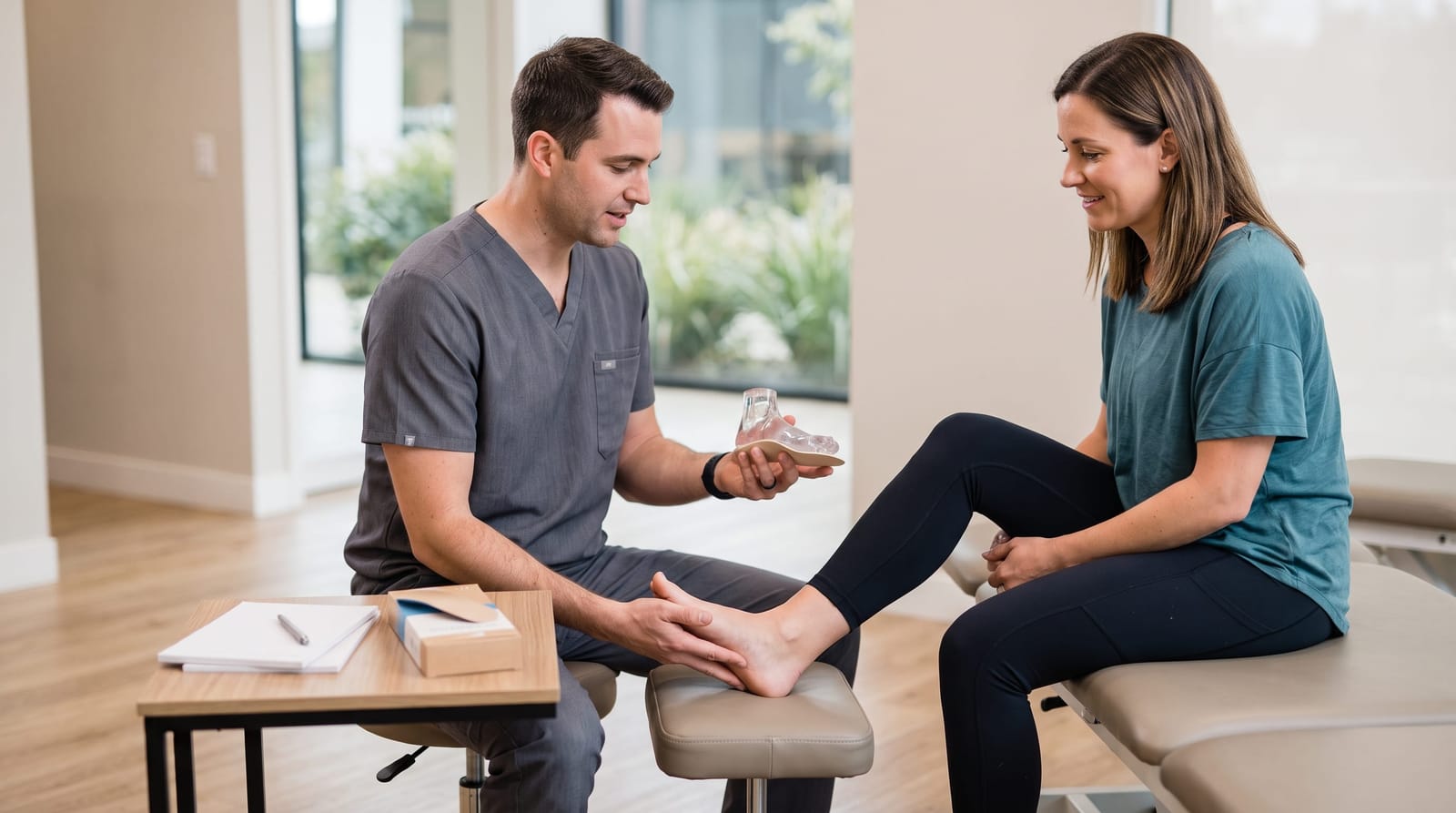
Generic insoles from a pharmacy can provide temporary cushioning, but they are designed for a generalized foot shape, not yours. Custom orthotics are different. They are crafted from a detailed mold or digital scan of your individual foot, accounting for your specific arch height, pressure distribution, gait mechanics, and activity level.
Redistributing Pressure Across the Foot
One of the primary ways custom orthotics for plantar fasciitis help is by redistributing ground-reaction forces so that your heel and the plantar fascia are no longer absorbing a disproportionate share of impact. Studies show that properly fitted custom orthotics can reduce peak plantar pressure by up to 40% in some patients. That reduction in repetitive loading gives irritated tissue a chance to calm down and begin healing.
Correcting Overpronation and Arch Mechanics
For patients whose plantar fasciitis is linked to overpronation, a custom orthotic with a medial arch post or heel cup can gently guide the foot into a more neutral position during the stance phase of walking. This limits the excessive stretch placed on the fascia with every step. Unlike an off-the-shelf insert that guesses at your arch profile, a custom device is contoured to match exactly where your arch falls: no more, no less.
Offloading the Heel During Impact
Many custom orthotics for plantar fasciitis include a small heel elevation or a strategically placed cushioning zone directly beneath the calcaneus (heel bone). This offloads the point of maximum tenderness without compromising the structural correction happening elsewhere in the device.
What the Research Actually Says
It's reasonable to wonder whether custom orthotics for plantar fasciitis are worth the investment compared to less expensive alternatives. The evidence is encouraging, though it's important to understand context.
A 2006 study published in the Journal of Bone and Joint Surgery found that custom orthotics combined with stretching produced statistically significant improvements in pain and function for plantar fasciitis patients after 8 weeks. A systematic review published in the Journal of Foot and Ankle Research concluded that custom foot orthoses provided meaningful short-term pain relief compared to control conditions, with approximately 70% of patients reporting reduced discomfort within 3 months of consistent use.
Other research notes that custom orthotics tend to outperform prefabricated insoles for patients with more complex biomechanical presentations: particularly those with moderate-to-severe overpronation, high arches, or asymmetrical gait patterns. For milder cases, prefabricated options may offer similar short-term outcomes, but they rarely address the individualized mechanics that contribute to recurrence.
The takeaway: custom orthotics for plantar fasciitis are not a guaranteed fix, but they are one of the most evidence-supported, conservative tools available, especially when combined with other therapies.
What to Expect During the Process
Understanding what the orthotic process looks like can help set realistic expectations and reduce any hesitation about getting started.
Assessment and Fitting
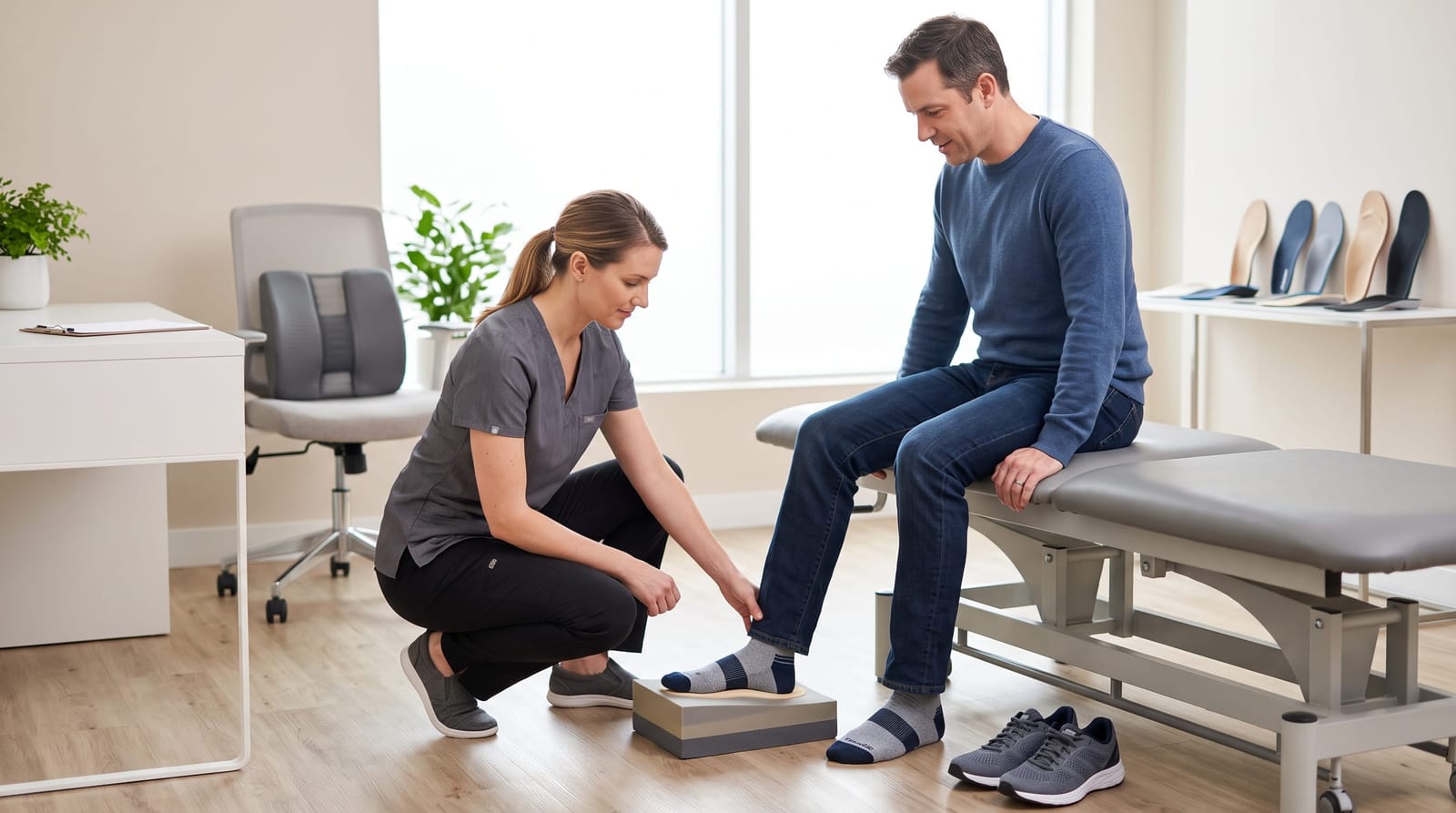
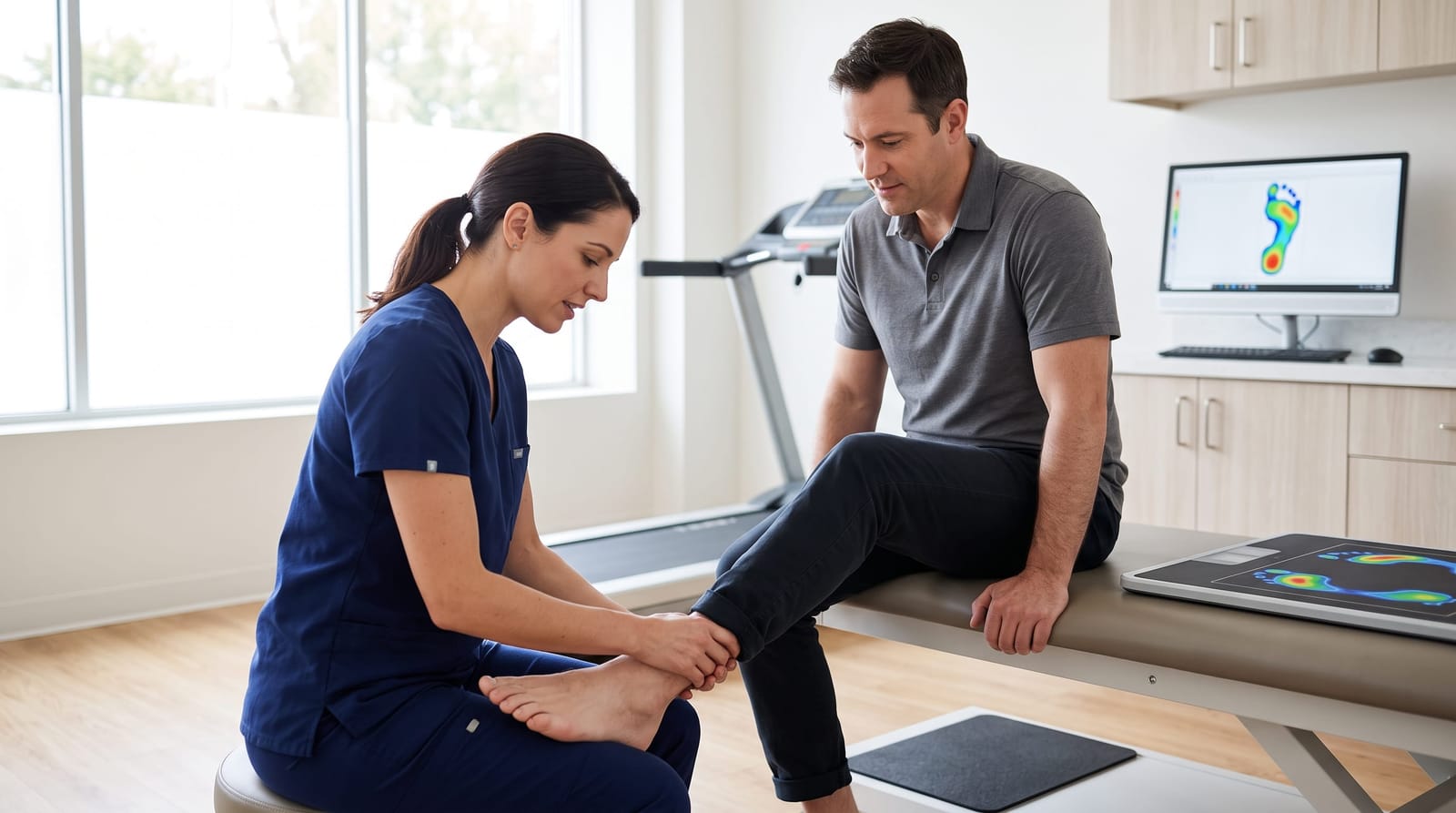
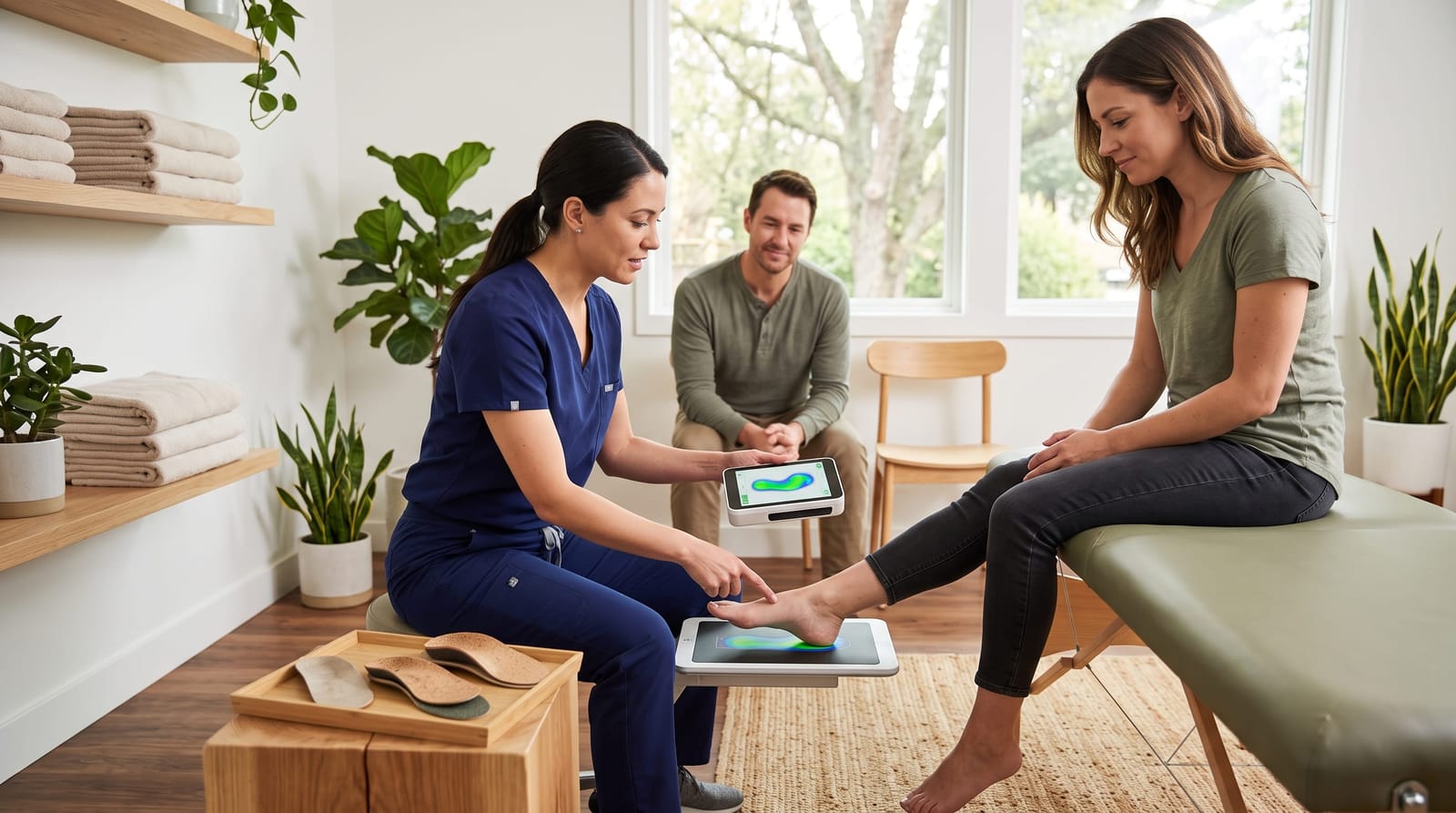
A thorough evaluation typically includes observation of your standing posture, a gait analysis, and a foot scan or mold. Your provider will note where calluses have formed (which reveals pressure patterns), assess ankle and calf flexibility, and ask about your daily activity demands. This information shapes the design of your custom orthotic.
Break-In Period
Most patients are advised to break in their orthotics gradually over 1 to 2 weeks: starting with just 2 to 3 hours of wear daily before working up to full-day use. Some mild arch fatigue in the first week is normal as your foot adapts to the new support pattern. This is not cause for concern; it typically resolves as your body adjusts.
Timeline for Results
Many patients notice a meaningful reduction in morning heel pain within 4 to 6 weeks of consistent orthotic use combined with stretching. Significant functional improvement, including longer periods of comfortable standing or walking, is commonly reported between weeks 6 and 12. Full resolution of symptoms often takes 3 to 6 months, particularly for chronic cases that have been present for a year or more.
Lifespan and Follow-Up
Quality custom orthotics typically last 2 to 5 years depending on activity level and materials. Periodic check-ins with your provider allow for adjustments as your foot mechanics or activity demands change over time.
Integrating Custom Orthotics With Chiropractic Care and Cold Laser Therapy
Custom orthotics for plantar fasciitis work best when they are part of a broader approach, not a standalone solution. At Prodigy Chiro Care, we often combine orthotic support with chiropractic care and cold laser therapy because each addresses a different layer of the problem.
Chiropractic Care and Foot Mechanics
Plantar fasciitis rarely develops from the foot alone. Misalignments in the ankle, knee, hip, or lumbar spine can create compensatory loading patterns that place excess demand on the plantar fascia. Chiropractic adjustments help restore normal joint motion and reduce tension in the kinetic chain from the low back down through the heel. When the body moves more efficiently overall, the orthotic can do its job more effectively at the foot level.
Cold Laser Therapy for Tissue Recovery
Cold laser therapy, also called low-level laser therapy, uses specific wavelengths of light to support cellular repair in inflamed soft tissue. For plantar fasciitis patients, it can help calm the local inflammatory response in the fascia and promote healing in the affected tissue. When used alongside custom orthotics, cold laser therapy addresses the existing tissue irritation while the orthotic works to prevent the mechanical forces that caused it.
Stretching and Soft Tissue Work
Calf and plantar fascia stretching remains one of the most well-supported components of plantar fasciitis care. Custom orthotics improve your structural foundation, but lengthening the Achilles tendon and calf complex reduces the pulling forces on the heel that worsen symptoms. Your care provider can guide you through a stretching routine tailored to your flexibility profile and activity level.
Custom Orthotics vs. Other Treatment Options
Patients often ask how custom orthotics compare to other approaches like cortisone injections, physical therapy, or night splints.
Cortisone injections can reduce acute inflammation quickly, but they do not correct underlying biomechanics. Night splints keep the foot in a dorsiflexed position overnight to reduce morning stiffness but don't address how you load your foot during the day. Physical therapy provides valuable strengthening and flexibility work but may not resolve gait-related contributors without structural support.
Custom orthotics fill a specific role: they address the mechanical reason the fascia keeps getting stressed. They are most effective when layered with other approaches rather than used in isolation. For a deeper look at how orthotics and chiropractic care compare as conservative treatment options, explore our discussion of custom orthotics plantar fasciitis treatment pathways without surgery.
For patients whose plantar fasciitis is connected to prolonged standing at work, the demands of daily occupational life also matter. Our guide on custom orthotics plantar fasciitis challenges for work professionals covers how orthotics can support standing desk users and those with long commutes.
Conclusion: A Supportive Step Toward Lasting Relief
Plantar fasciitis is persistent, but it responds well to thoughtful, biomechanically informed care. Custom orthotics for plantar fasciitis are one of the most practical tools available because they work with your specific foot structure every hour you're on your feet, not just during a therapy session. When combined with chiropractic care, targeted stretching, and supportive therapies like cold laser, they create a foundation for genuine, lasting improvement rather than temporary symptom management.
If heel pain has been slowing you down, the team at Prodigy Chiro Care in West Los Angeles is here to help you understand your options. Reach out today to schedule a comprehensive assessment and find out whether custom orthotics are a good fit for your foot health goals.