Do I Need Custom Orthotics? Signs Your Feet Are Affecting Your Health
If you've been dealing with persistent foot discomfort, nagging knee pain, or an aching lower back, you may have wondered whether your feet are part of the problem. It's a fair question, and a surprisingly common one. Many people don't realize that foot mechanics can influence the entire body, from the ankles and knees all the way up to the hips and spine. This guide explores the signs that a biomechanical foot issue may be contributing to your discomfort, and helps you understand when it might be worth asking a professional whether you need custom orthotics. We'll also look at what the research says, what symptoms to pay attention to, and how a proper evaluation can point you in the right direction.
Why Foot Mechanics Matter More Than Most People Think
Your feet are the foundation of everything you do while standing or moving. Each foot contains 26 bones, 33 joints, and more than 100 muscles, tendons, and ligaments. When any part of that system isn't moving efficiently, the effects can ripple upward through the kinetic chain.
Research published through various podiatric and orthopedic sources suggests that abnormal foot mechanics, such as overpronation, supination, or uneven weight distribution, can contribute to pain in areas that seem unrelated to the feet. Studies have found that approximately 75% of Americans experience foot problems at some point in their lives, and a meaningful portion of those issues have a biomechanical component.
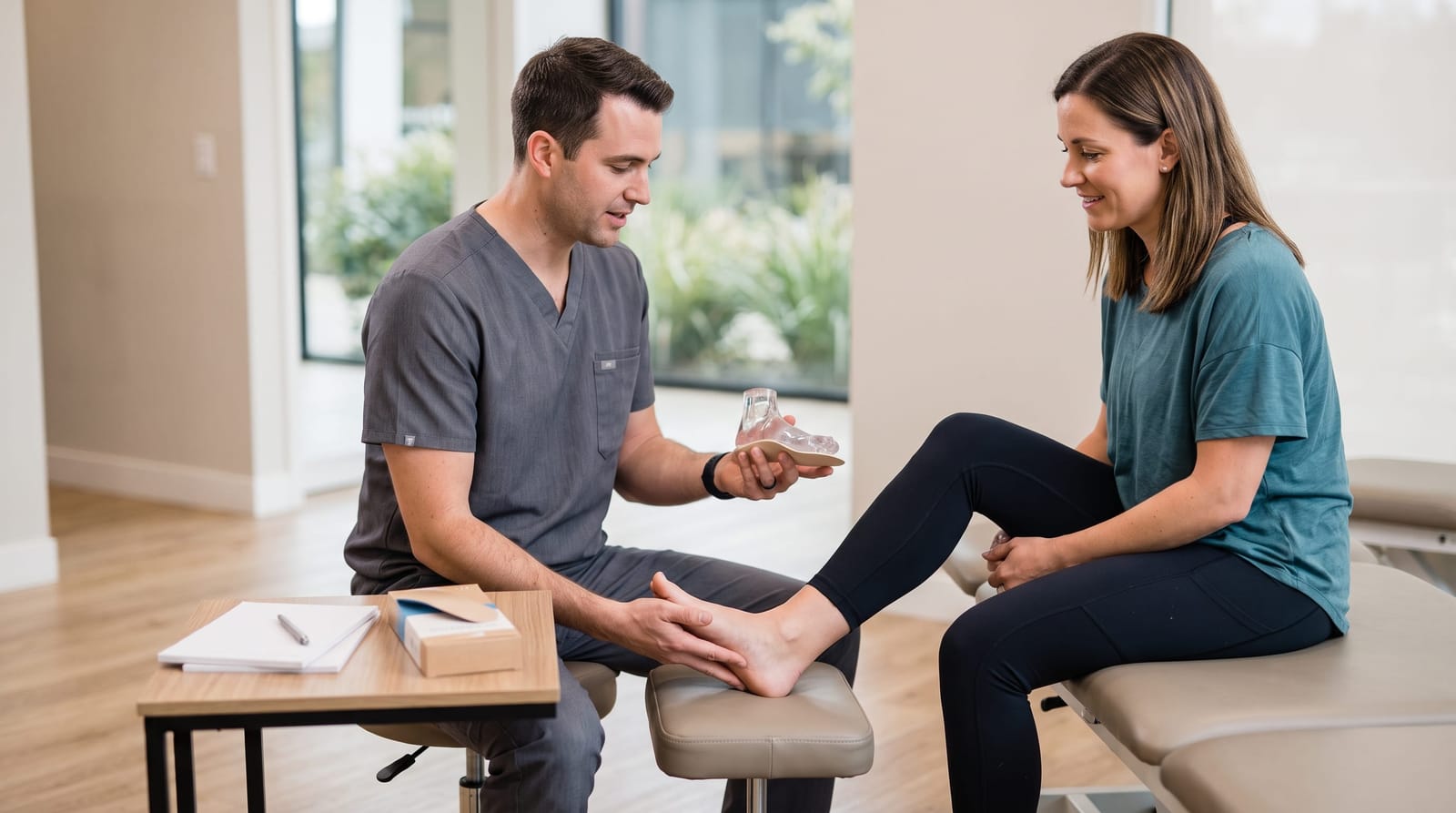
Custom orthotics are designed to address those biomechanical factors. Unlike generic insoles purchased at a drugstore, custom orthotics are fabricated from a precise mold or scan of your foot. They're built to support your specific arch shape, correct alignment issues, and redistribute pressure across the foot's surface.
But not everyone needs them. Understanding the difference between a situation that calls for custom support and one that may respond to simpler solutions, like stretching, footwear changes, or over-the-counter insoles, is exactly what a professional evaluation is designed to help you figure out. If you're exploring your options, it's worth reviewing how do custom orthotics work compares to over-the-counter alternatives before making a decision.
Common Signs That Your Feet May Be Affecting Your Body
Asking yourself "do I need custom orthotics" is a good starting point. The answer depends on your specific symptoms, lifestyle, and the results of a professional foot assessment. That said, several patterns tend to show up in people whose discomfort has a foot-based component.
Pain That Keeps Coming Back
One of the clearest signals is recurring discomfort that doesn't fully resolve with rest. If heel pain flares up every morning when you take your first steps, or if the balls of your feet ache after relatively short periods of standing, those patterns suggest the foot structure itself may be under stress. Plantar fasciitis, for example, affects roughly 2 million Americans each year and is one of the most common conditions addressed with custom orthotics. You can learn more about that connection by reading about custom orthotics plantar fasciitis and how targeted support works for this condition.
Uneven Shoe Wear
Take a look at the soles of your most-used shoes. If one side wears down significantly faster than the other, or if the outer or inner edge of the heel shows heavy wear, that pattern reflects how your foot strikes the ground during each step. Uneven wear is a visible clue that your gait may be placing asymmetrical stress on your joints.
Foot Fatigue by Midday
Many people accept foot tiredness as a normal part of a busy day. But feet that are aching, throbbing, or swollen by midday, especially if you work at a desk or aren't on your feet excessively, may be telling you that they're working harder than they should to maintain stability.
Flat Feet or Noticeably High Arches
Both flat feet and high arches affect how weight is distributed across the foot. Flat feet (also called fallen arches) tend to cause the ankle to roll inward, a pattern known as overpronation, which can affect knee tracking, hip alignment, and the lumbar spine. High arches, on the other hand, reduce the foot's natural shock absorption. Both structural patterns are common reasons people seek professional evaluation for custom orthotics. The full-body effects of flat feet and overpronation are explored in more depth in our guide on custom orthotics flat feet.
When Knee, Hip, or Back Pain May Have a Foot Connection
Foot mechanics don't stay isolated to the foot. The body moves as a connected system. When the foot doesn't strike, load, or push off efficiently, compensations occur higher up the chain.
Knee Pain and Pronation
When the foot rolls inward excessively during walking or running, the tibia (shinbone) rotates inward with it. This internal rotation places additional stress on the knee joint. Research has linked overpronation to conditions like patellofemoral pain syndrome, sometimes called "runner's knee", which affects an estimated 25% of runners and a significant portion of physically active adults.
Hip Imbalances
Leg length discrepancies, even small ones measured in millimeters, can cause the pelvis to tilt. Custom orthotics can include heel lifts or specific contours that address these subtle differences, potentially reducing the strain placed on the hip and surrounding musculature.
Lower Back Pain With No Clear Source
One of the more surprising connections is between foot alignment and lower back pain. Poor foot mechanics can alter pelvic tilt and lumbar curvature over time. If you've explored other explanations for your back discomfort without clear answers, a foot and posture assessment may offer a missing piece of the picture. Our article on whether custom orthotics fix posture explores the foot-spine relationship in detail and is a helpful read for anyone dealing with ongoing postural concerns.
Lifestyle Factors That Increase the Need for Custom Foot Support
Beyond specific diagnoses, your daily lifestyle plays a meaningful role in whether your feet may benefit from customized support.
Occupations That Involve Prolonged Standing or Walking
Healthcare workers, teachers, retail employees, and tradespeople are among the groups that frequently report foot and lower limb discomfort. Studies suggest that workers who stand for more than 4 hours per day are significantly more likely to develop musculoskeletal complaints in the feet, legs, and lower back. Custom orthotics designed for occupational use can help distribute load more evenly throughout the workday.
Active Lifestyles and Recreational Sports
Runners, cyclists, and court sport athletes place repetitive stress on the same foot structures thousands of times per session. When biomechanical inefficiencies are present, that repetition amplifies the problem. Many recreational athletes find that customized foot support reduces overuse-related discomfort and helps them stay active longer.
Pregnancy and Hormonal Changes
Hormonal shifts during pregnancy cause ligaments throughout the body to relax. The feet are not exempt. Many women notice arch flattening or new foot discomfort during pregnancy. Temporary custom orthotics or well-fitted supportive footwear can make a meaningful difference during this time.
Aging and Changes in Foot Structure
The fat padding on the bottom of the foot naturally thins with age. Arches can begin to fall. Joints that were previously well-cushioned may become more sensitive to impact. Adults over 50 frequently discover that footwear that worked for decades is no longer comfortable, often because the foot itself has changed.
The Difference Between Custom Orthotics and Store-Bought Insoles
A reasonable first step for mild foot discomfort is trying a quality over-the-counter insole. They're widely available, affordable, and appropriate for many situations. For generalized cushioning or minor fatigue, they can work well.
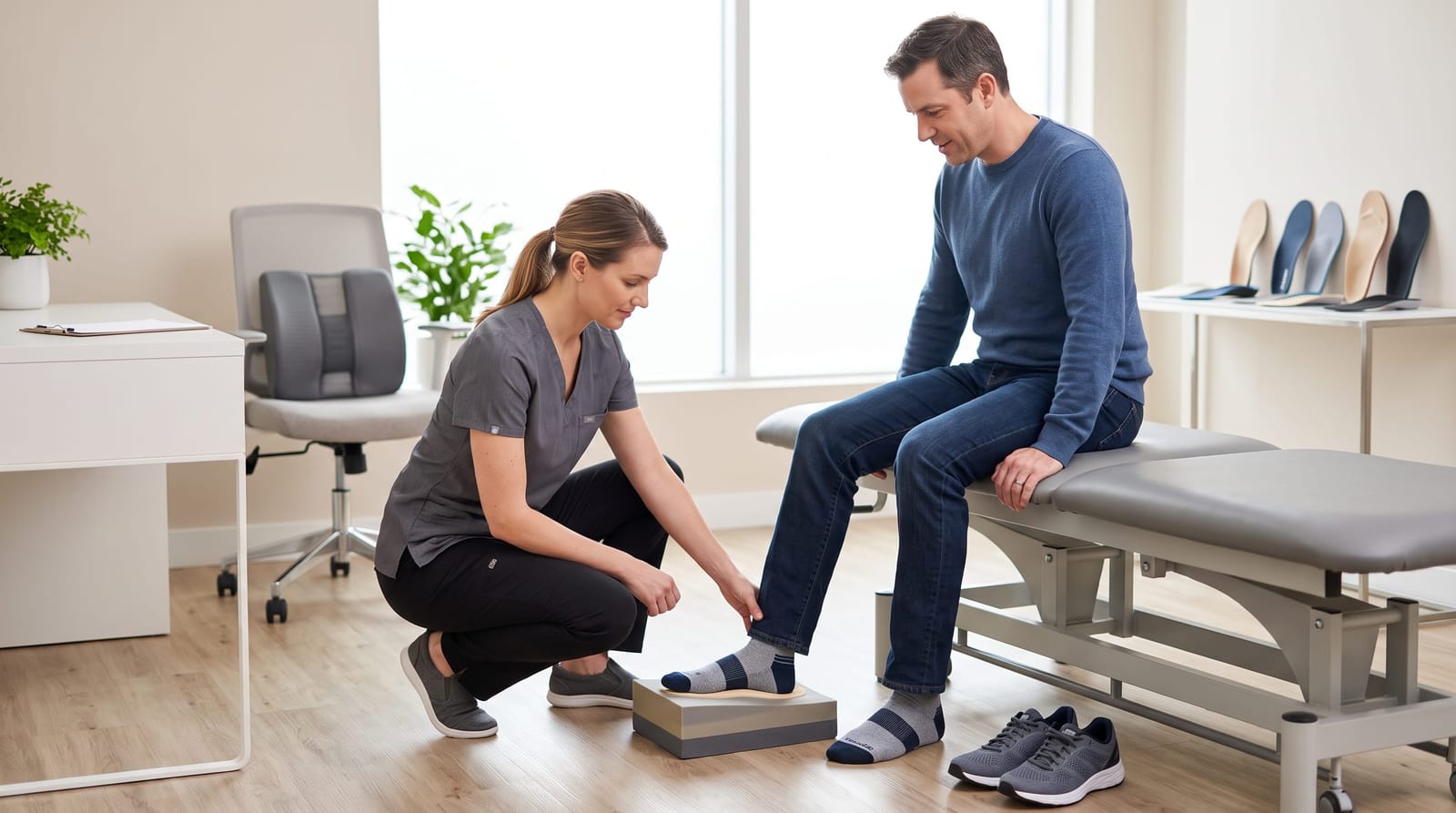
However, there are important limitations. Over-the-counter insoles are built around average foot dimensions. They offer support for a generalized foot shape, not yours specifically. If your issue stems from a structural or biomechanical factor, a specific arch height, a gait deviation, a leg length difference, a one-size-fits-most product is unlikely to address it precisely.
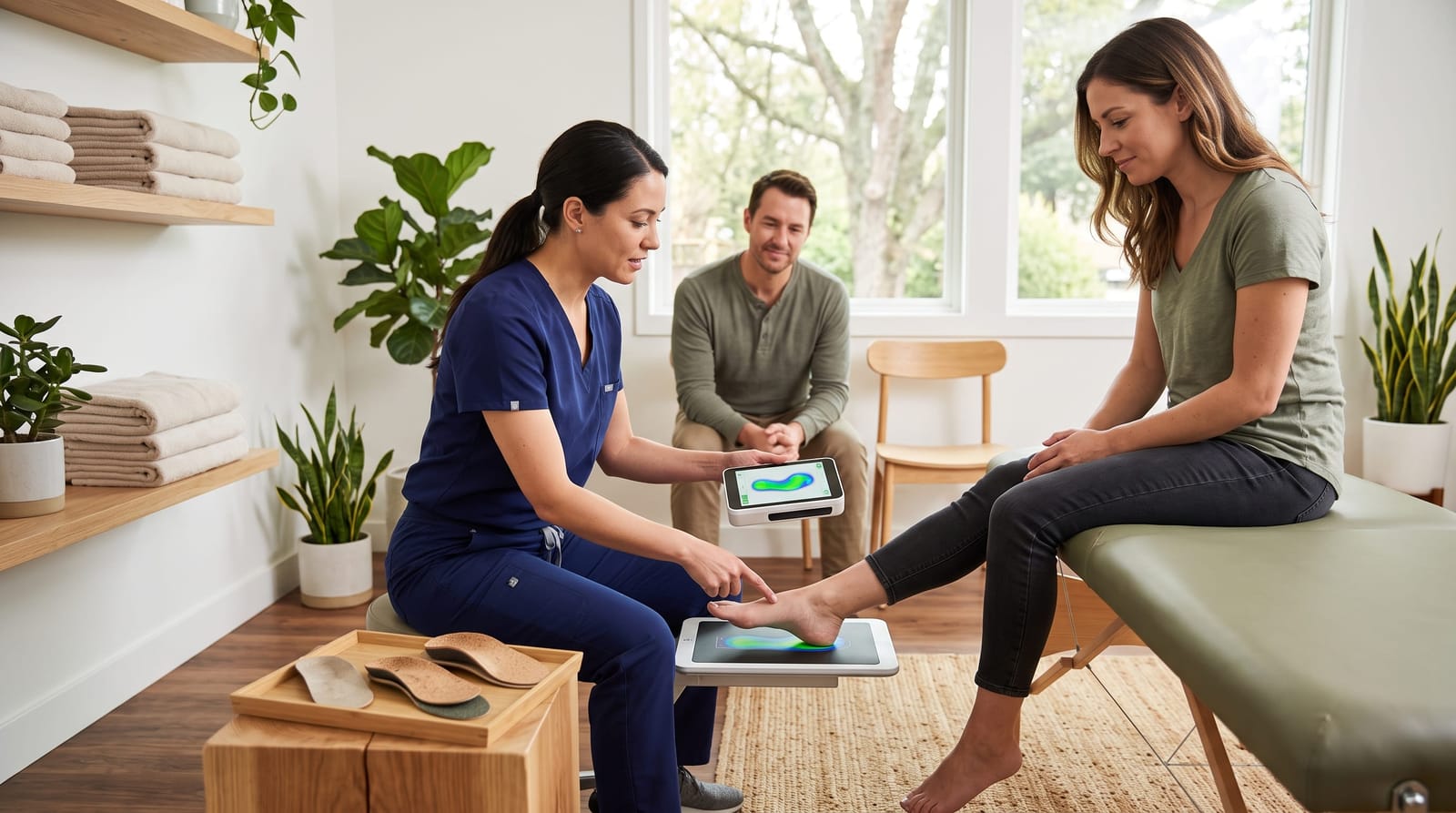
Custom orthotics are fabricated based on a detailed assessment of your foot structure and gait. The process typically includes a foot scan or mold, a movement analysis, and a review of your symptoms and lifestyle needs. The resulting device is built to match your foot's exact contours and support its specific movement patterns.
Dr. James Ioli, Chief of Podiatry at Brigham and Women's Hospital, has noted that people with conditions like chronic plantar fasciitis, structural deformities, or significant gait abnormalities typically need custom devices rather than off-the-shelf options. That professional perspective is helpful framing for anyone weighing the decision.
You can explore that comparison more fully in our breakdown of do custom orthotics work compared to over-the-counter insoles, including when the price difference is genuinely justified.
What a Professional Foot and Posture Evaluation Looks Like
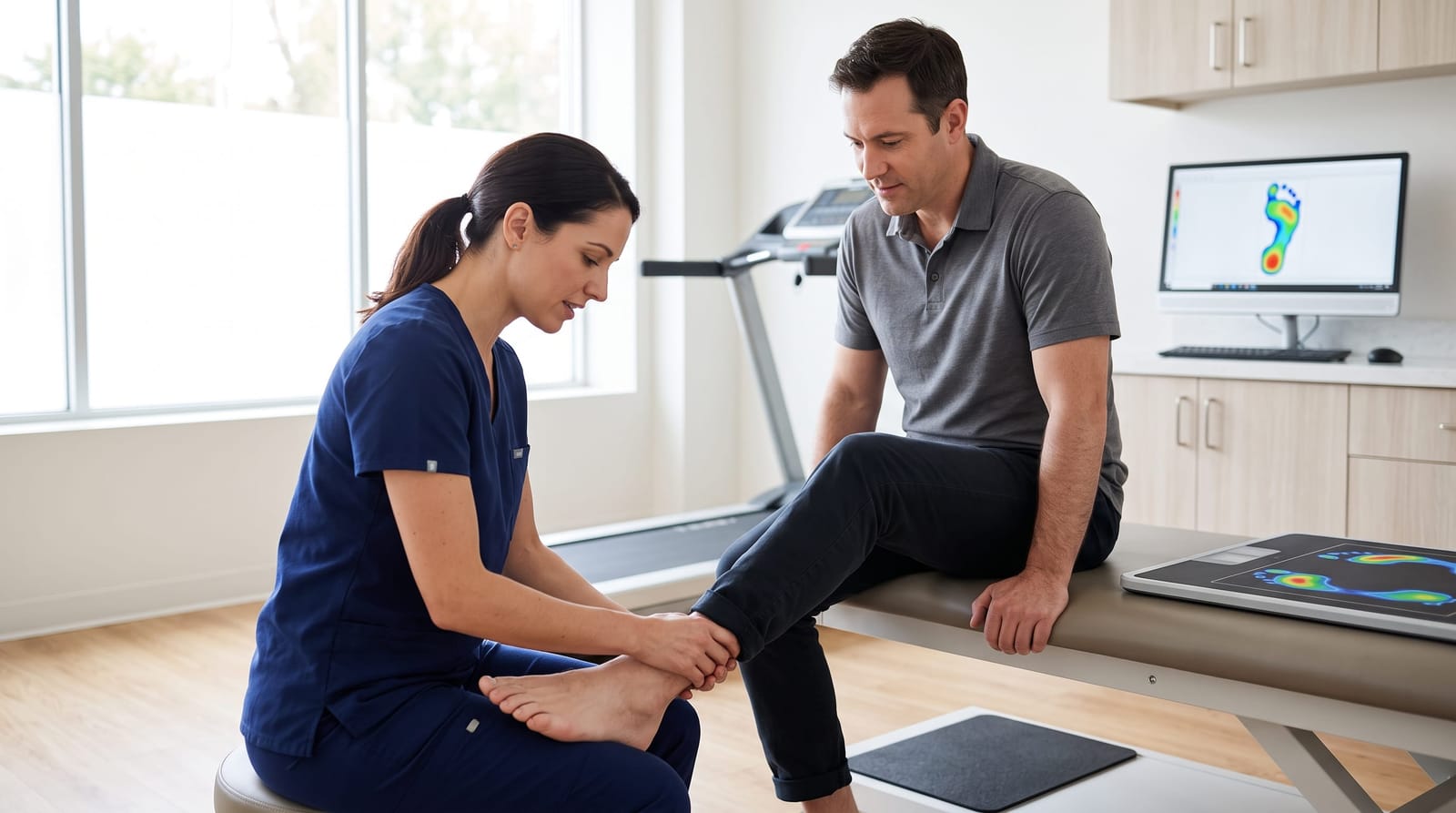
If you're asking whether you need custom orthotics, a professional evaluation is the most reliable way to get a meaningful answer. At Prodigy Chiro Care in West Los Angeles, foot and posture assessments look at the whole picture, not just the foot in isolation.
A thorough evaluation typically includes several components:
- Visual assessment of foot structure and arch height while standing and in motion
- Gait analysis to observe how the foot strikes and loads during walking
- Postural assessment to identify alignment patterns in the knees, hips, and spine
- Review of your symptom history, activity level, and footwear habits
- Discussion of conservative options, including whether custom orthotics, chiropractic care, or other supportive approaches make sense for your situation
What matters most is that you leave with a clearer understanding of what's contributing to your discomfort, and a realistic sense of which options are worth exploring. There are no pressure-based decisions here. A good evaluation helps you make an informed choice for your own wellness.
It's also worth knowing that the clinical setting where you receive your orthotics can influence the process and outcome. Our post on do I need custom orthotics from a chiropractic office versus a podiatrist walks through the differences in approach so you can feel confident about where to start.
Conclusion: Your Feet Are Worth Paying Attention To
If you've been living with recurring foot discomfort, unexplained knee pain, persistent back aches, or posture concerns, your feet may be contributing more than you realize. The question of whether you need custom orthotics doesn't have a single universal answer, but recognizing the signs and getting a professional evaluation puts you in a much better position to find out.
Custom orthotics aren't a solution for everyone, and they're not meant to be. What they can offer, for the right person with the right set of circumstances, is a genuinely personalized form of support that addresses the root of the issue rather than just managing symptoms.
If any of the signs in this guide sound familiar, we'd encourage you to schedule a foot and posture assessment at Prodigy Chiro Care in West Los Angeles. Our team takes a thoughtful, whole-body approach to helping patients understand what's happening and what options may support their long-term wellness. Reach out today to start the conversation.