Custom Orthotics Cost: What Are You Actually Paying For?
If you've started researching custom orthotics, you've probably already noticed the price range is wide, and maybe a little surprising. Somewhere between $200 and $800 or more is the typical range, and that number can feel hard to justify when a pair of drugstore insoles costs $30. So what exactly goes into the custom orthotics cost, and why does the price difference exist? This post breaks it down clearly so you can make an informed decision about whether professional custom orthotics make sense for your situation.
Why Custom Orthotics Cost More Than Store-Bought Insoles
The short answer is that custom orthotics and pharmacy insoles are fundamentally different products doing fundamentally different jobs. A store-bought insole is a standardized cushion designed to fit an average foot. It may add some padding or minor arch support, but it isn't built around how your specific foot moves, loads, or compensates.
Custom orthotics, by contrast, are medical-grade devices fabricated specifically for your foot structure and gait pattern. They're designed to support your unique biomechanics: the way your arches function, how your weight distributes across your foot, and how your alignment affects your knees, hips, and lower back. That level of personalization requires professional assessment, specialized equipment, and skilled manufacturing: none of which comes free.
When patients ask about custom orthotics cost, the honest answer is that you're not paying for a better insole. You're paying for a clinical process that results in a device tailored to your body.
What's Actually Included in the Custom Orthotics Cost
Understanding where your money goes makes the investment much easier to evaluate. The total custom orthotics cost typically includes several distinct components:
1. The Initial Assessment
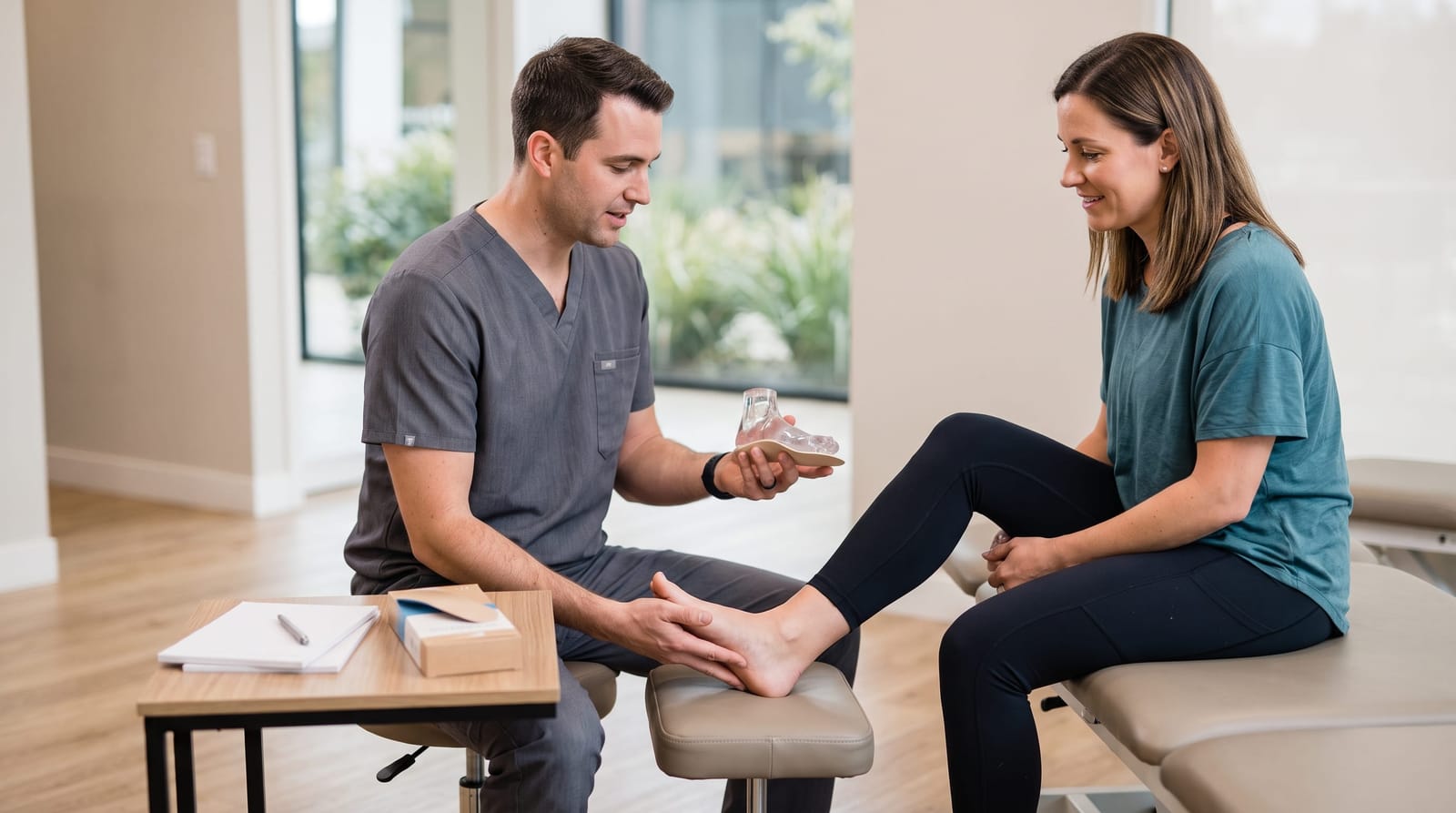
Before any orthotic is created, a provider needs to evaluate your foot structure, posture, gait, and any symptoms you're experiencing. This assessment may include a physical examination, gait analysis, and a conversation about your daily activities and footwear. This step is essential, without it, there's no way to design an orthotic that actually addresses your needs. The assessment is often billed separately or bundled into the total cost depending on the practice.
2. Casting or Scanning
To fabricate a custom orthotic, your provider needs an accurate three-dimensional model of your foot. This is typically captured through one of the following methods:
- Plaster casting: A traditional method where your foot is placed in a neutral position and cast in plaster to create a mold
- Foam box impression: Your foot is pressed into a foam mold that captures the contours of your arch and heel
- 3D digital scanning: A newer, highly precise method using laser or optical scanning technology to create a digital model of your foot
Each method has its own cost considerations. Digital scanning tends to be more efficient and accurate, which is reflected in the quality of the finished device.
3. Manufacturing
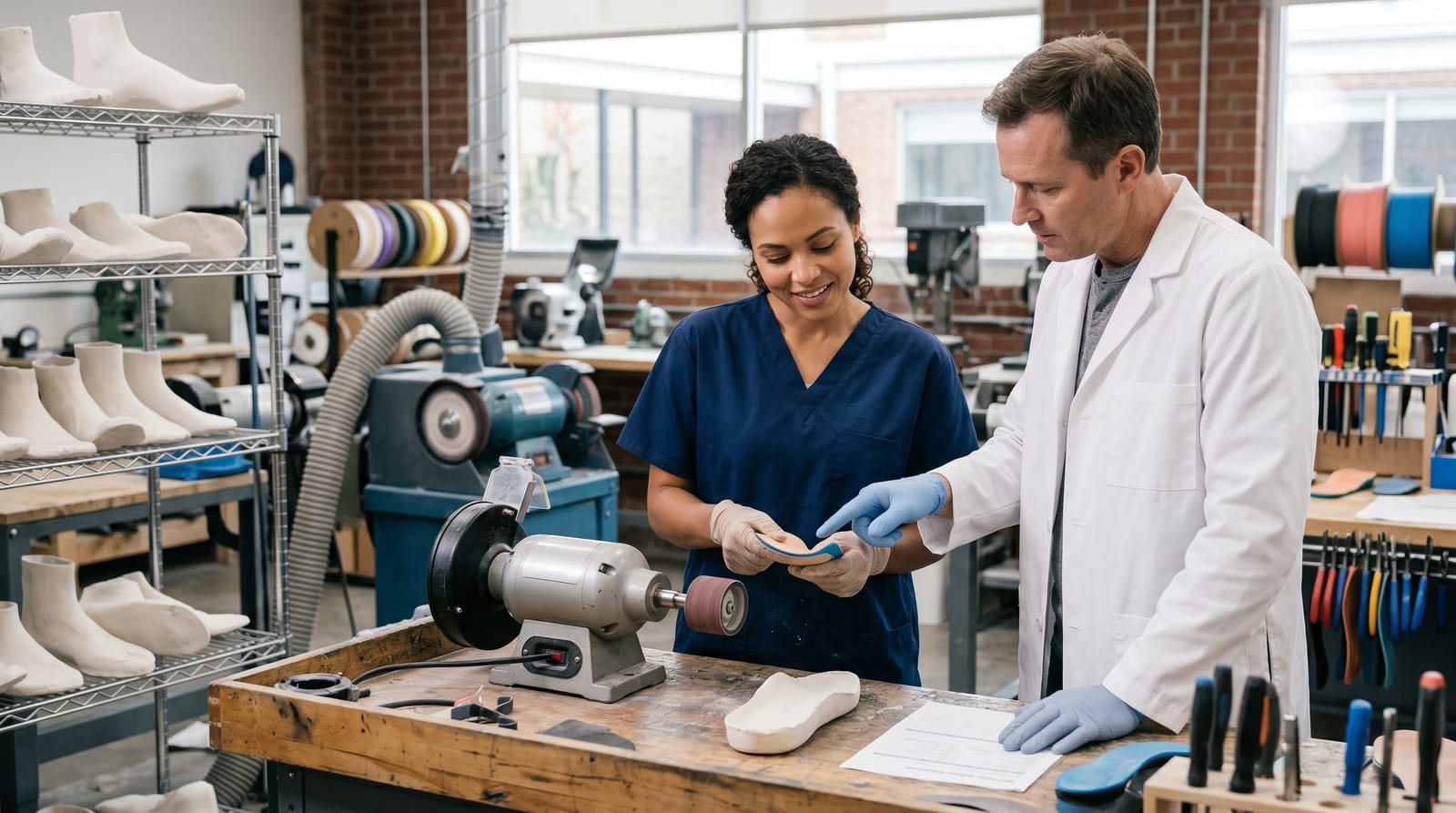
Once the foot model is captured, the data is sent to a specialized lab where your orthotic is fabricated by hand or using precision equipment. The materials used, rigid shells, semi-flexible frames, cushioned top covers, vary based on your specific needs and activity level. A rigid functional orthotic for correcting overpronation looks and functions very differently from a soft accommodative orthotic designed to reduce pressure for a patient managing diabetic foot changes. Manufacturing quality accounts for a significant portion of the total custom orthotics cost.
4. Fitting and Follow-Up Adjustments
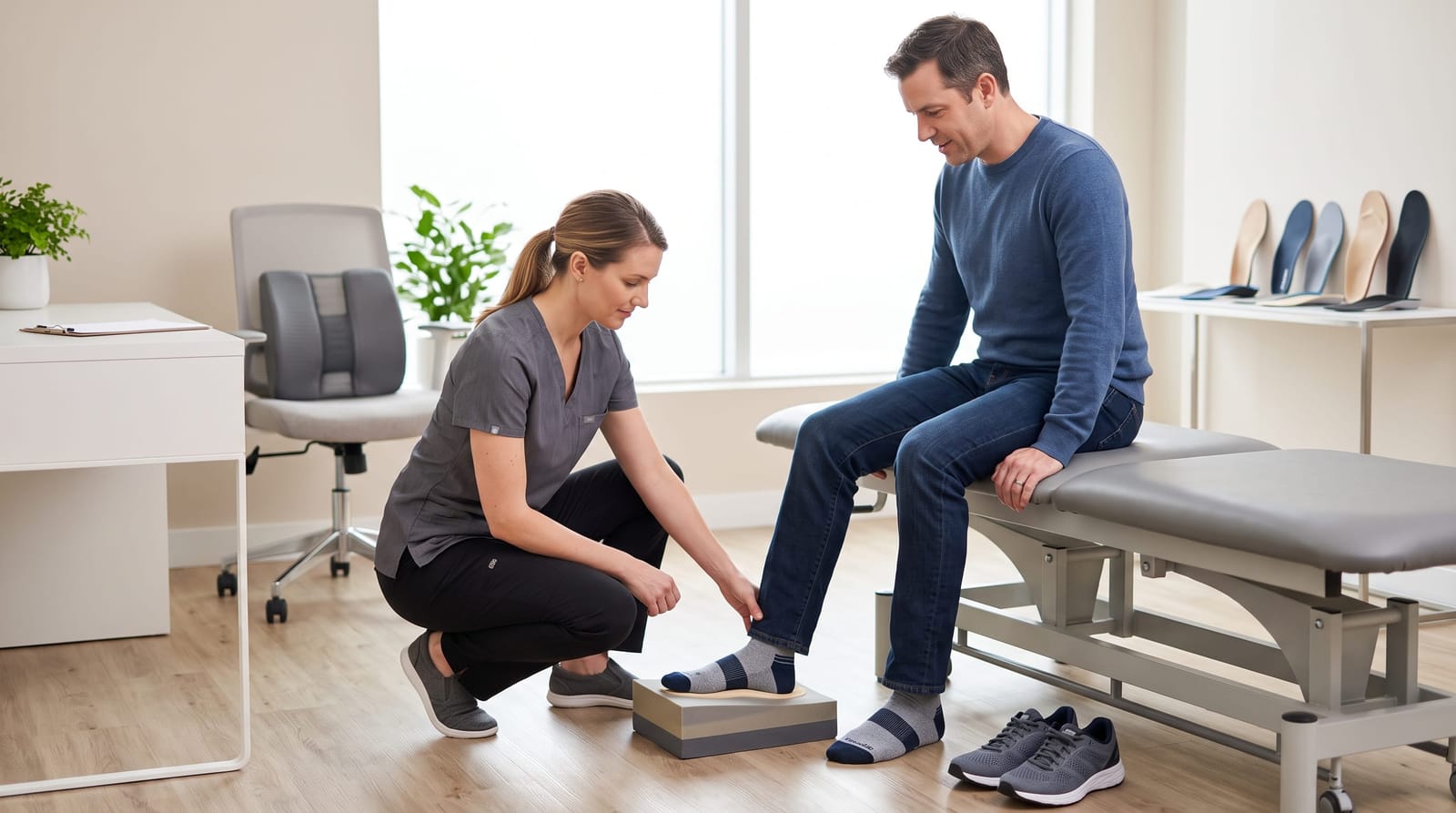
Receiving your orthotics isn't the final step. A proper fitting appointment ensures the devices sit correctly in your shoes and feel right during movement. Most providers also include follow-up visits to make minor adjustments as your body adapts. These follow-up appointments are an important part of the value, and they're usually included in the overall cost rather than billed separately.
The Typical Custom Orthotics Cost Range: and What Drives It
Custom orthotics generally range from $200 to $800, with some specialized devices reaching $1,000 or more. Several factors influence where your cost lands within that range:
- Provider type: Orthotics prescribed through a podiatrist, chiropractor, or physiatrist may differ in cost from one another depending on the practice model
- Materials and construction: Premium materials and more complex designs cost more to manufacture
- Number of pairs: Some patients need different orthotics for athletic shoes versus dress shoes or work boots
- Geographic location: Costs in West Los Angeles and other major metropolitan areas may reflect higher overhead than in smaller markets
- Technology used: Practices using advanced 3D scanning or gait analysis software may have higher upfront costs reflected in the price
- Included services: Some providers bundle assessments and follow-ups into a single fee; others bill each visit separately
It's worth asking any provider upfront what exactly is included in the quoted custom orthotics cost so you can compare accurately across practices.
Does Insurance Help Cover Custom Orthotics Cost?
Insurance coverage for custom orthotics varies significantly depending on your plan and the reason for the prescription. Many insurance plans, including some PPO plans and Medicare Advantage options, will contribute to custom orthotics cost when the devices are deemed medically necessary for a documented condition. Coverage is less common for orthotics prescribed primarily for comfort or athletic performance without an underlying diagnosis.
Here are a few practical steps to take before your appointment:
- Contact your insurance provider and ask specifically whether "custom foot orthotics" (CPT code L3000: L3649) are covered under your plan
- Ask whether a referral or pre-authorization is required
- Confirm whether the provider you're seeing is in-network
- Find out your deductible status, since coverage may only kick in after you've met your deductible for the year
Even when insurance doesn't cover the full custom orthotics cost, many practices offer flexible payment options or can work with HSA and FSA accounts, which allow you to use pre-tax dollars for qualified medical expenses like custom orthotics.
How Long Do Custom Orthotics Last: and Does That Affect the Value?
One factor that meaningfully affects the overall value of custom orthotics cost is durability. Well-made custom orthotics typically last between two and five years with regular use, though this varies based on material, activity level, and body weight. Some patients have their orthotics for considerably longer with periodic refurbishment of the top cover.
When you spread the total custom orthotics cost across their functional lifespan, the per-day or per-month cost often compares favorably to repeatedly replacing lower-quality store-bought alternatives, especially when you factor in the added clinical benefit of a device that actually supports your body properly.
Frequently Asked Questions
How much do custom orthotics cost on average?
Most custom orthotics cost between $200 and $800, depending on the provider, materials used, and services included. Highly specialized orthotics can reach $1,000 or more. It's important to clarify what's included in that price: some quotes bundle assessments and adjustments while others do not.
Are custom orthotics worth the cost compared to over-the-counter insoles?
For many patients dealing with specific foot, gait, or alignment concerns, custom orthotics offer a meaningfully different level of support than over-the-counter insoles. The value depends on your individual situation, which is why a proper clinical assessment is the best starting point before making a decision.
Will insurance cover the cost of custom orthotics?
Some insurance plans do cover custom orthotics when they're medically necessary and properly documented. Coverage varies widely, so it's worth calling your insurer directly before your appointment to understand your benefits, deductibles, and any pre-authorization requirements.
How often do custom orthotics need to be replaced?
Custom orthotics generally last two to five years with regular use, though the top cover may need replacing sooner. Your provider can assess the condition of your orthotics at follow-up visits and let you know when it's time for a replacement or update.
Understanding Custom Orthotics Cost Is the First Step
The custom orthotics cost you see quoted isn't just a price for a product: it reflects a clinical process that includes professional assessment, precise casting or scanning, skilled manufacturing, fitting, and follow-up care. When viewed that way, the investment becomes much clearer. If you're exploring whether custom orthotics might be the right support for your feet, posture, or daily comfort, understanding what you're paying for helps you evaluate the decision with confidence. Learning more about how custom orthotics work for specific conditions is a natural next step in that process.