Custom Orthotics Cost and Insurance: What West Los Angeles Patients Need to Know

When exploring whether custom orthotics are right for you, a question we dig into deeply in our condition-by-condition guide on whether custom orthotics really work, one of the first practical questions that comes up is simple: what is this going to cost, and will my insurance help? For patients in West Los Angeles, those answers are rarely straightforward. Pricing varies, insurance coverage depends on a wide range of factors, and the comparison between custom orthotics and over-the-counter alternatives isn't always apples to apples. This guide walks through the real numbers, what drives those numbers, how insurance typically fits into the picture, and how to think about long-term value, so you can approach the conversation with your provider feeling genuinely informed rather than caught off guard.
What Does Custom Orthotics Cost Insurance Actually Look Like? The Real Price Range
Understanding custom orthotics cost and insurance starts with knowing the baseline price range before any coverage is applied. Custom orthotics, devices fabricated specifically for your foot using a mold, scan, or detailed biomechanical assessment, typically range from $300 to $800 per pair, depending on the provider, the materials used, and the complexity of the design. In the Los Angeles market, where healthcare costs generally trend higher than national averages, it's reasonable to expect pricing toward the mid-to-upper end of that range.
Semi-custom orthotics, which use pre-made shells adjusted to your measurements, generally fall between $60 and $300. Basic over-the-counter insoles, the kind available at a pharmacy or grocery store, start at around $30. These three tiers serve different purposes, and the price difference reflects genuine differences in design, materials, and the clinical process behind them.
What's Included in the Price of Custom Orthotics
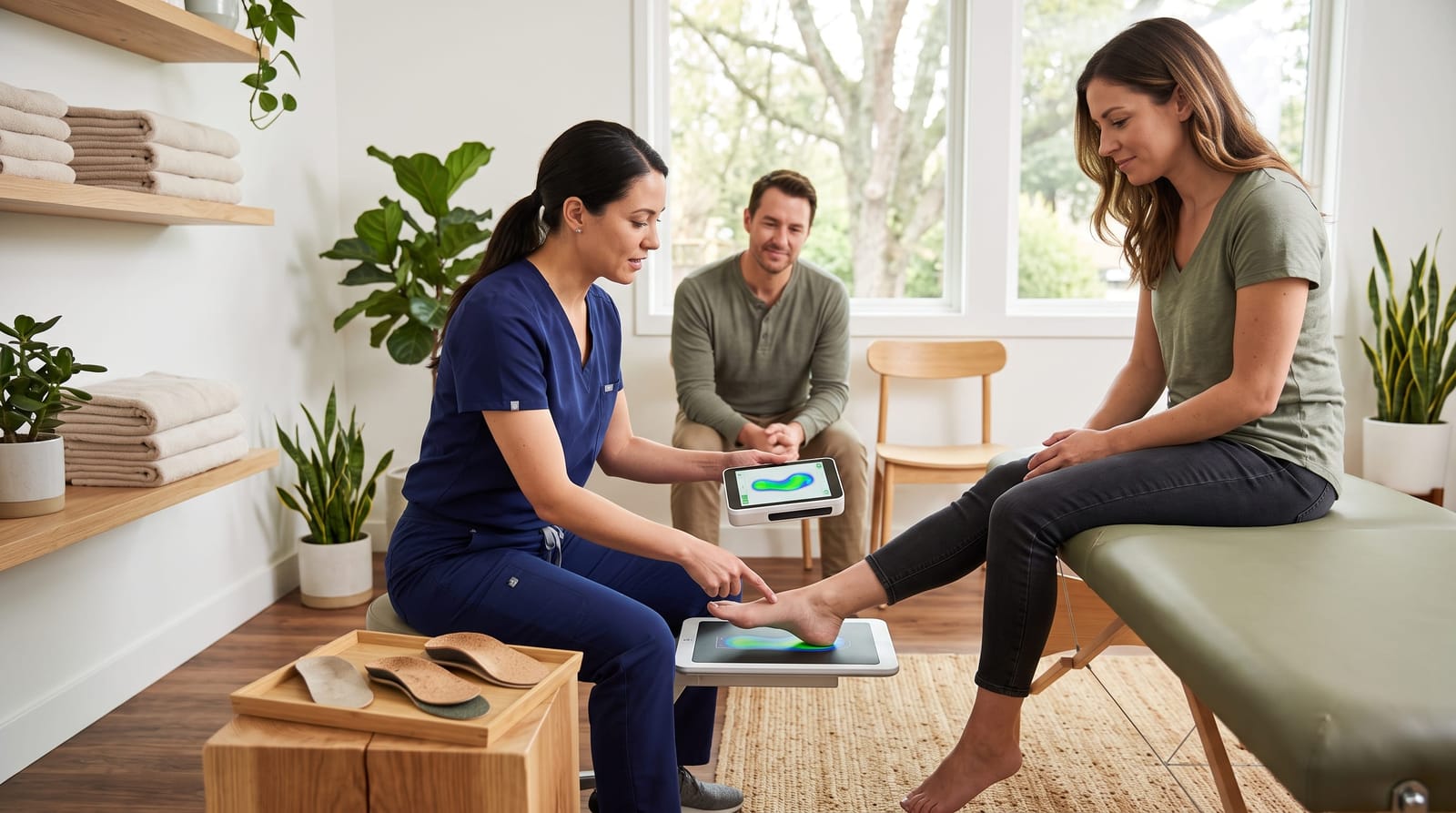
When you pay for a custom orthotic, you're not just paying for a piece of molded material. The cost typically covers:
- A detailed foot and gait assessment by a trained clinician
- Casting, scanning, or impression-taking of your foot
- Laboratory fabrication of the device to your specifications
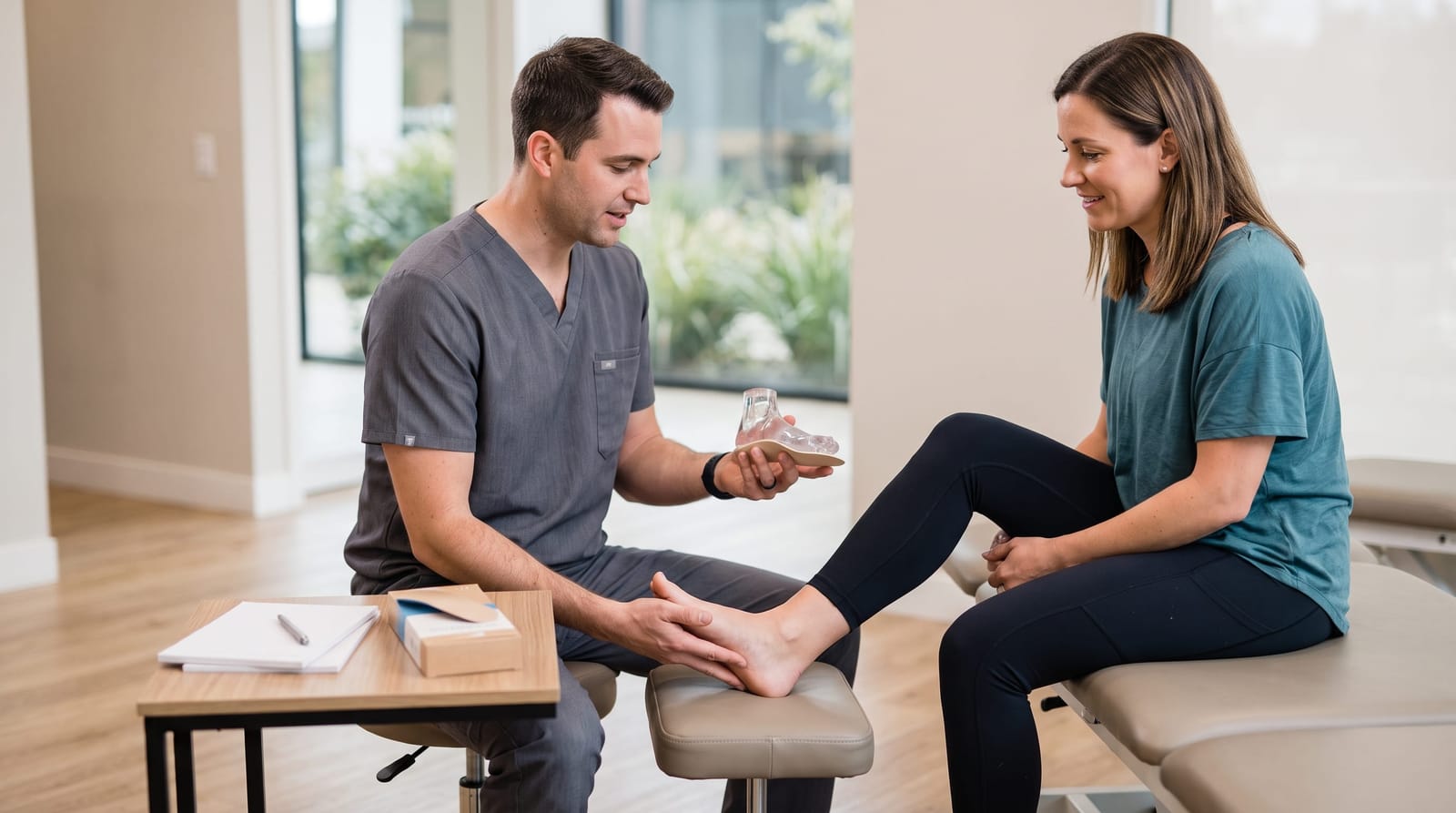
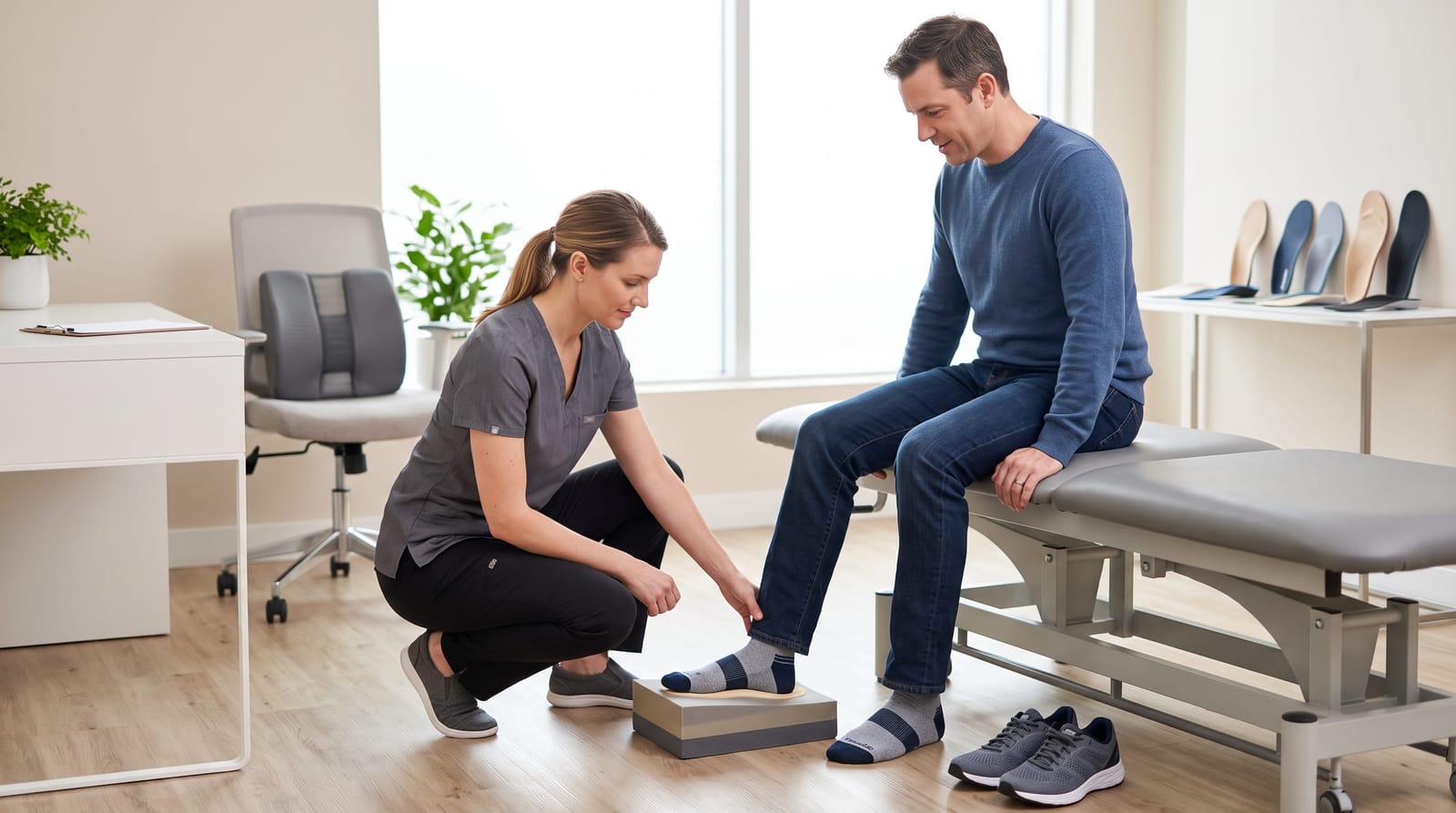
- A fitting appointment and any initial adjustments
- Follow-up modifications if needed during a break-in period
For a deeper breakdown of what each component contributes to the final price, our post on custom orthotics cost explores the line-by-line value behind the investment.
How Insurance Coverage for Custom Orthotics Generally Works
Insurance coverage for custom orthotics is one of the more nuanced areas of the cost conversation, and it's important to approach it with realistic expectations. Coverage varies considerably depending on the type of insurance plan, how the provider bills, and whether the orthotics are considered medically necessary for a documented condition.
As a general educational overview, not a guarantee of what your specific plan will cover, here is how different coverage types tend to approach orthotics:
Private Insurance Plans
Many private insurance plans include some level of coverage for custom orthotics when they are prescribed or recommended by a licensed healthcare provider for a qualifying condition. Whether a condition qualifies often depends on your plan's specific language around "durable medical equipment" (DME) or orthotic devices. Coverage can range from partial reimbursement after a deductible to full exclusion depending on your policy tier and employer plan design.
Medicare
Medicare Part B generally covers 80% of the Medicare-approved amount for custom orthotics after the annual deductible is met, when they are deemed medically necessary and prescribed appropriately. The remaining 20% would typically fall to the patient or a supplemental plan. Eligibility requirements still apply, and not every situation qualifies, so it's worth having a direct conversation with your provider and insurance representative.
HMO and PPO Differences in Los Angeles
In the West Los Angeles market, where many patients navigate large PPO networks or employer-sponsored HMO plans, the in-network versus out-of-network status of your orthotic provider significantly affects reimbursement. Out-of-network providers may still submit claims on your behalf, but your out-of-pocket responsibility could be substantially higher. Always verify before your appointment.
Important note: This content is educational and general in nature. For guidance specific to your plan and situation, consult your insurance carrier and healthcare provider directly: they are the appropriate professionals to advise you on coverage decisions.
What Drives Cost Variation Between Providers
Not all custom orthotics are priced the same, and understanding why helps you evaluate your options more clearly. Several factors contribute to the range you'll encounter when researching providers in the Los Angeles area.
Materials and Fabrication Method
Orthotics can be made from a range of materials: rigid carbon fiber or polypropylene shells for structural support, softer EVA foam blends for cushioning and impact absorption, or hybrid combinations. High-performance materials cost more to source and fabricate, and the laboratory that does the fabrication plays a meaningful role in the final product's quality and longevity.
Clinical Expertise and Assessment Depth
A thorough biomechanical evaluation, which may include gait analysis, postural assessment, and a review of how foot alignment connects to the rest of your body, requires time and specialized knowledge. Practices that invest in this level of assessment tend to charge accordingly, and the quality of the initial evaluation directly influences how well the orthotic is designed to support your individual needs.
Specialty vs. General Purpose Design
An orthotic designed for everyday walking looks different from one built for running, cycling, or dress shoes. Specialty designs often require different materials, unique profiles, and additional customization, all of which affect price. Some patients end up with more than one pair to cover different footwear and activity demands.
Custom Orthotics vs. Over-the-Counter Insoles: How to Think About Value
It's tempting to look at the price gap between a $30 drugstore insole and a $500 custom orthotic and wonder whether the difference is justified. The honest answer is: it depends on what you're dealing with and what you're hoping to accomplish.
Over-the-counter insoles are designed around average foot shapes and general comfort. They can be genuinely helpful for mild fatigue, basic cushioning, or casual use. For many people with no specific biomechanical issue, they're a perfectly reasonable choice.
Custom orthotics, by contrast, are built around your foot: its specific arch height, pressure distribution, gait pattern, and the particular way your foot interacts with the ground and influences alignment up the chain. For patients dealing with conditions like plantar fasciitis, overpronation, or posture-related discomfort, that specificity is often the point. You can read more about how this plays out in practice in our posts on custom orthotics plantar fasciitis and custom orthotics flat feet.
Durability and Lifespan
A quality pair of custom orthotics, when properly cared for, typically lasts three to five years: sometimes longer depending on materials and activity level. Factoring in that lifespan, the per-year cost often comes in significantly lower than replacing OTC insoles every few months. From a purely financial standpoint, the math can shift considerably when you're looking at a multi-year horizon rather than the upfront price tag alone.
Tips for Navigating the Cost and Coverage Process in West Los Angeles
For cost-conscious patients who still want to make a well-informed decision rather than simply the cheapest one, a few practical approaches can help.
Request a Predetermination from Your Insurance Carrier
Before committing to an appointment or purchase, you can ask your insurance carrier for a predetermination or coverage review. This is not a guarantee of payment, but it gives you a written estimate of what your plan is likely to cover for orthotics based on a submitted clinical summary. Your provider's office can often assist with this process.
Ask Your Provider About Billing Codes and Documentation
Whether custom orthotics are covered often comes down to how they are coded and documented. A provider experienced in working with insurance will know how to submit clinical documentation that supports the medical necessity review. This is a legitimate and important part of the process, not a workaround.
Consider the Whole Picture, Not Just the Device
Custom orthotics are often one component of a broader care approach that may include chiropractic adjustments, postural work, or rehabilitation exercises. When foot alignment issues connect to spinal health, which they often do, addressing the full picture tends to produce more meaningful results than any single intervention alone. Our post on custom orthotics fix posture explores that connection in more detail.
Check for Flexible Spending Account (FSA) or Health Savings Account (HSA) Eligibility
Custom orthotics are generally considered an eligible expense under FSA and HSA plans when they are prescribed or recommended by a healthcare provider. Using pre-tax dollars can meaningfully reduce the effective out-of-pocket cost. Consult with your plan administrator or a financial advisor to confirm eligibility for your specific account.
A Note on What "Worth It" Really Means
Cost conversations in healthcare can feel uncomfortable, but they are completely reasonable. You deserve to understand what you're paying for and why. At Prodigy Chiro Care, we believe transparent, patient-centered conversations about cost and value are part of genuinely good care, not an afterthought.
Custom orthotics are not the right solution for every situation, and we would never suggest otherwise. But for patients whose daily comfort, mobility, and alignment are meaningfully affected by how their feet are functioning, the investment often reflects real, sustained value, not just in how feet feel, but in how the whole body moves over time.
Conclusion: Getting Clarity Before You Commit
Custom orthotics cost and insurance coverage are genuinely variable, and that variability deserves a real conversation, not a guess. The most useful thing you can do as a patient is come prepared: know your insurance plan's general stance on orthotics, understand the range of what custom devices typically cost in this market, and ask your provider clear questions about what the evaluation and fabrication process involves.
If you're exploring whether custom orthotics might be a good fit for your needs, we'd love to talk through the options with you. Reach out to the team at Prodigy Chiro Care in West Los Angeles to schedule a consultation, and come with your questions. That's exactly what we're here for.