What Happens After Spinal Decompression? Recovery and Maintenance

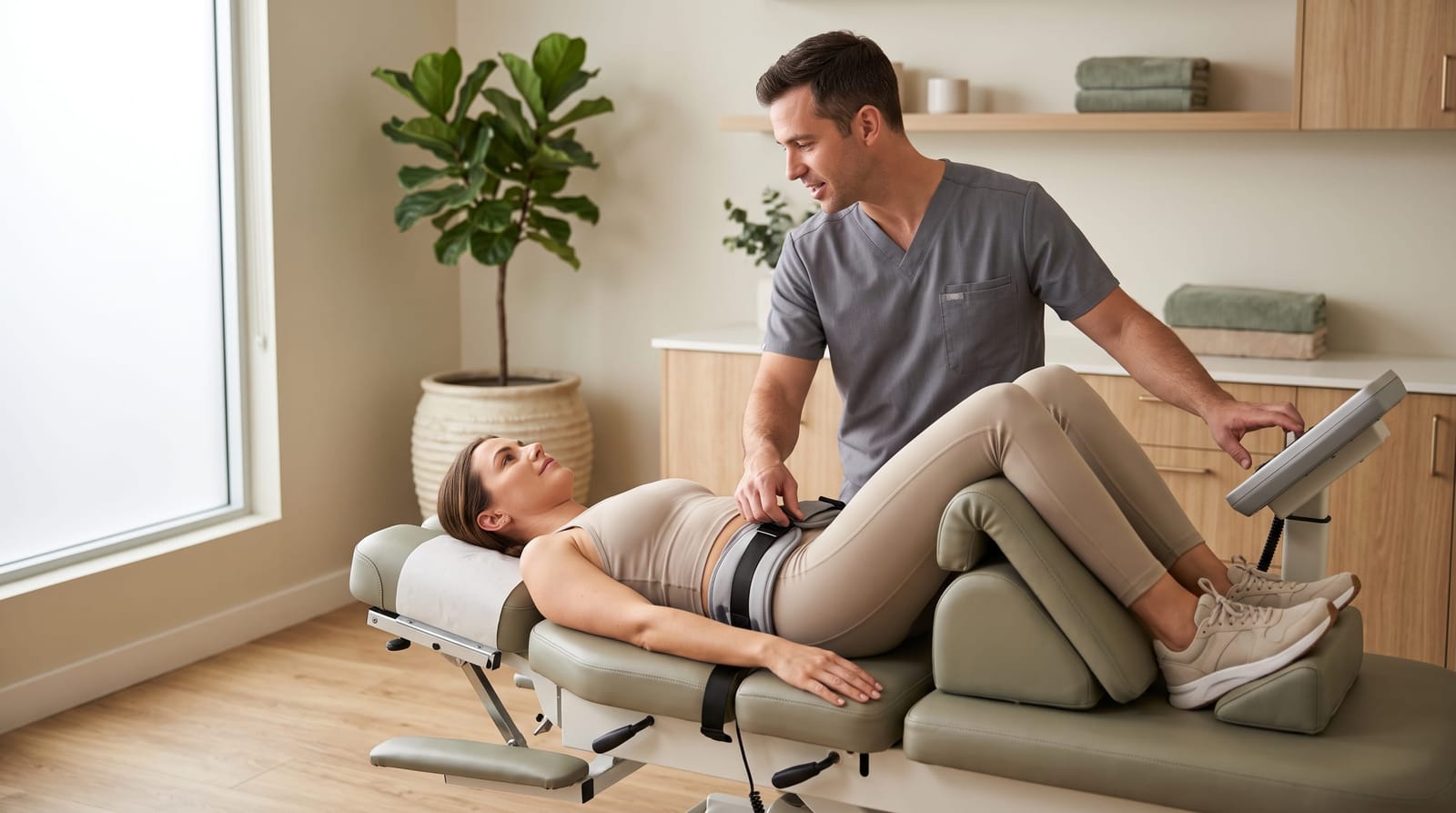
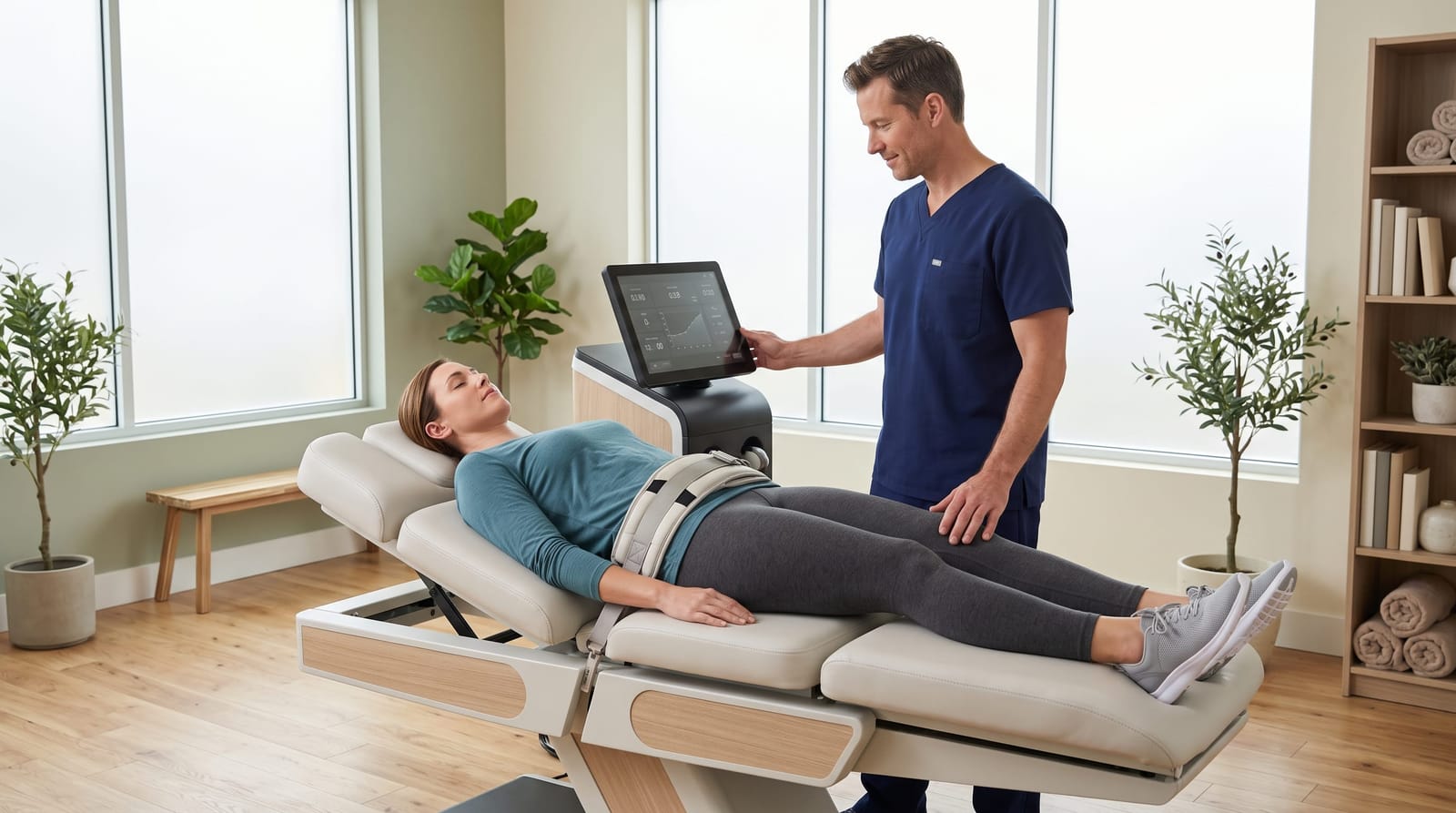
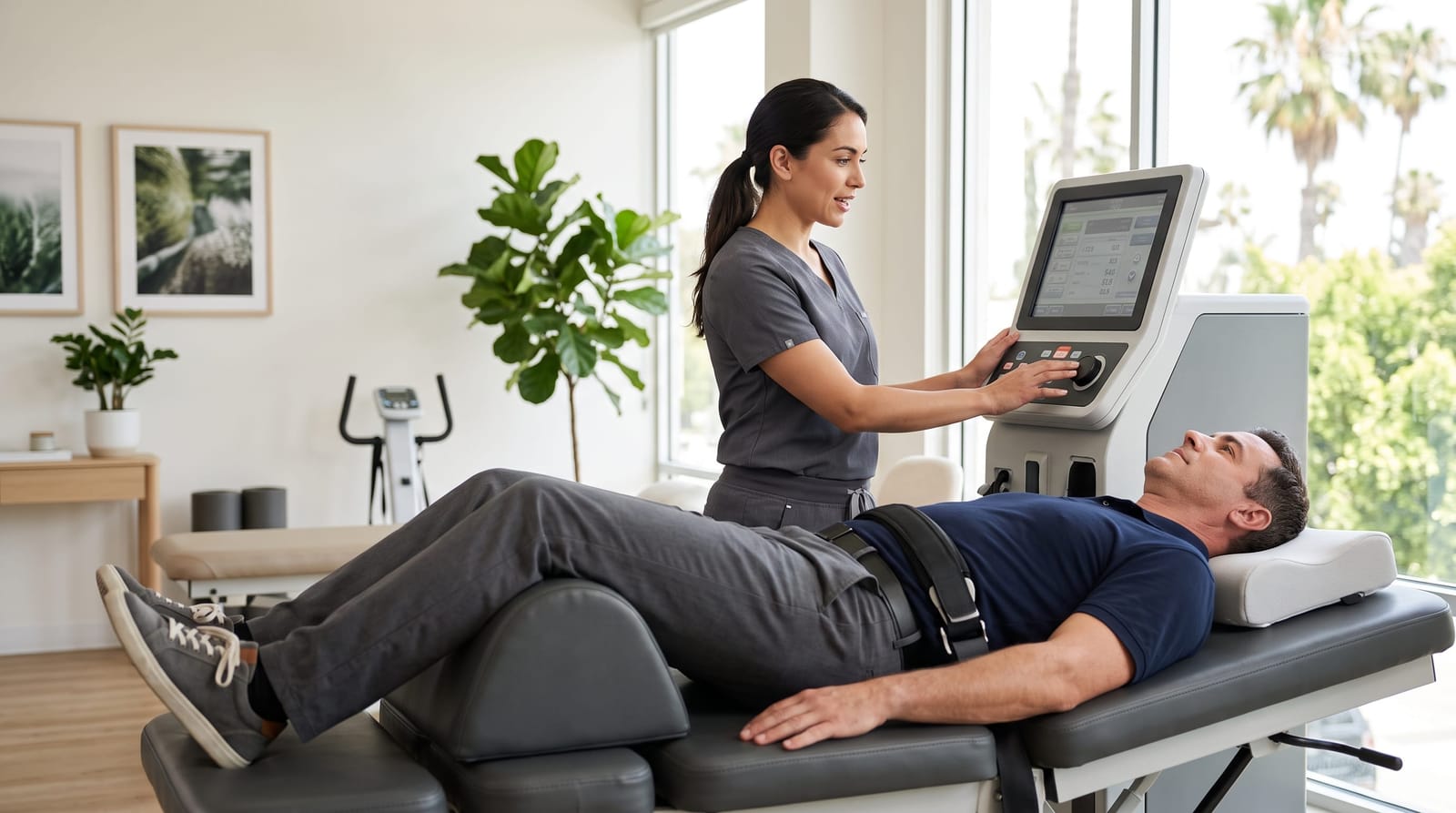
Completing a spinal decompression treatment program is a meaningful milestone, but for many patients, a natural question follows: now what? Understanding what to expect during spinal decompression recovery helps you protect the progress you've made, support long-term disc health, and feel confident moving forward. Whether you've just finished your final session on a computerized decompression table or you're planning ahead, this guide walks through the key phases of recovery, activity recommendations, lifestyle habits, and signs that may warrant a follow-up conversation with your care team.
Understanding the Spinal Decompression Recovery Timeline
Spinal decompression recovery is not a single moment: it's a gradual process that unfolds over days, weeks, and sometimes months. The body needs time to consolidate the improvements made during treatment, particularly when it comes to disc rehydration, reduced nerve pressure, and tissue healing around the spine.
For most people who have undergone non-surgical, computerized spinal decompression therapy, the immediate post-treatment period typically involves a combination of increased awareness of posture, some mild fatigue or muscle soreness, and gradual improvement in how the spine feels and moves. It's worth knowing that research on spinal decompression recovery, including post-surgical recovery studies, generally suggests that most individuals return to light daily activities within 2 to 4 weeks, with fuller functional recovery continuing over several months as the body adapts and strengthens.
Every person's recovery experience is unique and depends on factors like the specific condition being addressed, overall health, age, and how consistently they follow their care team's recommendations. Rather than measuring success against a fixed clock, focus on gradual, consistent progress.
At Prodigy Chiro Care, patients who complete their decompression program receive individualized guidance on what to expect at each stage, because a well-supported recovery is as important as the treatment itself.
Activity Recommendations: What to Do (and What to Avoid)
One of the most common questions during spinal decompression recovery is: how active should I be? The short answer is that thoughtful, guided movement is generally more helpful than complete rest, but the type and intensity of activity matters significantly.
Movements That Support Recovery
- Gentle walking: Low-impact and easy to control, walking encourages circulation and helps keep spinal structures mobile without placing excessive load on recovering discs.
- Supported stretching: Gentle, guided stretches, particularly those recommended by your care provider, can reduce stiffness and support flexibility as the spine adjusts.
- Core stabilization exercises: Strengthening the muscles that support the spine is widely recognized as a cornerstone of long-term spinal health. Studies on physiotherapy after decompression consistently highlight core stability work as one of the most effective tools for reducing re-injury risk.
- Swimming or aquatic movement: Water reduces gravitational load on the spine, making it an excellent option for patients easing back into activity.
Activities to Approach Carefully
- High-impact exercise (running, jumping) during early recovery phases
- Heavy lifting or carrying, especially with poor form
- Prolonged sitting without breaks: aim to stand or move every 30 to 45 minutes
- Twisting or bending movements that place asymmetrical stress on the lumbar spine
Always discuss your specific activity plan with your healthcare provider before returning to exercise or physically demanding work. What's appropriate at week two may look very different from what's appropriate at week eight.
Lifestyle Modifications to Protect Long-Term Disc Health
The habits you build after spinal decompression recovery can play a significant role in how well your results hold over time. Spinal discs are living structures: they respond to how you move, sit, sleep, and nourish your body every day.
Posture and Ergonomics
Poor posture is one of the most common contributors to disc stress and spinal discomfort. After completing decompression therapy, paying attention to seated posture, especially for those who work at desks for 6 to 8 hours a day, can meaningfully reduce strain on the lumbar and cervical spine. Ergonomic chairs, adjustable desks, and monitor positioning at eye level are practical starting points. Lumbar support cushions can also help maintain the natural curve of the lower back during long periods of sitting.
Hydration and Nutrition
Spinal discs are approximately 80% water when healthy, and they rely on adequate hydration to maintain their shock-absorbing function. Staying well-hydrated, typically 6 to 8 glasses of water per day for most adults, supports disc health on a cellular level. An anti-inflammatory dietary pattern, rich in vegetables, lean proteins, healthy fats, and whole grains, also supports the body's natural tissue maintenance processes.
Sleep Position
Sleep is when much of the body's recovery and repair work takes place. Sleeping on your back with a pillow under your knees, or on your side with a pillow between your knees, helps maintain spinal alignment during rest. Sleeping on your stomach is generally considered less supportive for spinal health and is worth discussing with your care provider.
Stress Management
Chronic stress contributes to muscle tension, particularly in the neck and upper back. Incorporating stress reduction practices, such as diaphragmatic breathing, mindfulness, or gentle yoga, can complement the physical aspects of spinal decompression recovery.
Maintenance Care: Keeping the Results Going
Many patients find that periodic maintenance visits after completing a full spinal decompression program help them sustain their progress and address minor changes before they become significant problems. Think of maintenance care the way you might think of regular dental check-ups: not because something is wrong, but because consistent attention prevents small issues from developing into larger ones.
Maintenance care schedules vary widely: some patients benefit from monthly check-ins, while others find that quarterly visits are sufficient. Your care team at Prodigy Chiro Care will typically recommend a schedule based on your specific case, lifestyle, and how your body has responded to treatment.
Maintenance visits may include spinal adjustments to support alignment, continued decompression sessions at reduced frequency, soft tissue work, or guided rehabilitation exercises. Research on chronic back conditions suggests that patients who engage in some form of ongoing maintenance care, including physiotherapy and spinal support, report better long-term outcomes than those who discontinue all care after their primary treatment phase.
Warning Signs That May Indicate a Need for Follow-Up Care
While spinal decompression recovery generally follows a positive trajectory, it's important to stay attentive to how your body feels over time. Certain changes may indicate that follow-up care or a consultation with your provider is appropriate.
Consider reaching out to your care team if you notice:
- A return of radiating pain, numbness, or tingling in the arms or legs
- Increased localized back or neck pain that doesn't respond to rest or gentle movement
- A notable change in your mobility or range of motion after a period of improvement
- New muscle weakness or difficulty with coordination
- Symptoms that seemed to resolve but have gradually returned over several weeks
These signs don't necessarily indicate a serious problem, but they are worth discussing with a qualified healthcare provider. Early attention to changes in symptoms tends to produce better outcomes than waiting. This content is educational in nature: please consult your care provider for guidance specific to your situation.
Frequently Asked Questions About Spinal Decompression Recovery
How long does spinal decompression recovery typically take?
Recovery timelines vary depending on the individual, the condition being treated, and whether care is surgical or non-surgical. For non-surgical computerized spinal decompression therapy, many patients notice meaningful improvement throughout their treatment program. General recovery research suggests that most people return to light daily activities within 2 to 4 weeks after completing treatment, with continued improvements unfolding over several months. Your care provider can give you a more personalized sense of what to expect based on your specific history.
Can I exercise during spinal decompression recovery?
Gentle, low-impact movement is generally encouraged during spinal decompression recovery. Activities like walking, guided stretching, and core stabilization exercises are commonly recommended by rehabilitation professionals. High-impact activities or heavy lifting should be introduced gradually and only with guidance from your care team. What's appropriate varies from person to person, so always discuss your exercise plans with your provider before resuming physical activity.
Is maintenance care after spinal decompression necessary?
Maintenance care isn't universally required, but many patients find it helpful for sustaining the improvements made during their primary treatment program. Periodic check-ins, whether monthly or quarterly, allow your care team to monitor spinal health, address minor changes, and reinforce healthy movement patterns before small issues progress. Whether maintenance care is right for you is a conversation worth having with your provider based on your specific condition and goals.
What lifestyle changes support spinal health after decompression treatment?
Several everyday habits can meaningfully support spinal health following decompression care. These include maintaining good posture during seated work, staying well-hydrated to support disc health, incorporating core-strengthening exercises into your routine, choosing supportive sleep positions, and managing chronic stress through mindfulness or breathing practices. Small, consistent changes tend to produce more lasting results than dramatic short-term efforts.
Supporting Your Spine for the Long Term
Spinal decompression recovery is a process: one that rewards patience, consistency, and attention to how your body responds over time. By following thoughtful activity guidelines, making meaningful lifestyle adjustments, and staying connected with your care team through periodic maintenance visits, you give your spine the best possible foundation for lasting wellness. If you're curious about how advanced computerized decompression technology supports better outcomes from treatment through recovery, explore our overview of advanced spinal decompression technology to understand the full picture of how this approach works. At Prodigy Chiro Care, we're here to support you at every stage of the journey.