Is Spinal Decompression Painful? What Patients Really Experience
If you've been researching spinal decompression therapy, there's a good chance one question has been sitting in the back of your mind: Is this going to hurt? It's one of the most common concerns patients bring up before their first session, and it's a completely fair one. When you're already dealing with back or neck discomfort, the last thing you want is a treatment that makes things worse. The short answer is reassuring: spinal decompression therapy is designed to be a gentle, comfortable experience. This guide walks you through exactly what patients typically feel, what's normal, and what to watch for.
What Spinal Decompression Actually Feels Like
One of the biggest misconceptions about spinal decompression is that "decompression" sounds intense, like something is being forcibly pulled apart. In reality, the sensation is far more subtle than most people expect.
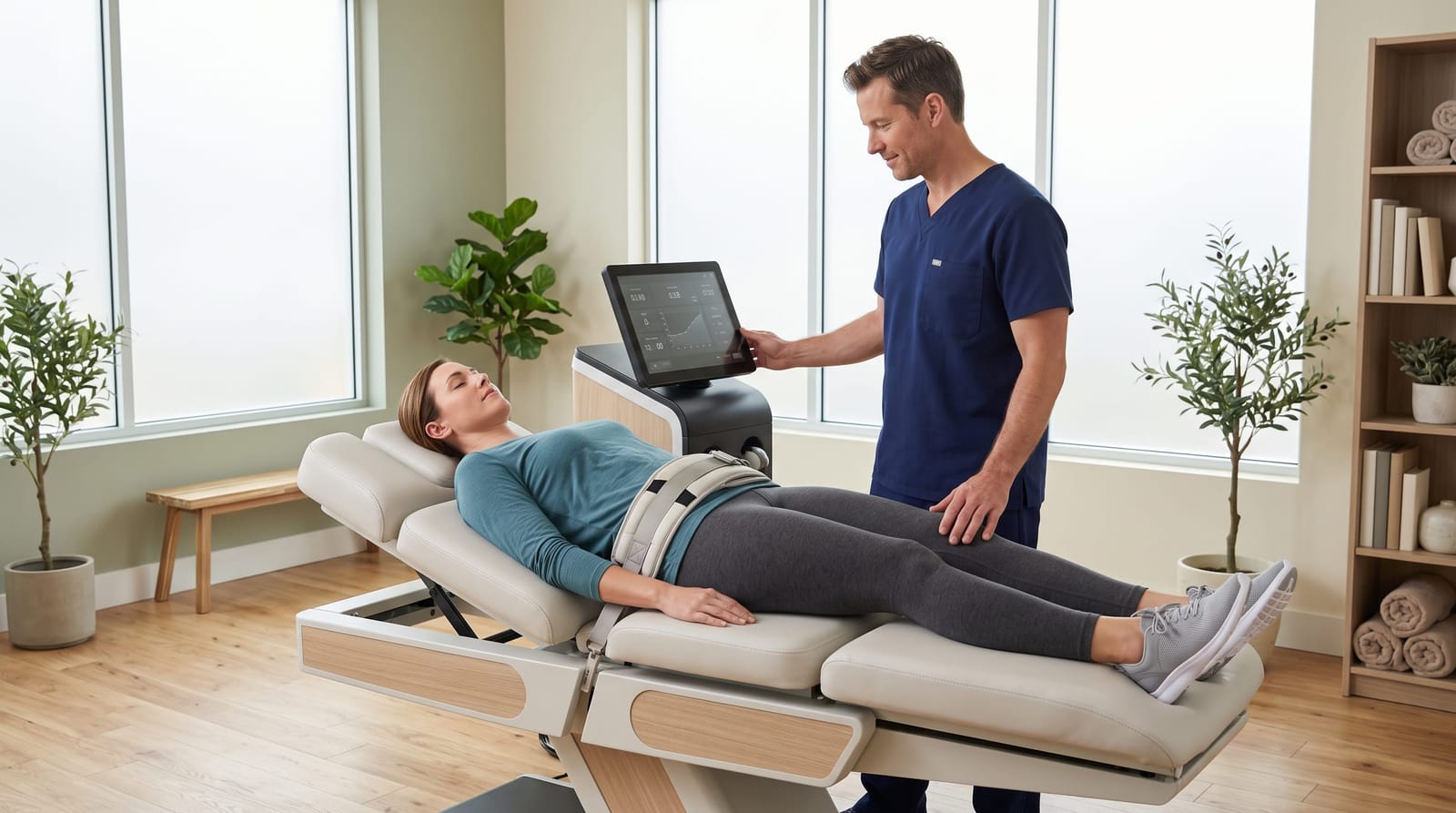
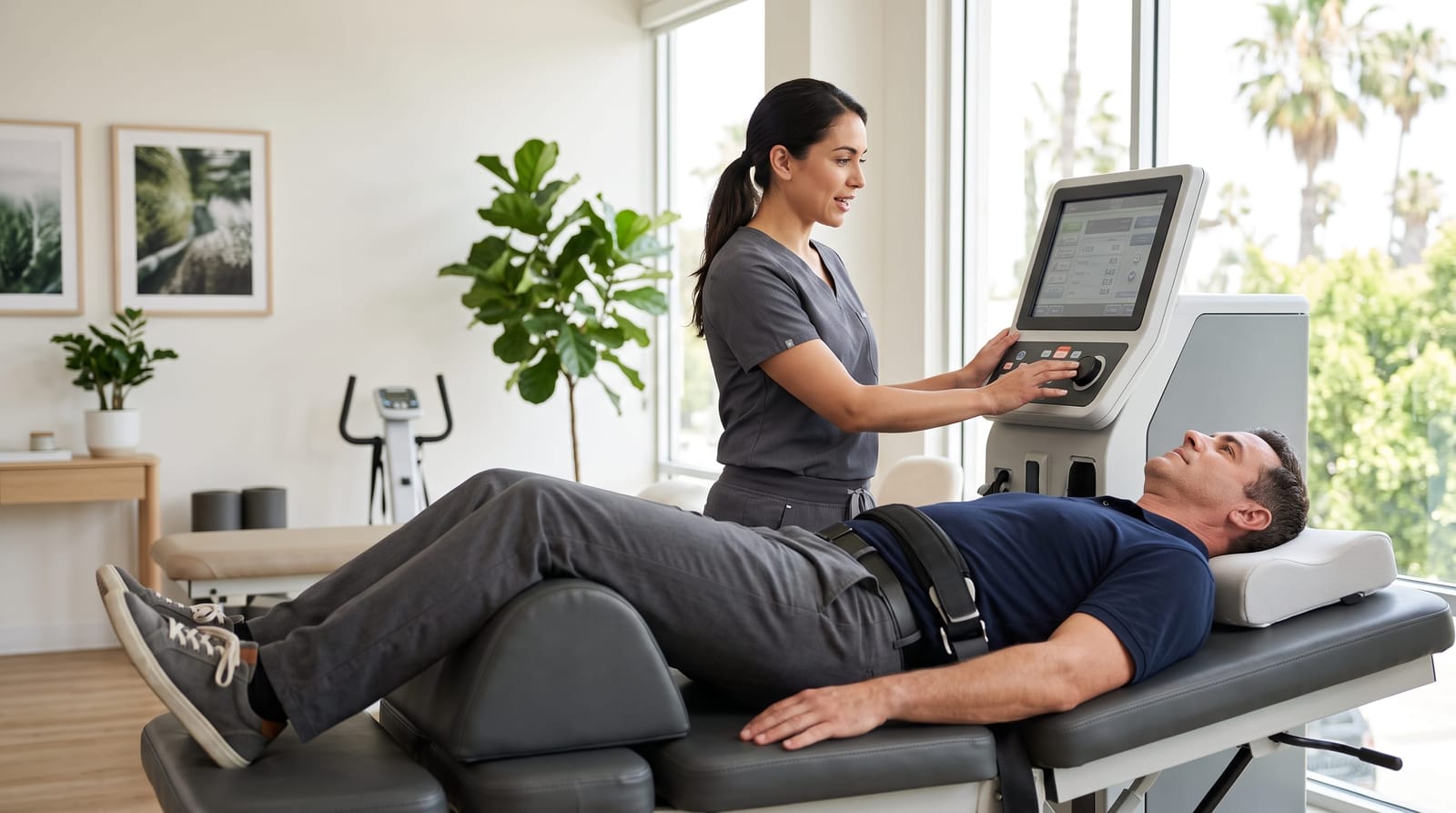
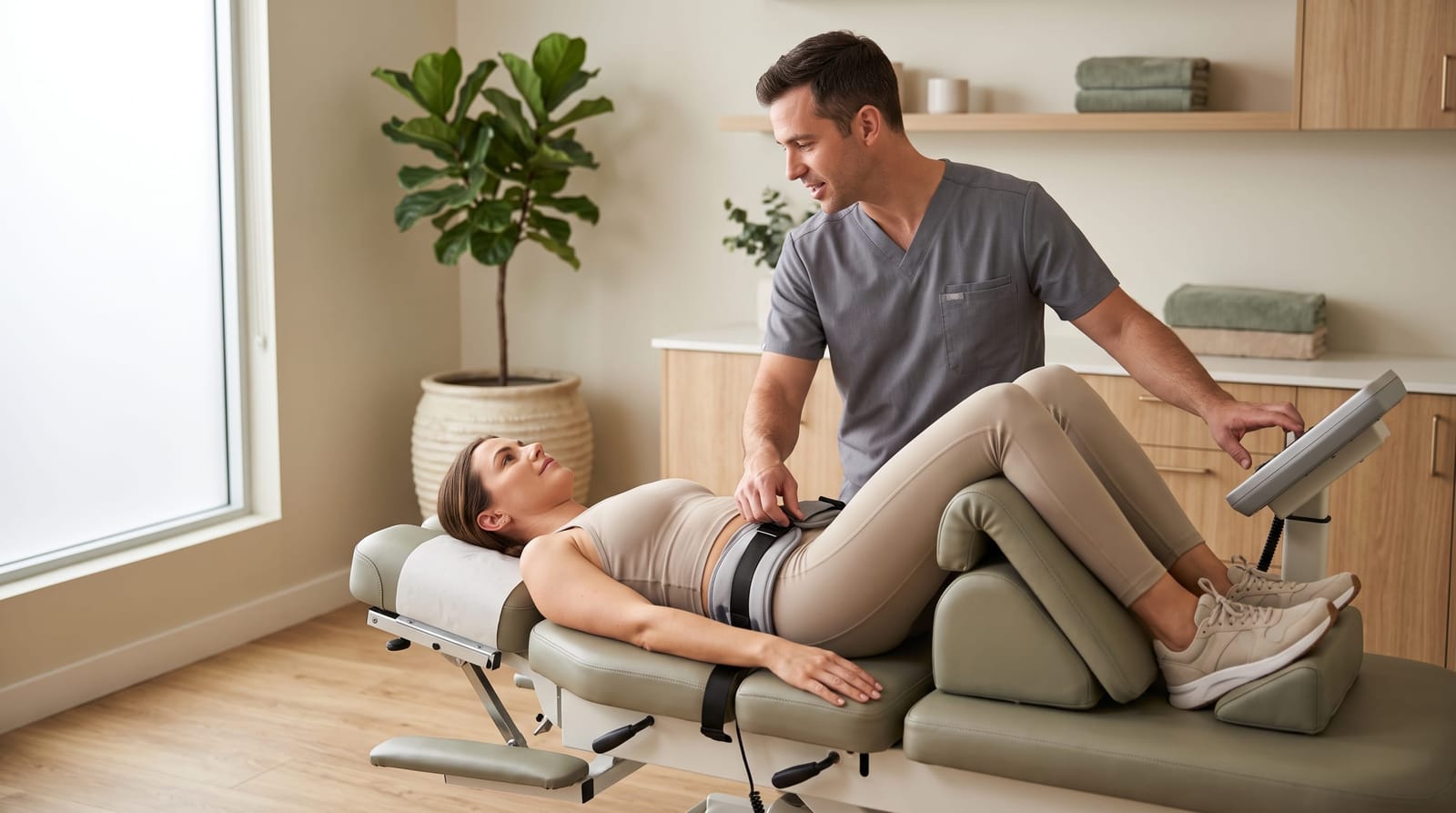
During a session, you lie comfortably on a specialized decompression table while a harness gently supports your pelvis or neck, depending on the area being treated. The table then creates a slow, controlled pulling motion: a process clinicians call traction distraction. This is not a sudden jerk or a sharp stretch. It's a gradual, rhythmic elongation that most patients describe in surprisingly mild terms.
Common words patients use to describe the sensation include:
- A gentle pulling or stretching feeling along the spine
- A sense of relief or "opening up" in the lower back or neck
- Mild pressure that cycles on and off in a relaxing rhythm
- A floating or weightless feeling during the session
Many patients are surprised to find the experience calming rather than uncomfortable. Some even doze off during treatment. That's a testament to how non-threatening the process is when performed on properly calibrated, modern equipment.
How Computerized Tables Help Keep Treatment Comfortable
Not all decompression equipment is created equal. One of the most important distinctions between basic traction devices and advanced computerized decompression tables is how precisely they can respond to your body in real time.
Older or simpler traction methods apply a fixed pulling force without any ability to sense or adjust based on patient feedback. Modern computerized decompression technology changes this entirely. These systems use sensors and precise programming to:
- Monitor tension levels throughout the session
- Automatically ease off if resistance or muscle guarding is detected
- Apply graduated force that increases gently over multiple sessions as your body adapts
- Cycle between distraction and relaxation phases to prevent muscle fatigue
This level of responsiveness is significant. It means the table isn't simply pulling at a fixed intensity regardless of how your body reacts: it's continuously adjusting. For patients who are nervous about their first session, this is one of the most reassuring aspects of treatment on advanced equipment. You're not at the mercy of a static machine; the technology is built to work with your body, not against it.
Understanding how this technology works is part of the bigger picture around advanced spinal decompression equipment and what makes computerized tables deliver better outcomes for the right candidates.
Normal Sensations vs. Sensations Worth Mentioning
Being informed about what's typical helps you feel confident going into treatment, and helps you communicate clearly with your care team if anything feels off.
Sensations That Are Generally Normal
- Mild muscle soreness after a session: Similar to the feeling after a light stretch or gentle exercise, some patients notice minor stiffness in the hours following treatment. This typically fades quickly.
- A subtle awareness of the treated area: You may feel more "in tune" with your spine after a session, which is normal heightened body awareness rather than pain.
- Temporary fatigue: The relaxation response during decompression can leave some patients feeling pleasantly tired afterward.
Sensations Worth Bringing Up With Your Provider
- Sharp or shooting pain during treatment: This is not a normal part of the decompression process and should be communicated to your provider immediately.
- Pain that intensifies rather than eases over a series of sessions: While some initial adjustment is possible, treatment should generally become more comfortable, not less.
- Numbness, tingling, or any new symptoms: Always let your care team know if you notice anything unfamiliar after a session.
The key takeaway: mild and temporary post-session awareness is a far cry from pain. True discomfort is not a built-in part of this therapy, and a good care team will always check in with you before, during, and after each session.
A Beginner's Session: What to Expect Step by Step
If you're approaching your first spinal decompression session, knowing what to expect can make a meaningful difference in how relaxed and comfortable you feel walking in.
- Initial consultation and assessment: Before treatment begins, a provider will review your health history and discuss your specific concerns. This is the time to ask questions and share any worries you have.
- Getting set up on the table: You'll remain fully clothed. A harness or support system is fitted around your hips or neck depending on the treatment area. The setup is straightforward and non-invasive.
- The decompression cycle begins: The table starts its gentle pull-and-release cycle. The force is introduced gradually: your provider will confirm you're comfortable before increasing to the target level.
- Settling in: Most sessions last between 20 and 30 minutes. Many patients find this to be the easiest part, often relaxing completely once they realize how gentle the experience is.
- Post-session check-in: After the session, your provider will talk with you about how things felt and what to expect in the following hours. This is also when you'd mention any sensations that felt unexpected.
First sessions are intentionally gentle, with treatment intensity calibrated based on your feedback over time. There's no pressure to push through discomfort: the process is collaborative from the start.
Frequently Asked Questions
Will I feel pain during my first spinal decompression session?
Most patients do not experience pain during spinal decompression therapy. The first session is typically the gentlest, with force levels introduced gradually. You may feel a mild stretching sensation, but sharp or intense pain is not a normal part of the process. If anything feels uncomfortable, let your provider know right away: adjustments can be made.
Is it normal to feel sore after spinal decompression?
Mild muscle soreness after a session is possible and generally considered a normal response, similar to how muscles might feel after light physical activity. This type of soreness is typically brief and tends to lessen as treatment progresses. Persistent or worsening discomfort after sessions is worth discussing with your provider.
How is computerized decompression different from manual traction?
Computerized decompression tables use sensor-driven technology to apply, monitor, and adjust tension in real time. This allows for precise, patient-responsive treatment that can ease off automatically if the body resists. Manual traction applies a more fixed force without this level of feedback, which is one reason advanced equipment is considered a meaningful upgrade in terms of comfort and precision.
What should I do if something feels wrong during a session?
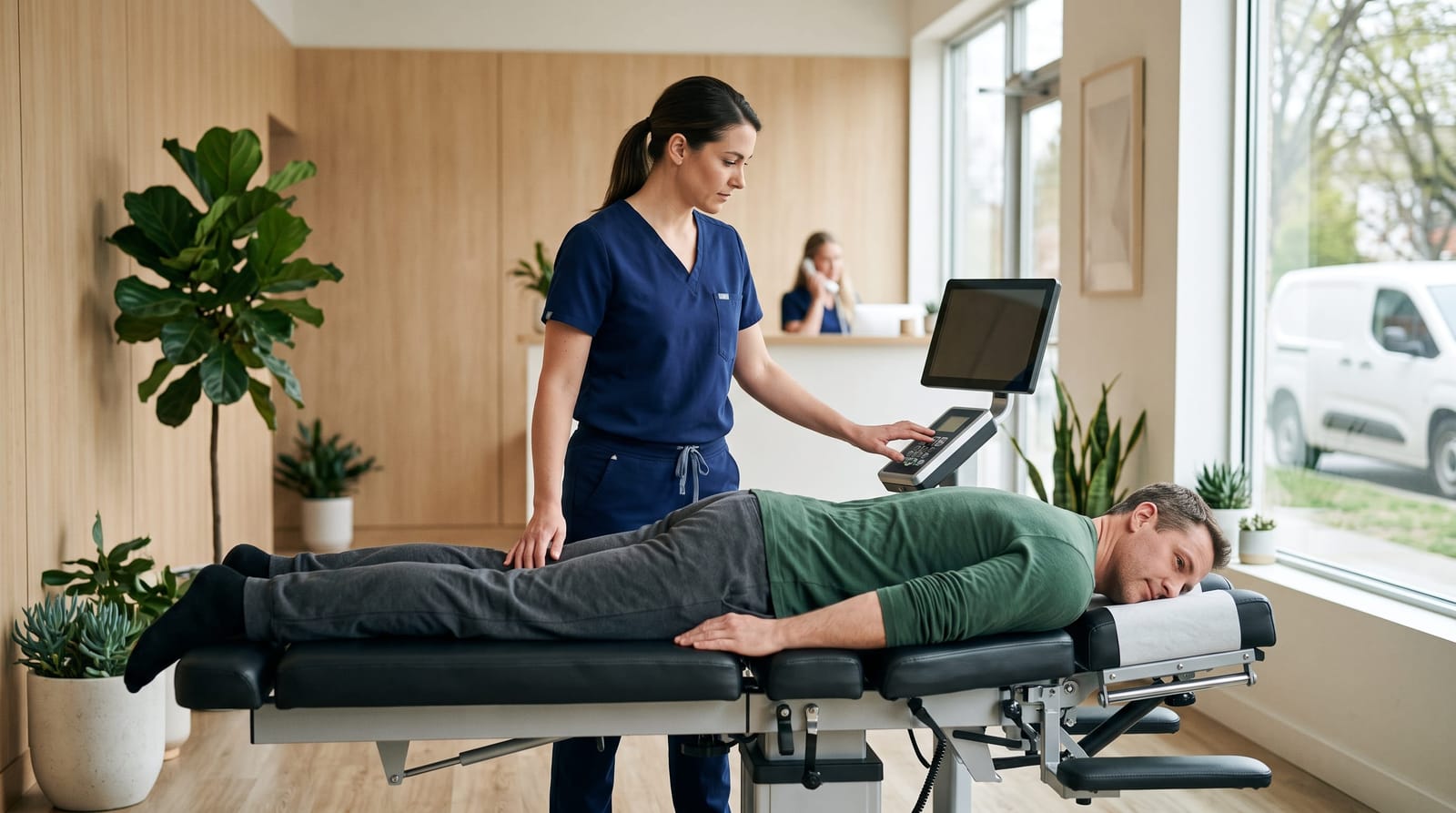
Simply speak up. Your provider is present to guide the session, and the equipment can be paused or adjusted immediately. Never feel like you need to stay silent through an uncomfortable experience. Clear communication between you and your care team is the most important factor in making each session as effective and comfortable as possible.
The Bottom Line
Spinal decompression therapy is intentionally designed to be a gentle experience. The combination of slow, rhythmic distraction forces and computerized self-regulation means the treatment works with your body rather than forcing it into submission. Most patients find sessions far more comfortable than they anticipated, and that comfort tends to improve as the body adapts over time. If you're considering whether this type of care might be a fit for your situation, speaking with a qualified provider is always the right first step. For a broader look at how the technology behind these treatments works, explore our overview of advanced spinal decompression technology and what makes computerized decompression tables different.
This content is intended for general educational purposes only and does not constitute medical advice. Please consult a licensed healthcare provider regarding your individual health needs and treatment options.