What to Look for in a Spinal Decompression Provider in Los Angeles
If you've been exploring options for back or neck discomfort, you've likely come across spinal decompression therapy, and you may have noticed that not all providers offer the same experience. As part of a broader conversation about computerized spinal decompression table technology and how it shapes treatment outcomes, this guide focuses on something equally important: how to actually evaluate the clinics offering this therapy in your area. Understanding what separates a high-quality provider from a basic one can make a meaningful difference in your experience. In the sections below, we'll walk through the key factors to consider, from equipment and expertise to session structure and cost transparency, so you can feel genuinely informed before you take your first step.
---Step 1: Start by Understanding What Spinal Decompression Actually Involves
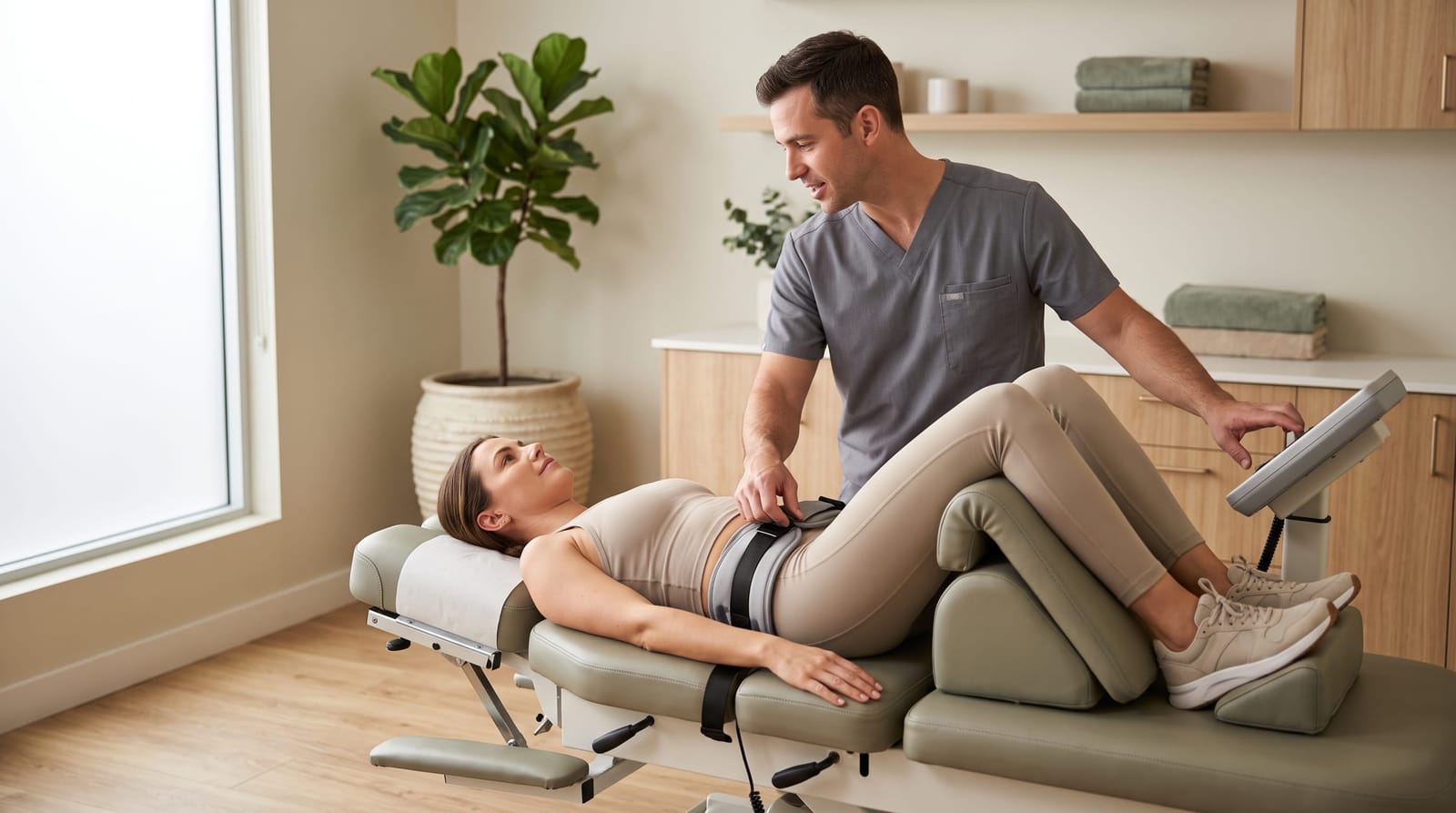
Before you can evaluate a provider, it helps to understand what you're evaluating them on. Spinal decompression therapy is a non-surgical approach that uses a specialized table to gently stretch the spine in a controlled, precise way. The goal is to create negative pressure along the spinal discs, which may help relieve pressure on surrounding nerves and support the body's natural recovery process.
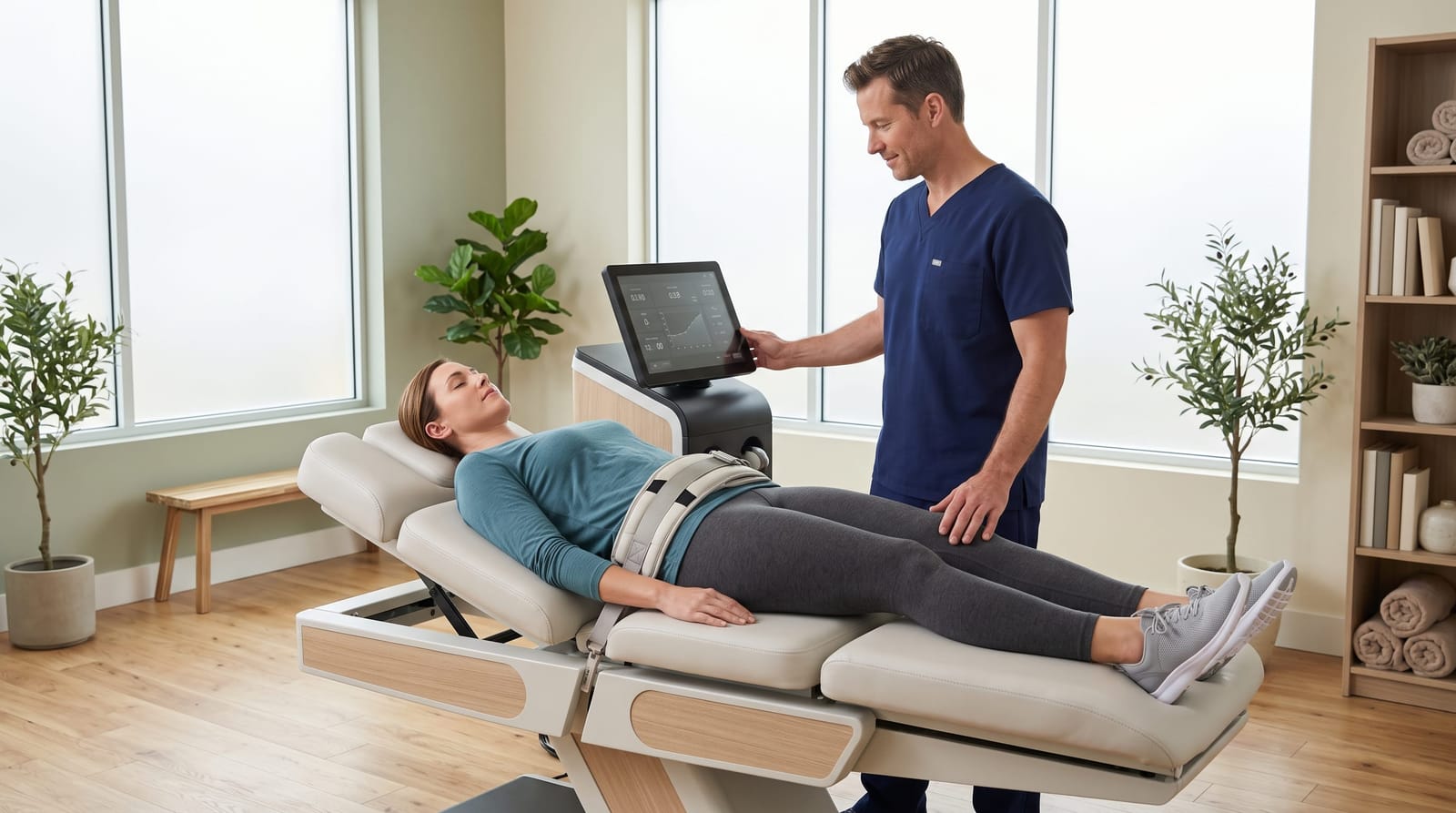
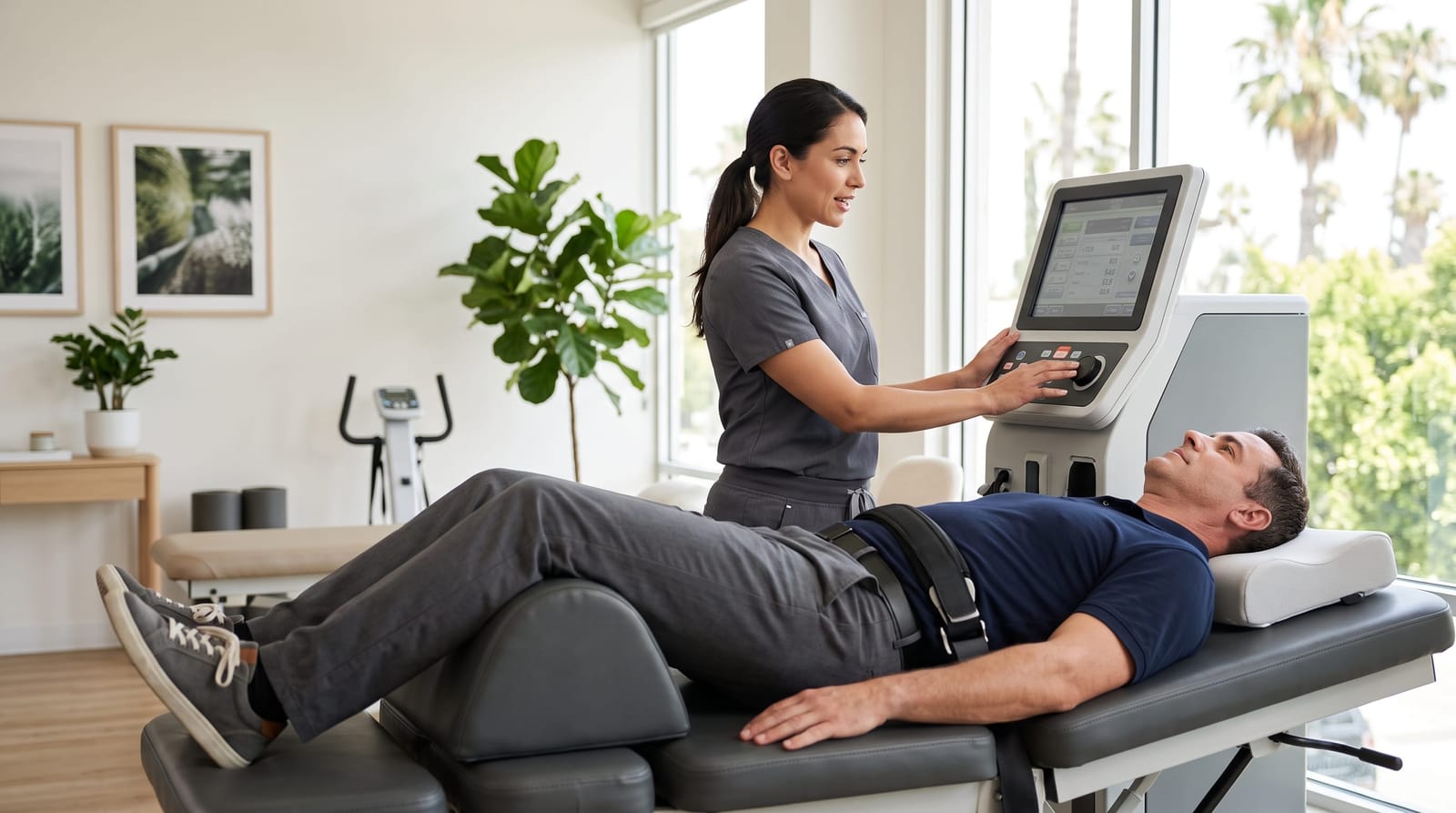
The keyword phrase here is "controlled and precise." Not all decompression systems work the same way. Older, manual traction equipment pulls at a fixed angle and force without any real-time adjustment. Modern computerized decompression tables, by contrast, use sophisticated feedback mechanisms to continuously monitor and adapt the treatment as your body responds.
Why This Distinction Matters for Your Search
When you start calling clinics or browsing websites, you'll encounter terms like "traction," "decompression," and "spinal therapy" used almost interchangeably. They're not the same thing. Understanding the difference between manual traction and computerized decompression will immediately help you ask better questions and identify which providers are using genuinely advanced equipment versus older, simpler methods. If you'd like to go deeper on this, our post on computerized spinal decompression technology breaks down the mechanical differences in plain language.
---Step 2: Evaluate the Equipment: This Is Non-Negotiable
Equipment quality is one of the single most important factors in spinal decompression therapy, yet it's also one of the least talked about in patient-facing conversations. Many clinics advertise "spinal decompression" without specifying what system they use. When you're researching providers, ask directly: what decompression table do you use, and how does it work?
What to Look for in a Decompression Table
- Computer-controlled tension settings: The table should adjust force in real time based on patient response, not apply a fixed pull throughout the session.
- Patented decompression algorithms: The best systems use proprietary treatment protocols that have been developed and refined over years of clinical application.
- Precise angle and distraction control: Different disc levels require different angles of pull. A quality system allows for this customization.
- Recognized equipment brands: Systems like the DRX9000 are examples of purpose-built, hospital-grade decompression tables designed specifically for spinal therapy, not adapted traction devices.
If a clinic can't answer detailed questions about their equipment, that's useful information in itself. Providers who invest in premium technology are typically proud of it and happy to explain what sets their approach apart.
Red Flags to Watch For
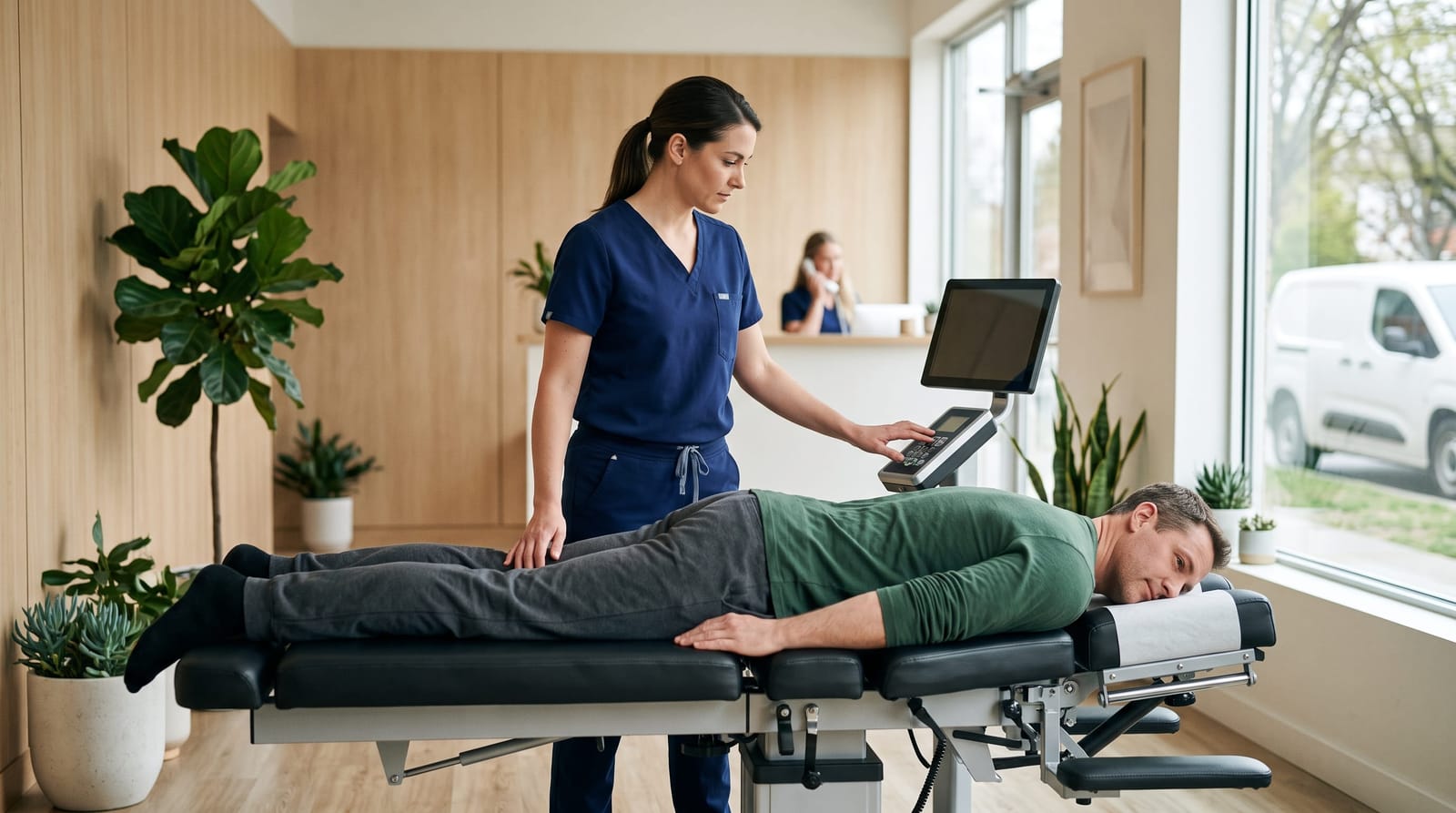
Be cautious of clinics that describe their service as "decompression" but use a simple inversion table, a basic traction unit, or a general physical therapy device. These approaches are not equivalent, and the distinction can significantly affect your experience and comfort level during treatment.
---Step 3: Look at Provider Experience and Clinical Background
Technology matters, but so does the person guiding your care. When evaluating a spinal decompression provider in Los Angeles, take time to research the clinical team's background. How long have they been practicing? Do they have specific training in decompression therapy? Have they worked with a range of patients across different conditions and histories?
Experience shapes everything from how a provider customizes your treatment plan to how they respond when something feels off during a session. A newer practice might have excellent equipment but limited hands-on clinical experience with the nuances of decompression therapy. Conversely, a long-established clinic brings years of patient case knowledge that no training course can fully replace.
What 26 Years of Experience Looks Like in Practice
At Prodigy Chiro Care, our team brings over 26 years of clinical experience to every patient interaction. That depth of practice means we've worked with a wide variety of patient profiles, and we know how to customize a care plan based on your specific history, lifestyle, and goals. We don't apply a one-size-fits-all approach because no two patients are the same. Our experience also means we're well-versed in the equipment we use and can explain every aspect of your treatment in clear, straightforward terms.
When speaking with any provider, ask how long they've been offering spinal decompression specifically, not just chiropractic care in general. The two require different training and clinical approaches.
---Step 4: Understand Session Structure and Treatment Planning
One session of spinal decompression is not a complete treatment. This is an important reality to understand before you begin your search. Effective decompression therapy typically involves a series of sessions over several weeks, and any reputable provider will outline a structured treatment plan rather than selling single appointments with no context.
What a Thoughtful Treatment Plan Includes
- An initial evaluation to assess your specific situation and history
- A recommended number of sessions based on your individual needs
- Clear milestones or check-ins to assess how you're responding
- Complementary therapies where appropriate (such as chiropractic adjustments or soft tissue work)
- Transparent communication about what to expect at each stage
Be thoughtful about providers who offer only vague timelines or who can't explain the reasoning behind the number of sessions they recommend. A quality clinic will be able to walk you through their approach and help you understand what each phase of care is designed to accomplish.
Not Sure If You're a Candidate?
Before committing to any treatment plan, it's worth learning whether spinal decompression is the right fit for your situation. Our guide to identifying a strong spinal decompression candidate covers the key factors clinicians consider when evaluating whether this therapy is appropriate: helpful reading before your first consultation.
---Step 5: Ask About Spinal Decompression Cost in Los Angeles: and Expect Transparency
Spinal decompression cost in Los Angeles varies more than many patients expect. Based on current market data, individual sessions typically range from around $50 to $250, and full treatment plans can range anywhere from approximately $1,500 to $7,500 depending on the clinic, the equipment used, the length of the program, and what's included in the overall care package. Some clinics offer introductory specials: first visit offers starting as low as $149 are not uncommon in the LA market.
These ranges are wide, which means cost alone is not a reliable indicator of quality. A higher price doesn't always mean better care, and a lower price doesn't automatically mean substandard service. What matters more is what's included, and whether the clinic is upfront about it.
Questions to Ask About Pricing Before You Commit
- What does the quoted price include, just the decompression sessions, or the full evaluation and any additional therapies?
- Are there packages or program pricing options, and what do they cover?
- Is the initial consultation or evaluation billed separately?
- What happens if you need additional sessions beyond the initial plan?
- Are there any fees that aren't immediately obvious from the website or initial quote?
A trustworthy provider will answer these questions clearly without making you feel pressured. Transparent pricing is a hallmark of a clinic that respects its patients' time and budget. If a clinic is reluctant to discuss costs openly, or if pricing feels vague or inconsistent, it's worth proceeding with caution.
Value vs. Price: A More Useful Framework
Rather than searching purely for the lowest spinal decompression cost in Los Angeles, consider what value looks like for your situation. A clinic offering advanced computerized equipment, an experienced clinical team, a clearly structured treatment plan, and transparent pricing may represent significantly better value than a lower-cost alternative with older equipment and less guidance. Think of it as an investment in your wellbeing, and evaluate accordingly.
---Step 6: Consider the Full Patient Experience
Beyond equipment and cost, the overall experience of care matters more than patients often expect. How a clinic communicates, from your first phone call through your treatment sessions, tells you a great deal about how they approach patient care.
Look for a provider that takes time to listen, explains your options without pressure, answers your questions thoroughly, and feels like a genuine partner in your wellness journey rather than a transaction. Comfort during treatment is also worth considering: a good provider will check in throughout your sessions and make adjustments based on how you're feeling.
Practical Factors Worth Considering
- Location and accessibility: In a city like Los Angeles, proximity matters. A clinic that's difficult to reach may lead to missed appointments, which disrupts your progress.
- Scheduling flexibility: Can they accommodate your work schedule? Consistent attendance is important for a structured treatment plan.
- Communication style: Do they speak to you clearly and without excessive jargon? A good provider makes sure you understand your own care.
- Reviews and reputation: Patient reviews can offer real insight into the experience others have had. Look for consistent themes across multiple reviews rather than focusing on any single comment.
Related Topics Worth Exploring
If you're just beginning your research into spinal decompression, a few additional topics can help round out your understanding. Learning more about the specific technology behind computerized decompression systems will help you ask better questions at consultations. Understanding the difference between modern computerized tables and older traction methods: covered in our deep dive on computerized spinal decompression table options: gives you a useful lens for evaluating any clinic you visit. And if you're wondering whether this type of therapy is appropriate for your specific situation, a qualified provider can help you think through that during an initial consultation.
---Final Thoughts: Making a Confident, Informed Choice
Choosing a spinal decompression provider in Los Angeles doesn't have to feel overwhelming. When you know what to look for, advanced equipment, experienced clinicians, a structured treatment approach, and honest cost transparency, the evaluation process becomes much more manageable. Understanding typical spinal decompression cost in Los Angeles also helps you enter any conversation with realistic expectations and the confidence to ask the right questions.
At Prodigy Chiro Care, we're committed to making this process as clear and comfortable as possible. With over 26 years of clinical experience and access to advanced computerized decompression technology not found at many standard chiropractic offices, we're here to help you explore whether this approach is right for your wellness goals. We'd be glad to answer your questions and walk you through what care at our clinic looks like: no pressure, just information.
Ready to learn more? Contact Prodigy Chiro Care today to schedule a consultation and see our technology for yourself.