How Long Do Custom Orthotics Last for Active Professionals?
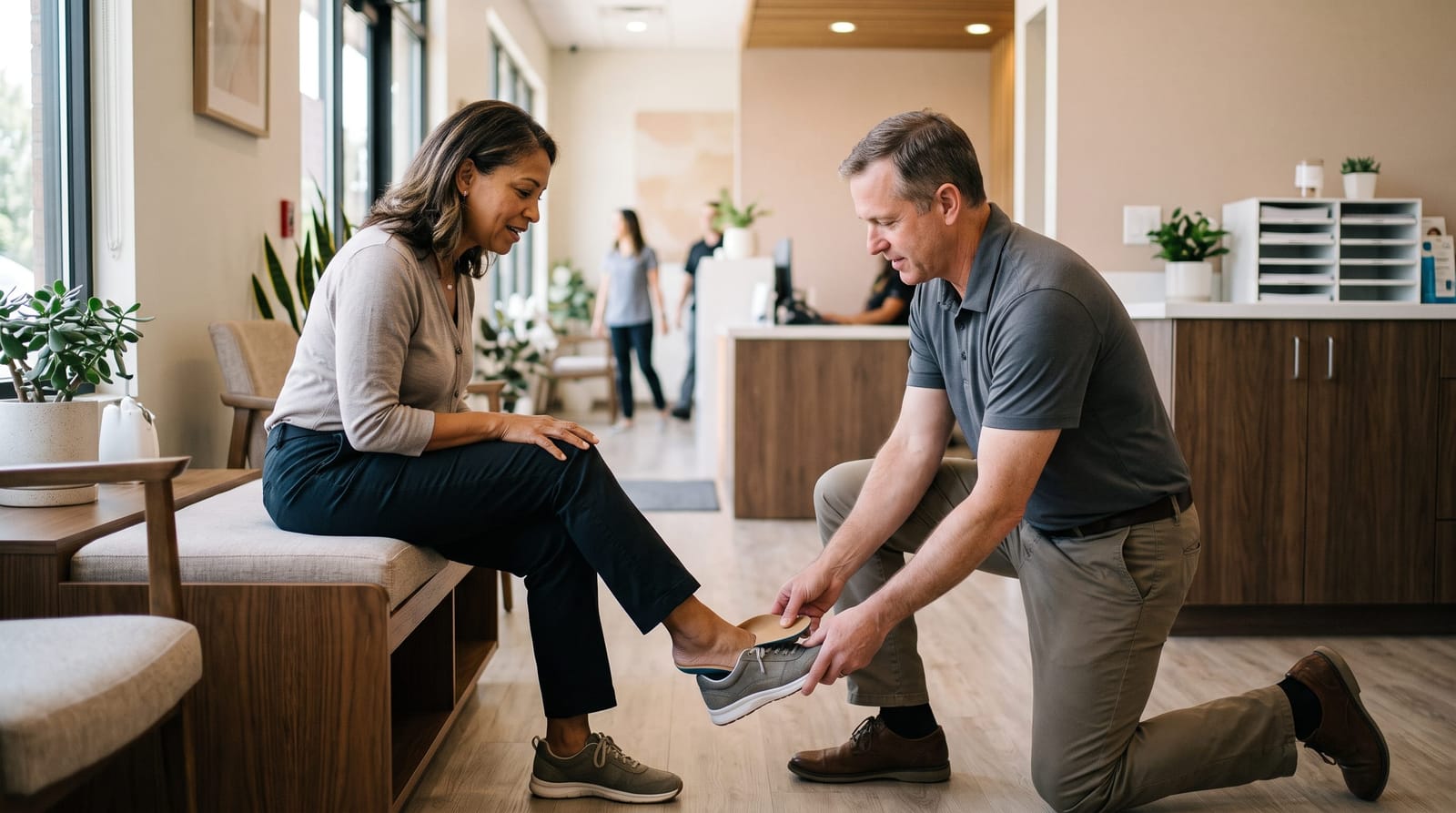
If you're weighing the decision to invest in custom orthotics, one of the most practical questions you can ask is: how long do custom orthotics last? The answer shapes everything from how you budget for replacements to how you plan your footwear routine across gym sessions, office days, and weekend travel. This guide walks through realistic lifespan expectations based on material type and activity level, the signs that your orthotics are losing their effectiveness, and how lifestyle factors unique to active West LA professionals affect longevity, so you can make a confident, well-informed decision.
What the Research Says: Expected Lifespan of Custom Orthotics
The most consistent guidance from orthotic specialists is that custom orthotics last between two and five years for most users. That range is wide because lifespan varies significantly based on material quality, how frequently you wear them, the types of surfaces you move across, and how well you maintain them between uses.
A few benchmarks worth knowing:
- Rigid or semi-rigid orthotics made from carbon fiber or hard plastics tend to hold their structural shape longer, often closer to the four-to-five-year end of the range.
- Soft orthotics made from foam, cork, or flexible composites typically experience compression and wear closer to the two-to-three-year mark, especially under high-activity conditions.
- For users who alternate orthotics across multiple pairs of shoes daily, wear accumulates faster: the functional lifespan may be shorter even if the orthotic looks intact on the surface.
It's also worth noting that the cushioning and top-cover materials on orthotics often wear out before the structural shell does. The visible surface may show significant wear while the corrective structure beneath is still functional, and the reverse can be true as well. That's why visual inspection alone isn't always a reliable indicator of whether your orthotics are still doing their job.
How Activity Level Affects How Long Custom Orthotics Last
For active professionals in West LA, daily life often involves more footwear transitions than the average user. A typical weekday might include dress shoes or loafers during client meetings, a midday run or gym session in athletic shoes, and casual sneakers for the commute. That kind of rotation creates a specific set of demands on custom orthotics that doesn't apply to someone wearing one pair of shoes in one type of environment all day.
High-impact activities accelerate wear in predictable ways. Running, HIIT training, and court sports place repetitive compressive force on orthotics: particularly in the heel and forefoot zones. Research suggests that runners who log 40 or more miles per week may notice meaningful compression changes in soft orthotic materials in as little as 12 to 18 months. By contrast, a professional who primarily wears their orthotics during sedentary office hours may find the same pair holds up well for four years or more.
Switching orthotics between shoe types also matters. Athletic footwear is designed with specific volume and flex patterns that differ from dress shoes. Orthotics that are moved repeatedly between shoe categories may be compressed or bent in ways they weren't designed for, which can shorten their functional life and reduce their corrective precision over time.
Signs Your Custom Orthotics Are Wearing Out
Knowing the general lifespan is helpful, but it's equally important to recognize the real-world signals that your orthotics are no longer providing the support they once did. These signs are often subtle at first, which is why many people use orthotics for longer than they should without realizing performance has declined.
Watch for these indicators:
- Visible compression or uneven wear: If the heel cup appears flattened or the arch area has noticeably thinned, the material has likely lost its supportive properties.
- Return of discomfort you hadn't felt in a while: One of the most reliable signals is when familiar foot fatigue, lower back tension, or hip discomfort begins to creep back after a period of feeling well-supported.
- Changes in your footwear fit: Orthotics that have compressed may feel thinner inside your shoes, causing the fit to feel looser or less responsive than it used to.
- Cracking, delamination, or surface breakdown: Physical deterioration of the top cover or shell is a clear sign that the orthotic's integrity has been compromised.
- Reduced performance during activity: Athletes often notice first: a subtle change in how their foot strikes during runs, or increased fatigue during workouts that used to feel manageable.
If you're experiencing any of these signs, it's worth scheduling an evaluation with your provider rather than waiting for an annual check-in. Early assessment can prevent small adjustments from becoming larger issues.
Building a Replacement and Refresh Cycle That Fits Your Lifestyle
For most active professionals, a proactive replacement and maintenance cycle makes more sense than waiting for obvious failure. Here's a practical framework:
Annual Check-Ins
Even if your orthotics feel fine, having them evaluated once a year allows your provider to assess structural integrity, check for material compression, and identify whether your gait or foot biomechanics have shifted enough to warrant an adjustment. Bodies change: particularly for athletes or individuals who've changed their activity load, footwear habits, or work environment over the past year.
Top-Cover Replacements
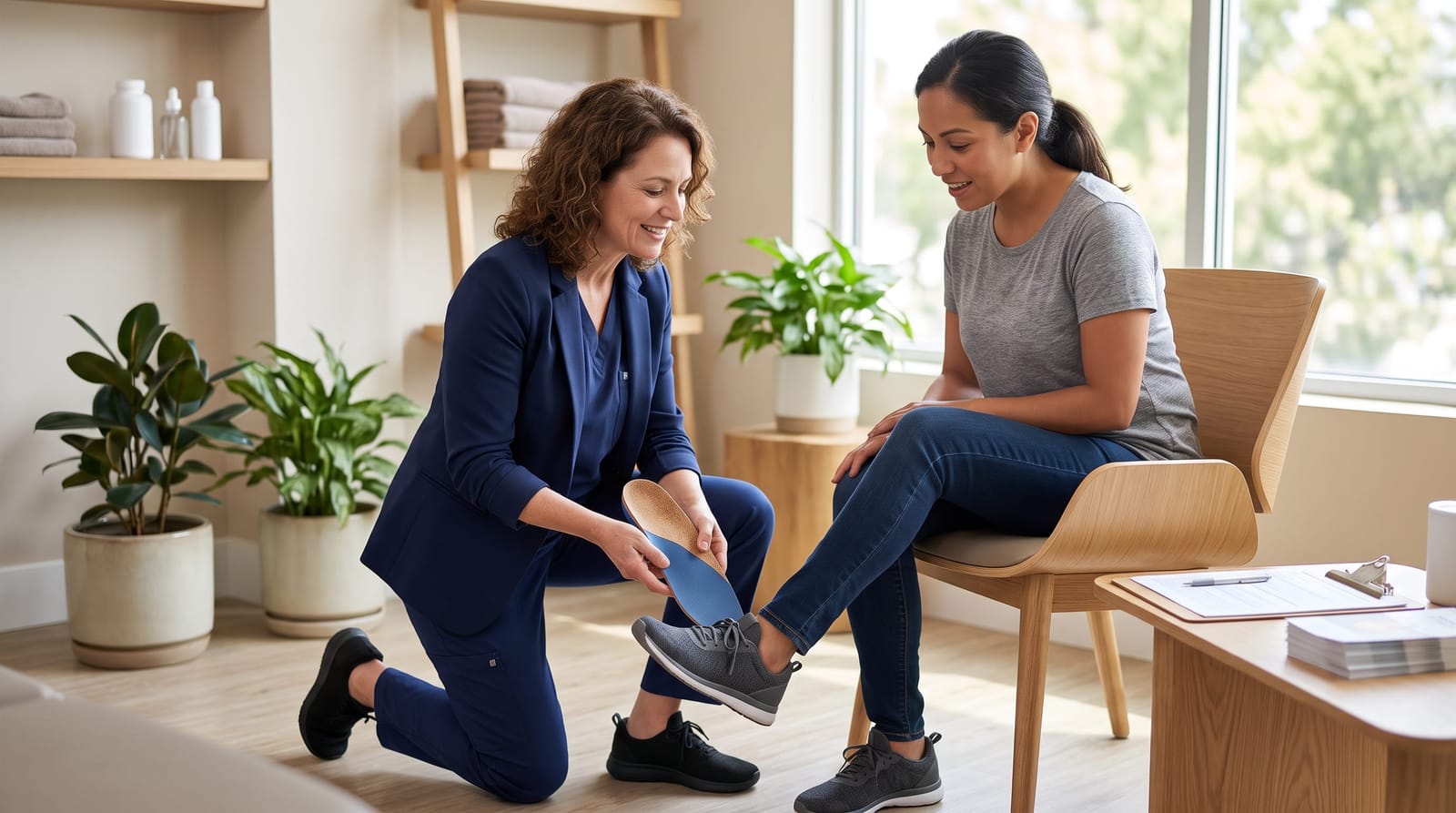
In many cases, the structural shell of a custom orthotic remains sound while the top-cover material wears out first. A top-cover replacement, which is less costly and quicker than a full remake, can extend the functional life of a well-constructed orthotic shell by one to two additional years. This is a particularly useful option for active users who want to defer a full replacement without sacrificing comfort or hygiene.
Multiple Pairs for Multiple Activities
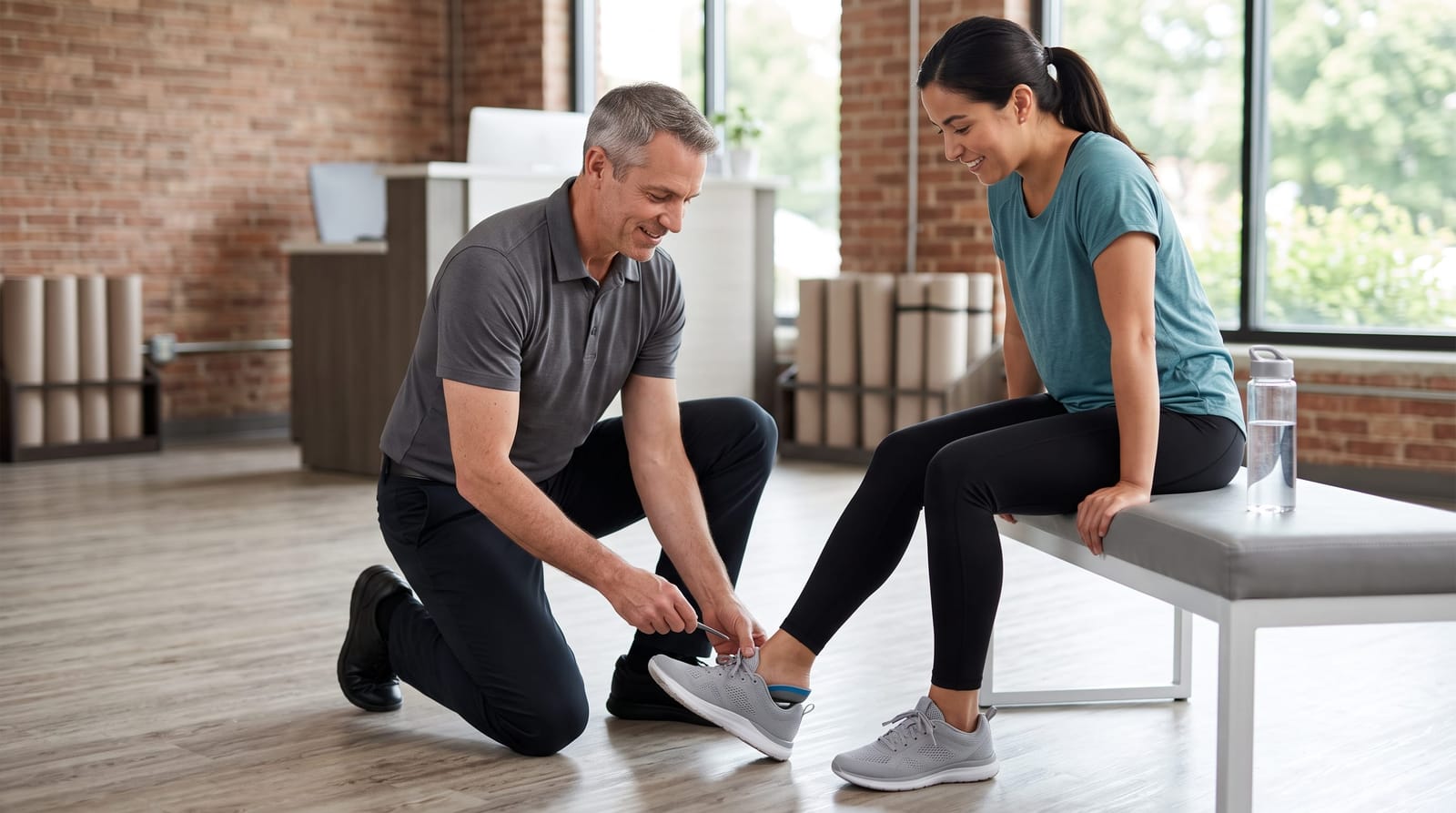
Some active professionals benefit from having two sets of orthotics: one optimized for athletic footwear and one tailored to dress or business-casual shoes. This approach reduces the wear on each pair, extends overall longevity, and ensures that the orthotic's fit and function are appropriate for each footwear environment rather than a compromise between them.
Full Replacement Timeline
As a general guideline, most active users should plan to evaluate the need for full replacement every two to three years, with less active wearers potentially extending that to four to five years. Your provider can give you a more specific recommendation based on your actual wear patterns and materials.
Lifestyle Factors That Influence Orthotic Longevity in West LA
A few habits specific to busy, active professionals are worth calling out because they directly affect how long custom orthotics last in real-world conditions.
Travel frequency: Frequent travelers who walk extensively through airports, conference venues, or urban environments accumulate higher-than-average step counts, which accelerates wear on both the orthotic and the shoe.
Shoe hygiene: Orthotics retain moisture from sweat, which over time degrades adhesives, top covers, and softer materials. Allowing orthotics to air dry fully between uses, and rotating them across multiple pairs, meaningfully extends their lifespan.
Heat exposure: Leaving shoes in a hot car, direct sunlight, or near heat vents can warp thermoplastic orthotic shells. This is a surprisingly common issue in Southern California's climate and can compromise structural integrity even on a relatively new pair.
Weight and activity changes: Significant changes in body weight or a shift in activity type, say, transitioning from running to cycling, or adding a standing desk after years of sedentary work, can alter the biomechanical demands on your orthotics enough that the original design may no longer be the best fit for your current lifestyle.
Frequently Asked Questions
How long do custom orthotics last compared to over-the-counter insoles?
Over-the-counter insoles typically last anywhere from three to six months under regular use before they lose their shape and cushioning. Custom orthotics, by contrast, generally last two to five years when properly cared for, and because they're fabricated to your specific foot structure, they maintain meaningful corrective function throughout that period rather than simply providing generic cushioning that compresses quickly.
Can custom orthotics be repaired instead of fully replaced?
In many cases, yes. Top-cover replacements, minor shell adjustments, and reposting (adding material to correct heel or forefoot angles) can restore much of an orthotic's function without the cost or timeline of a full remake. Whether repair is appropriate depends on the condition of the structural shell and whether your biomechanical needs have changed since the orthotics were originally made. Your provider can assess which option makes the most sense.
Do custom orthotics last longer if I only wear them occasionally?
Wear frequency does affect lifespan: lower usage generally extends the life of the materials. However, orthotics that are stored improperly between infrequent uses (exposed to heat, humidity, or compression in a bag) can degrade despite low wear. Consistent, regular use with proper storage and airing tends to be better for the materials over time than sporadic use with poor storage habits.
How do I know if it's time for new orthotics versus just new shoes?
This is a common question and a good one. Shoes and orthotics both wear out, and the symptoms can overlap. If you replace your footwear and the discomfort or fatigue persists, the orthotics are worth evaluating. Conversely, if your orthotics look structurally sound but your shoes are heavily worn, the shoe itself may be the issue. An orthotic specialist can help distinguish between the two during a routine evaluation.
Planning Ahead with Confidence
Understanding how long custom orthotics last gives active professionals the information they need to plan ahead without guessing. For most people, a two-to-five-year lifespan with annual check-ins, occasional top-cover refreshes, and smart lifestyle habits is a realistic and manageable cycle. The goal isn't to squeeze every possible month out of a pair: it's to stay supported, comfortable, and performing well across everything your day demands. When you're ready to explore what a custom orthotic solution looks like for your specific lifestyle and footwear routine, our team at Prodigy Chiro Care is here to walk through it with you.