Spinal Decompression vs Surgery: Comparing Non-Surgical and Surgical Treatment Options
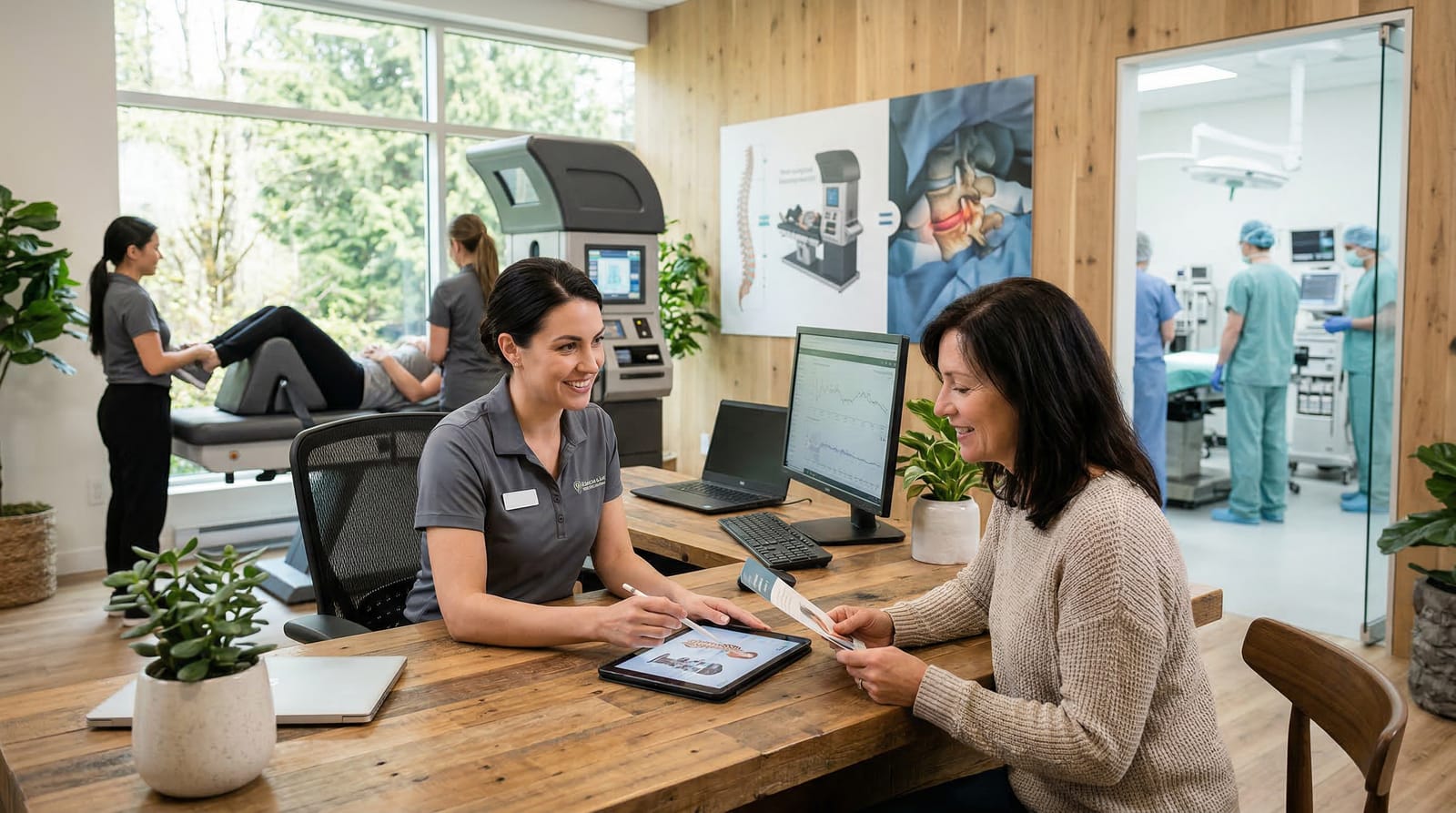
When faced with chronic back pain from herniated discs, spinal stenosis, or degenerative disc disease, patients often find themselves weighing two distinct treatment paths: non-surgical spinal decompression therapy or surgical intervention. This critical decision can significantly impact your recovery timeline, financial investment, and long-term quality of life. While comprehensive spinal decompression therapy offers a non-invasive approach to treating disc-related conditions, surgical options provide more aggressive intervention for severe cases. Understanding the fundamental differences between spinal decompression vs surgery is essential for making an informed decision about your back pain treatment. This comparison will examine the key factors that distinguish these approaches, including treatment outcomes, recovery expectations, associated risks, and financial considerations to help you determine which path aligns best with your specific condition and lifestyle needs.
Treatment Approach and Methodology
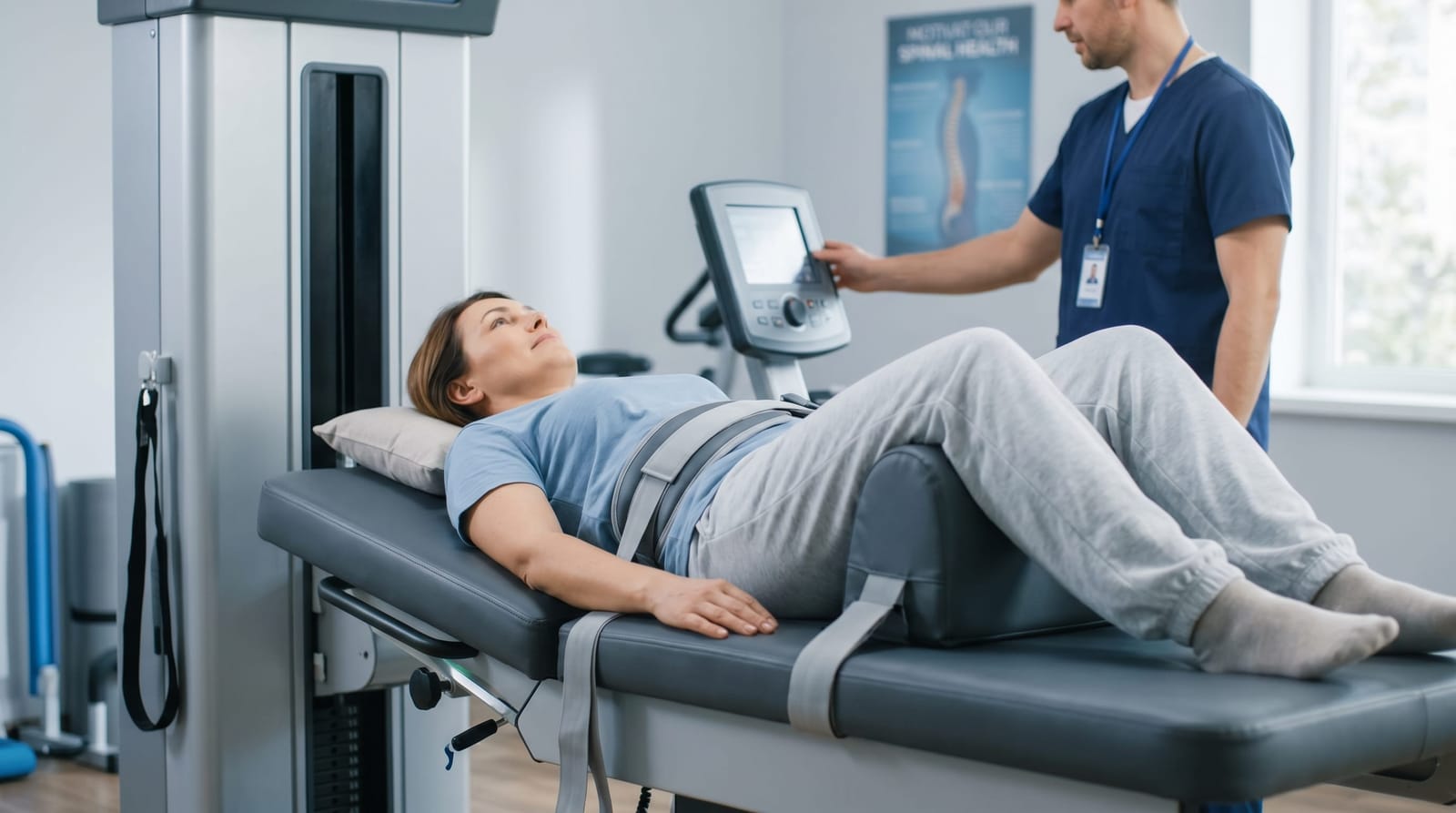
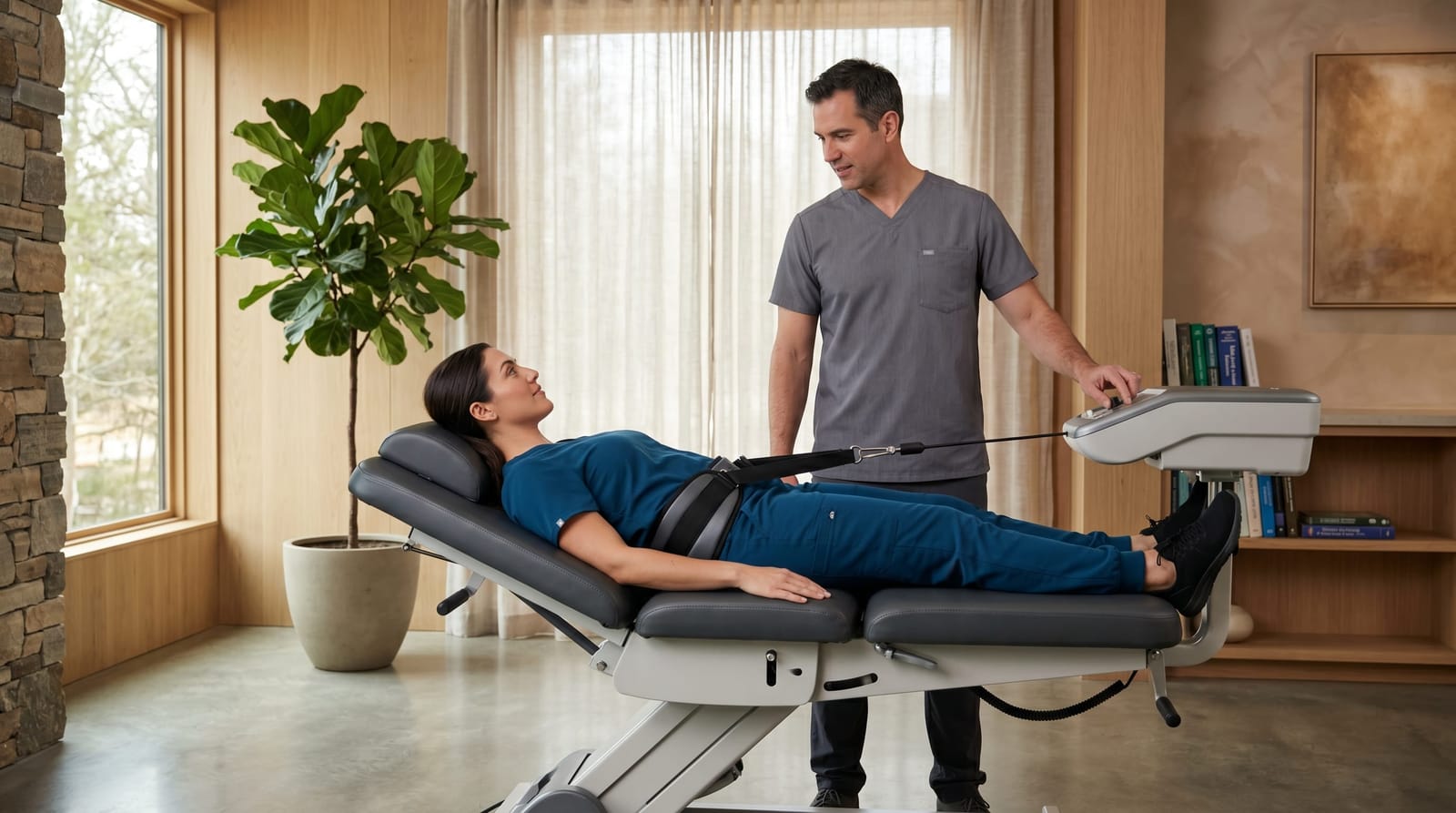
The fundamental difference between spinal decompression vs surgery lies in their treatment methodologies and invasiveness levels. Non-surgical spinal decompression therapy utilizes computerized traction tables to gently stretch the spine, creating negative pressure within the disc space. This process encourages retraction of herniated disc material and promotes the flow of healing nutrients into damaged discs. How spinal decompression works involves precise computer-controlled forces that target specific spinal segments without the need for incisions or anesthesia.
Surgical interventions, conversely, involve direct physical modification of spinal structures. Common procedures include:
- Discectomy - removal of herniated disc material
- Laminectomy - removal of bone to create more space for nerves
- Spinal fusion - joining vertebrae together with hardware
- Artificial disc replacement - substituting damaged discs with prosthetic devices
While spinal decompression vs surgery represents different philosophical approaches to treatment, both aim to relieve pressure on compressed nerves and restore proper spinal function. However, surgery directly addresses structural abnormalities through tissue removal or hardware implantation, while decompression therapy works to restore natural disc height and function through mechanical traction forces.
Patient Selection Criteria
The decision between spinal decompression vs surgery often depends on specific diagnostic findings and symptom severity. Non-surgical decompression typically suits patients with disc herniations, bulging discs, sciatica, and early-stage spinal stenosis who haven't responded adequately to conservative treatments. Surgery becomes necessary when patients experience progressive neurological deficits, severe spinal instability, or when conservative treatments have failed to provide meaningful relief after extensive trial periods.
Success Rates and Treatment Outcomes
Research comparing spinal decompression vs surgery reveals significant variations in success rates and outcome definitions. Spinal surgery for chronic low back pain demonstrates highly variable success rates, with approximately 60 percent of patients achieving meaningful pain improvement according to recent studies. However, functional outcomes such as return to work, activity tolerance, and long-term satisfaction show more complex patterns that require careful evaluation.
Non-surgical spinal decompression therapy shows promising results for appropriately selected candidates. Spinal decompression success rate studies indicate significant pain reduction and functional improvement in 70-80% of patients with disc-related conditions when proper protocols are followed. These outcomes are particularly encouraging given the non-invasive nature of the treatment and minimal associated risks.
Long-term Effectiveness
When evaluating spinal decompression vs surgery for long-term effectiveness, several factors influence sustained results:
- Patient adherence to post-treatment exercise programs
- Underlying degenerative changes in the spine
- Lifestyle modifications and ergonomic improvements
- Management of contributing health conditions
- Regular maintenance care and monitoring
Studies following patients with lumbar spinal stenosis who were surgical candidates found no significant differences between physical therapy approaches and simple decompression surgery at two-year follow-up periods. This research suggests that less invasive approaches may achieve comparable outcomes to surgical intervention in carefully selected patient populations.
Quality of Life Improvements
Both treatment approaches can significantly improve quality of life measures, but the trajectory of improvement differs substantially. Spinal decompression therapy typically provides gradual improvement over several weeks of treatment, while surgical outcomes may show more dramatic initial changes followed by extended rehabilitation periods. Patient satisfaction often correlates with realistic expectations and appropriate candidate selection for either treatment approach.
Recovery Timeline and Rehabilitation Requirements
The recovery process represents one of the most significant differences when comparing spinal decompression vs surgery. Non-surgical decompression therapy requires minimal recovery time, with most patients returning to normal activities immediately following treatment sessions. The typical treatment protocol involves 15-20 sessions over 4-6 weeks, with each session lasting approximately 30-45 minutes. Patients can drive themselves to appointments, return to work the same day, and maintain their regular schedules throughout treatment.
Surgical recovery follows a dramatically different timeline requiring extensive planning and lifestyle modifications. Initial hospitalization may range from same-day discharge for minimally invasive procedures to several days for complex spinal fusion surgeries. The immediate post-operative period involves:
- Pain management with prescription medications
- Activity restrictions lasting several weeks to months
- Wound care and infection prevention protocols
- Gradual return to basic activities of daily living
Complete surgical recovery often requires 3-6 months for simple procedures and up to 12 months for complex spinal fusion surgeries. Physical therapy becomes essential for optimal outcomes, typically beginning several weeks post-operatively and continuing for months.
Return to Work Considerations
The timeline for returning to work varies significantly between spinal decompression vs surgery approaches. Patients undergoing decompression therapy typically maintain their work schedules throughout treatment, with some experiencing improved function within the first few sessions. Surgical patients face extended work absences ranging from several weeks for desk jobs to several months for physically demanding occupations. This difference has substantial implications for income, career progression, and financial planning.
Risk Profiles and Potential Complications
Risk assessment represents a crucial component of the spinal decompression vs surgery decision-making process. Non-surgical spinal decompression therapy carries minimal risks, with the most common side effects being mild muscle soreness or temporary symptom fluctuation during the initial treatment phase. Contraindications include certain types of spinal hardware, acute fractures, severe osteoporosis, and pregnancy, but serious adverse events are extremely rare.
Surgical risks encompass a broader spectrum of potential complications that vary based on procedure complexity and patient health status. Common surgical risks include:
- Infection at the surgical site or deeper structures
- Bleeding and hematoma formation
- Nerve damage resulting in weakness or numbness
- Anesthesia-related complications
- Hardware failure or loosening
- Failed back surgery syndrome
- Development of scar tissue causing new symptoms
Age and Health Considerations
Patient age and overall health status significantly influence the risk-benefit analysis of spinal decompression vs surgery. Older patients or those with multiple medical conditions face elevated surgical risks, making non-surgical alternatives increasingly attractive. Decompression therapy offers a safe treatment option for patients who may not be optimal surgical candidates due to cardiovascular disease, diabetes, or other health complications that increase operative risks.
Financial Investment and Cost Analysis
The financial implications of spinal decompression vs surgery extend far beyond initial treatment costs, encompassing immediate expenses, long-term care requirements, and indirect costs related to lost productivity. Spinal decompression cost Los Angeles typically ranges from $3,000 to $7,000 for a complete treatment series, representing a fraction of surgical expenses while providing significant value for appropriate candidates.
Surgical costs vary enormously based on procedure complexity, hospital charges, surgeon fees, and geographic location. Basic discectomy procedures may cost $15,000 to $30,000, while complex spinal fusion surgeries can exceed $100,000 including hospital stays, hardware, and surgeon fees. These figures don't account for potential complications requiring additional procedures or extended hospitalization.
Insurance Coverage Considerations
Insurance coverage patterns differ significantly between spinal decompression vs surgery options. Most insurance plans readily cover surgical interventions when medical necessity criteria are met, though prior authorization and second opinions may be required. Non-surgical decompression therapy coverage varies widely among insurance providers, with some plans offering full coverage while others require patient copayments or may not cover the treatment entirely.
Hidden Costs and Financial Planning
Comprehensive financial planning must consider indirect costs associated with each treatment approach:
- Lost wages during recovery periods
- Transportation and accommodation for treatment
- Childcare or family support services
- Home modifications for post-surgical recovery
- Long-term medication and follow-up care costs
- Potential need for revision procedures
These additional expenses can substantially impact the total cost of treatment and should be factored into decision-making processes when comparing spinal decompression vs surgery options.
Making the Right Treatment Decision
The choice between spinal decompression vs surgery requires careful consideration of multiple factors including symptom severity, lifestyle demands, risk tolerance, and personal preferences. Many healthcare providers recommend exhausting conservative treatment options, including spinal decompression therapy, before considering surgical intervention unless emergency conditions exist such as cauda equina syndrome or progressive neurological deficits.
Optimal decision-making involves thorough consultation with qualified healthcare providers who can assess your specific condition through comprehensive examination and appropriate imaging studies. Second opinions from different specialists can provide valuable perspectives on treatment options and help ensure you're making an informed decision based on current best practices and evidence-based medicine.
Related Treatment Considerations
Beyond the primary comparison of spinal decompression vs surgery, patients should consider complementary treatment approaches that may enhance outcomes regardless of their chosen primary intervention. These may include physical therapy, nutritional optimization, stress management, ergonomic improvements, and lifestyle modifications that address underlying factors contributing to spinal problems.
Conclusion
The decision between spinal decompression vs surgery represents a critical choice that can significantly impact your recovery experience and long-term outcomes. While non-surgical decompression therapy offers a low-risk, cost-effective approach suitable for many patients with disc-related conditions, surgery may be necessary for severe cases or when conservative treatments have failed. Success depends largely on appropriate candidate selection, realistic expectations, and commitment to recommended treatment protocols regardless of which approach you choose.
If you're struggling with chronic back pain and considering your treatment options, schedule a comprehensive evaluation with our spinal decompression specialists in Los Angeles. Our team can assess your specific condition, discuss the potential benefits and limitations of both surgical and non-surgical approaches, and help you make an informed decision about the best path forward for your individual situation.