Conditions Treated with Spinal Decompression: Herniated Discs, Sciatica, and More
Spinal decompression therapy offers hope for patients suffering from various disc-related conditions. This non-surgical treatment has revolutionized how we approach back pain management. Understanding which conditions respond best to spinal decompression for herniated disc treatment helps patients make informed decisions. This comprehensive overview explores the primary conditions that benefit from decompression therapy. We'll examine success rates and real-world outcomes for each condition. From herniated discs to spinal stenosis, discover how this innovative treatment addresses multiple spinal disorders effectively.
Herniated Discs: The Primary Target Condition
Herniated discs represent the most common condition treated with spinal decompression therapy. This occurs when the soft inner core of a spinal disc pushes through its outer layer. The result is often excruciating pain and nerve compression.
How Spinal Decompression Addresses Herniated Discs
Spinal decompression for herniated disc treatment works by creating negative pressure within the disc space. This gentle stretching motion allows herniated material to retract naturally. The therapy promotes healing by increasing blood flow to the affected area. Studies show success rates between 70-85% for patients with herniated discs.
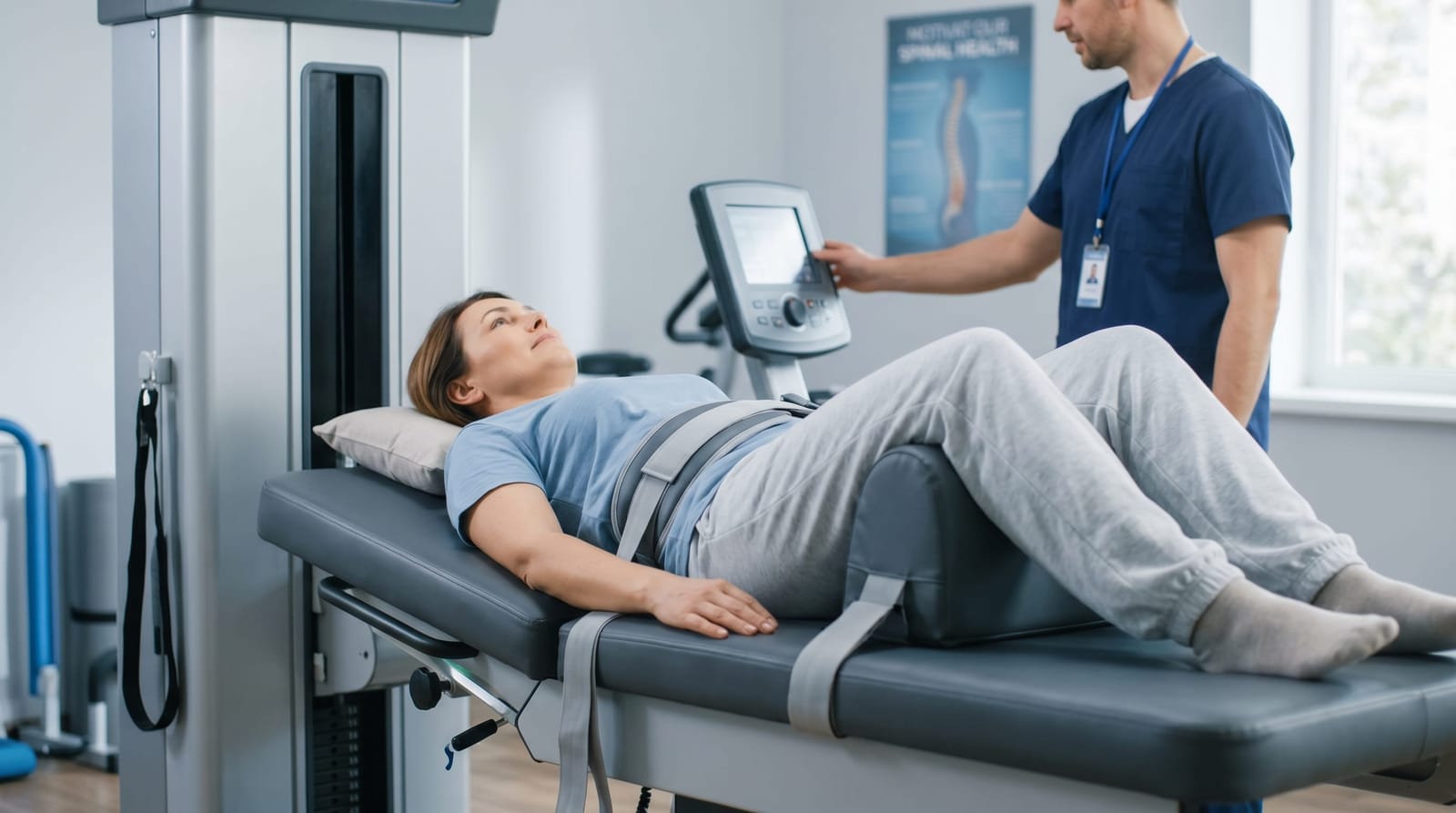
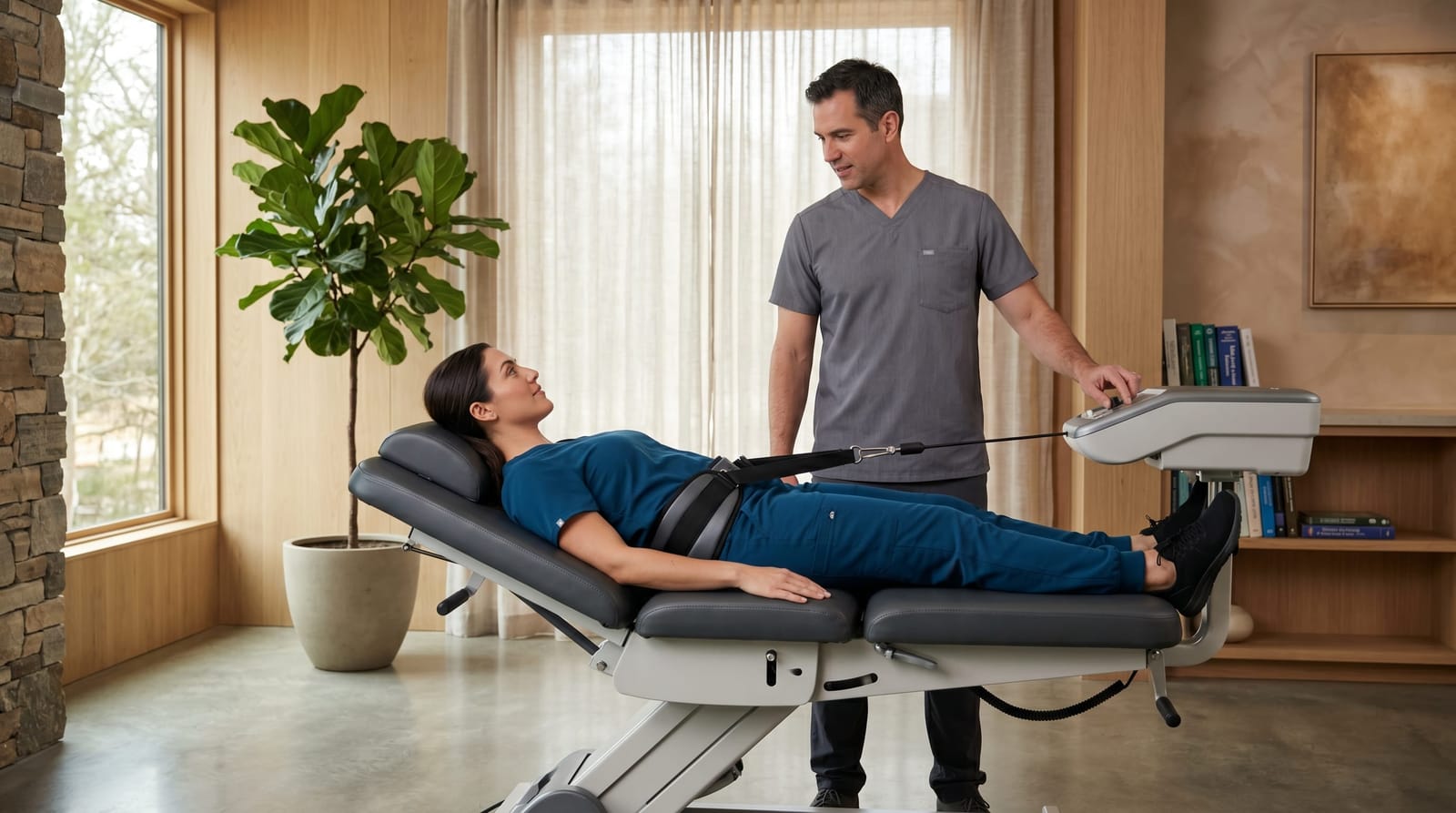
The treatment typically involves 20-28 sessions over 6-8 weeks. Each session lasts approximately 30-45 minutes on specialized decompression tables. Patients often report significant pain reduction within the first few weeks. Understanding how does spinal decompression work helps patients appreciate the mechanical principles behind disc healing.
Success Rates and Patient Outcomes
Research demonstrates impressive results for spinal decompression for herniated disc cases. A 2009 study published in BMC Musculoskeletal Disorders showed 71% of patients experienced significant pain relief. Another study found 86% of patients avoided surgery after completing decompression therapy.
Patients with single-level herniations typically respond better than those with multiple disc involvement. Early intervention within six months of symptom onset yields optimal results. Age factors also play a role, with younger patients showing faster recovery times.
Sciatica: Relieving Radiating Leg Pain
Sciatica affects millions of Americans annually, causing debilitating leg pain and numbness. This condition occurs when the sciatic nerve becomes compressed or irritated. Spinal decompression therapy offers significant relief for many sciatica sufferers.
The Connection Between Disc Problems and Sciatica
Most sciatica cases stem from disc herniation pressing against nerve roots. The L4-L5 and L5-S1 disc levels are most commonly affected. When these discs bulge or herniate, they compress the sciatic nerve pathway. This compression creates the characteristic shooting pain down the leg.
Spinal decompression for herniated disc treatment directly addresses this nerve compression. By reducing disc pressure, the therapy alleviates sciatic nerve irritation. Patients often experience immediate relief during treatment sessions. The gradual healing process continues between sessions as discs rehydrate and heal.
Treatment Outcomes for Sciatica Patients
Clinical studies show 75-80% success rates for sciatica treatment using spinal decompression. Patients with acute sciatica (less than 12 weeks) respond better than chronic cases. The therapy works particularly well for disc-related sciatica versus other causes.
Treatment protocols for sciatica mirror those for herniated discs. However, sciatica patients may require additional supportive therapies. These might include specific exercises and ergonomic modifications. Most patients report significant improvement in leg pain within 2-3 weeks of starting treatment.
Degenerative Disc Disease: Slowing the Aging Process
Degenerative disc disease affects nearly everyone as they age. However, some individuals experience severe symptoms requiring intervention. Spinal decompression therapy can slow progression and reduce pain associated with disc degeneration.
Understanding Disc Degeneration
Disc degeneration begins with loss of water content in spinal discs. This dehydration causes discs to lose height and flexibility. As discs collapse, they create increased pressure on surrounding structures. The result is often chronic back pain and stiffness.
Multiple factors contribute to accelerated disc degeneration. These include genetics, smoking, repetitive stress, and previous injuries. Once degeneration begins, it typically progresses without proper intervention. Spinal decompression for herniated disc and degenerative conditions helps interrupt this cycle.
Decompression Therapy Benefits for Degenerative Conditions
While decompression cannot reverse disc degeneration completely, it offers significant benefits. The therapy helps rehydrate discs through improved nutrient exchange. This process can slow further degeneration and reduce pain levels. Success rates for degenerative disc disease range from 60-75%.
Treatment plans for degenerative conditions often extend longer than herniation cases. Patients may require 25-30 sessions for optimal results. Maintenance treatments every few months help preserve gains. The key is starting treatment before severe degeneration occurs.
Spinal Stenosis: Creating Space for Compressed Nerves
Spinal stenosis involves narrowing of the spinal canal or neural foramina. This narrowing compresses nerve roots and can cause significant pain. Spinal decompression therapy offers a non-surgical option for managing stenosis symptoms.
Types of Spinal Stenosis
Central stenosis affects the main spinal canal where the spinal cord travels. Foraminal stenosis narrows the openings where nerve roots exit the spine. Both types can benefit from decompression therapy, though outcomes vary.
Stenosis often results from disc bulging combined with ligament thickening. Bone spurs may also contribute to canal narrowing. The condition typically develops gradually over years. Symptoms include leg pain, numbness, and walking difficulties.
Treatment Effectiveness for Stenosis
Spinal decompression for herniated disc conditions often accompanies stenosis treatment. Success rates for stenosis are slightly lower than disc herniations, around 55-70%. However, many patients experience meaningful improvement in walking tolerance and pain levels.
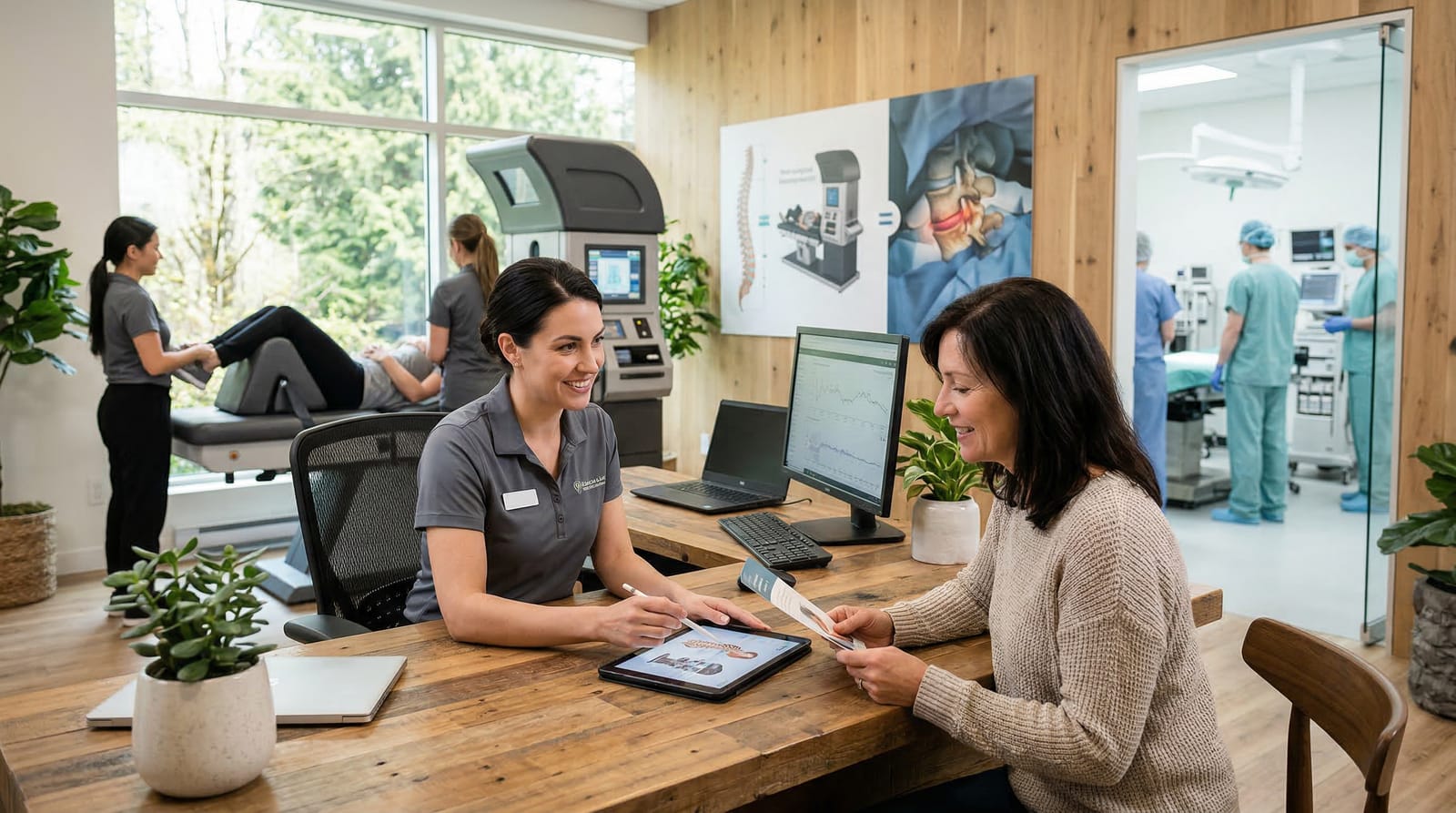
The therapy works by temporarily widening spinal canal dimensions. This creates more space for compressed neural structures. While the effect is temporary during treatment, repeated sessions can provide lasting benefits. Comparing spinal decompression vs surgery becomes particularly relevant for stenosis patients considering surgical options.
Facet Joint Syndrome: Addressing Posterior Spinal Pain
Facet joint syndrome causes pain in the small joints connecting vertebrae. These joints can become inflamed due to injury or degeneration. Spinal decompression therapy provides indirect benefits for facet joint problems.
The Relationship Between Discs and Facet Joints
Healthy discs maintain proper spacing between vertebrae and reduce facet joint stress. When discs degenerate or herniate, facet joints bear increased loads. This increased stress leads to joint inflammation and pain. The condition often coexists with disc problems.
Spinal decompression for herniated disc treatment helps restore disc height and function. This restoration reduces abnormal forces on facet joints. The therapy provides a comprehensive approach to spinal health. Many patients experience both disc and facet pain relief simultaneously.
Success Rates for Combined Conditions
Patients with both disc and facet joint problems show success rates around 65-75%. The therapy works best when disc involvement is the primary pain generator. Facet joint inflammation often subsides as disc function improves.
Treatment may require combination approaches including anti-inflammatory measures. Some patients benefit from facet joint injections alongside decompression therapy. The key is identifying the primary pain source before beginning treatment.
Patient Selection and Expected Outcomes
Not every patient with spinal conditions qualifies for decompression therapy. Proper candidate selection significantly impacts treatment success rates. Understanding selection criteria helps set realistic expectations for outcomes.
Ideal Candidates for Spinal Decompression
The best candidates have confirmed disc-related pathology on MRI imaging. Symptoms should correlate with imaging findings for optimal results. Patients with single-level involvement typically respond better than multi-level cases.
Age considerations favor patients between 25-65 years old. However, healthy older patients may also benefit from treatment. Previous failed conservative care often indicates good decompression candidacy. Determining if you're a good spinal decompression candidate requires comprehensive evaluation by qualified professionals.
Realistic Outcome Expectations
Most successful patients experience 50-90% pain reduction after completing treatment. However, results vary significantly based on individual factors. Acute conditions generally respond better than chronic problems.
Pain relief often begins within the first 1-2 weeks of treatment. Maximum benefits typically occur 4-6 weeks after completing therapy. Some patients require maintenance sessions to preserve long-term benefits.
Related Treatment Considerations
Spinal decompression therapy works best as part of comprehensive treatment programs. Additional therapies often enhance outcomes and prevent recurrence. Understanding these complementary approaches maximizes treatment success.
Rehabilitation exercises strengthen supporting muscles and improve spinal stability. Ergonomic modifications prevent re-injury during daily activities. Nutritional counseling supports disc healing and overall spinal health.
Conclusion
Spinal decompression for herniated disc treatment and related conditions offers hope for many patients. The therapy effectively addresses herniated discs, sciatica, degenerative disc disease, and stenosis. Success rates vary by condition, but most patients experience significant pain relief. Proper candidate selection and realistic expectations are crucial for optimal outcomes. If you're suffering from disc-related back pain, consult with a qualified spinal decompression specialist. They can evaluate your specific condition and determine if this innovative therapy is right for you. Take the first step toward pain-free living today.