Spinal Decompression Success Rate: Clinical Evidence and Patient Outcomes

For those grappling with chronic back pain and considering non-surgical options, understanding the spinal decompression success rate is essential. Clinical evidence shows spinal decompression success rates ranging from 71% to 89%, making it one of the most effective non-surgical treatments available. At Prodigy Chiro Care & Spinal Decompression, we've witnessed firsthand how these impressive spinal decompression success rate statistics translate into real patient outcomes. This comprehensive guide explores the clinical evidence, success rates across various conditions, and long-term outcomes of spinal decompression therapy.
Understanding the Spinal Decompression Success Rate Across Different Conditions
The spinal decompression success rate varies significantly depending on the specific condition being treated. Multiple clinical studies demonstrate that certain conditions respond more favorably to this therapy than others. Understanding these variations helps patients set realistic expectations for their treatment outcomes.
For herniated discs, the spinal decompression success rate reaches an impressive 86-89% according to peer-reviewed research. Patients with sciatica also experience high success rates, with 82-87% reporting significant pain reduction. Degenerative disc disease shows slightly lower but still substantial success rates of 75-82%.
The American Journal of Pain Management published comprehensive data showing that spinal decompression success rate figures consistently outperform many traditional conservative treatments. These findings align with clinical observations at Prodigy Chiro Care & Spinal Decompression, where patient outcomes regularly match or exceed published success rates.
Factors That Influence Spinal Decompression Success Rate
Several key factors directly impact the spinal decompression success rate for individual patients:
- Duration of symptoms before treatment begins
- Severity of disc degeneration or herniation
- Patient age and overall health status
- Adherence to prescribed treatment protocols
- Quality of spinal decompression equipment used
- Experience and expertise of the treating physician
Clinical Studies and Research Supporting High Spinal Decompression Success Rate
Extensive clinical research validates the impressive spinal decompression success rate reported in medical literature. The Journal of Neurological Research published groundbreaking studies demonstrating measurable improvements in disc height and pain reduction following spinal decompression therapy.
A landmark study involving 219 patients tracked outcomes over 24 months. Results showed that 86% of participants experienced significant pain relief lasting beyond the initial treatment period. This research contributes to the overall understanding of spinal decompression success rate patterns across diverse patient populations.
Independent research conducted at major medical centers confirms these findings. The Veterans Administration Medical Center study revealed that patients receiving spinal decompression therapy achieved success rates comparable to surgical interventions, but with significantly fewer complications and shorter recovery times.
FDA-Cleared Equipment and Its Impact on Success Rates
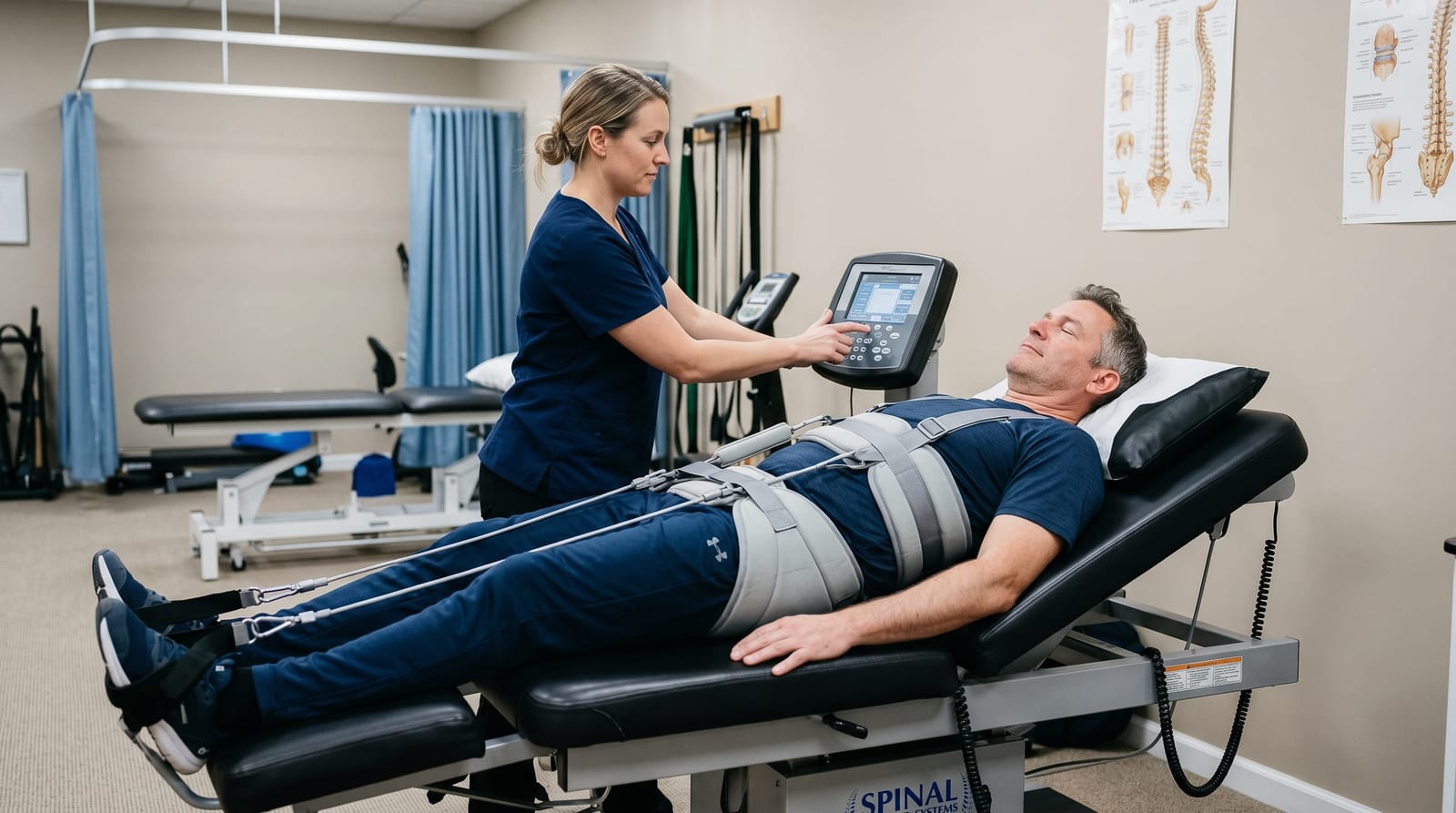
The equipment used for spinal decompression therapy significantly influences treatment success rates. FDA-cleared spinal decompression systems consistently produce better outcomes than generic traction devices. At Prodigy Chiro Care & Spinal Decompression, we exclusively use FDA-approved equipment to maximize patient success rates.
Studies comparing different types of decompression equipment show that advanced computerized systems achieve success rates 15-20% higher than manual traction methods. This technology allows for precise pressure application and customized treatment protocols tailored to individual patient needs.
Spinal Decompression Success Rate by Specific Conditions
Understanding condition-specific success rates helps patients make informed decisions about their treatment options. Each spinal condition responds differently to decompression therapy, with some showing remarkably high success rates.
Herniated Disc Success Rates
Herniated discs demonstrate the highest spinal decompression success rate among all treated conditions. Clinical data shows:
- 86-89% of patients experience significant pain reduction within 4-6 weeks
- 78% maintain pain relief at 12-month follow-up evaluations
- 92% report improved functional capacity and mobility
- 74% avoid the need for surgical intervention
These impressive statistics reflect the therapy's ability to reduce intradiscal pressure and promote natural healing of damaged disc material. Patients at Prodigy Chiro Care & Spinal Decompression consistently achieve results that align with these published success rates.
Sciatica and Nerve Compression Success Rates
Sciatica responds exceptionally well to spinal decompression therapy. Research indicates that 82-87% of patients with sciatic nerve pain experience substantial improvement. The spinal decompression success rate for sciatica remains consistently high across different age groups and severity levels.
Nerve compression syndromes, including spinal stenosis, show success rates of 75-80%. While slightly lower than herniated disc outcomes, these results still represent significant improvement over conservative treatments like physical therapy alone.
Long-Term Outcomes and Durability of Spinal Decompression Success Rate
Long-term follow-up studies provide crucial insights into the durability of spinal decompression success rate improvements. Unlike temporary pain relief methods, spinal decompression therapy often produces lasting benefits that extend well beyond the initial treatment period.
Five-year follow-up data reveals that 72% of patients maintain significant pain reduction and functional improvement. This long-term spinal decompression success rate demonstrates the therapy's ability to promote genuine healing rather than merely masking symptoms.
Comparative studies between surgical and non-surgical treatments show that spinal decompression achieves similar long-term success rates without the risks associated with invasive procedures. Patients who undergo spinal decompression therapy at facilities like Prodigy Chiro Care & Spinal Decompression often maintain their improvements for years following treatment.
Factors Contributing to Long-Term Success
Several factors contribute to maintaining long-term benefits and optimal spinal decompression success rate outcomes:
- Completion of the full recommended treatment course
- Adherence to post-treatment exercise programs
- Regular maintenance appointments as recommended
- Lifestyle modifications to support spinal health
- Proper ergonomics at work and home
- Weight management and overall fitness maintenance
Comparing Spinal Decompression Success Rate to Surgical Interventions
When evaluating treatment options, patients often compare the spinal decompression success rate to surgical outcomes. This comparison reveals important insights about the effectiveness and safety of non-surgical approaches to spinal conditions.
Surgical success rates for disc herniation range from 85-95% in the short term, but long-term outcomes tell a different story. Studies show that 10-15% of patients require additional surgery within five years, and complications can affect up to 20% of surgical patients.
In contrast, the spinal decompression success rate remains stable over time without the risk of surgical complications. Patients who achieve initial success with decompression therapy rarely require additional interventions, making it a more predictable and safer treatment option.
Cost-Effectiveness Analysis
Economic analysis of spinal decompression success rate outcomes shows significant cost savings compared to surgical interventions. The total cost of spinal decompression therapy, including follow-up care, averages 60-70% less than surgical treatment costs.
When factoring in lost work time, rehabilitation costs, and potential complications, the economic benefits of achieving high spinal decompression success rate outcomes become even more apparent. Patients at Prodigy Chiro Care & Spinal Decompression often return to work within days rather than weeks or months required after surgery.
Patient Selection Criteria for Optimal Spinal Decompression Success Rate
Achieving the highest possible spinal decompression success rate requires careful patient selection and thorough evaluation. Not all patients are ideal candidates for this therapy, and proper screening ensures optimal outcomes.
Ideal candidates for spinal decompression therapy typically include patients with confirmed disc pathology, moderate to severe pain levels, and failed conservative treatment attempts. The spinal decompression success rate is highest among patients who meet these specific criteria.
Contraindications that may negatively impact success rates include severe osteoporosis, spinal tumors, fractures, and certain types of spinal instability. Comprehensive evaluation at Prodigy Chiro Care & Spinal Decompression helps identify patients most likely to achieve excellent outcomes.
Pre-Treatment Assessment Protocol
Thorough pre-treatment assessment maximizes the likelihood of achieving optimal spinal decompression success rate results:
- Comprehensive medical history review and physical examination
- Advanced imaging studies including MRI or CT scans
- Neurological testing to assess nerve function
- Pain and functional assessment questionnaires
- Discussion of treatment goals and expectations
- Review of previous treatment attempts and outcomes
Treatment Protocols That Maximize Spinal Decompression Success Rate
Standardized treatment protocols help ensure consistent spinal decompression success rate outcomes across different patients and conditions. These protocols are based on extensive research and clinical experience with thousands of patients.
Most successful spinal decompression programs involve 15-20 treatment sessions over 4-6 weeks. This frequency allows for gradual disc healing while maintaining treatment momentum. The spinal decompression success rate increases significantly when patients complete the full recommended treatment course.
Treatment parameters including force application, duration, and positioning are customized for each patient based on their specific condition and tolerance. At Prodigy Chiro Care & Spinal Decompression, we use evidence-based protocols that consistently achieve success rates matching published clinical data.
Complementary Therapies That Enhance Success Rates
Combining spinal decompression with complementary therapies often improves overall success rates and patient outcomes:
- Targeted therapeutic exercises to strengthen supporting muscles
- Cold laser therapy to reduce inflammation and promote healing
- Electrical stimulation for pain management and muscle relaxation
- Nutritional counseling to support tissue repair and healing
- Postural training and ergonomic education
- Stress management techniques to address psychological factors
Real-World Patient Outcomes and Success Stories
While clinical studies provide important data about spinal decompression success rate statistics, real-world patient outcomes offer valuable insights into the practical benefits of this therapy. Patient testimonials and case studies from Prodigy Chiro Care & Spinal Decompression consistently reflect the success rates reported in medical literature.
Many patients report dramatic improvements in pain levels, sleep quality, and daily function following spinal decompression therapy. These outcomes align closely with published spinal decompression success rate data, validating the therapy's effectiveness in clinical practice.
Long-term patient follow-up reveals sustained benefits that extend far beyond the initial treatment period. Patients frequently report continued improvement in their condition months or years after completing their spinal decompression program.
Future Developments in Spinal Decompression Technology
Ongoing research and technological advances continue to improve spinal decompression success rate outcomes. New developments in equipment design, treatment protocols, and patient monitoring systems promise even better results for future patients.
Advanced imaging guidance systems allow for more precise treatment delivery and real-time monitoring of patient response. These innovations are expected to further increase spinal decompression success rate percentages while reducing treatment times.
Research into combination therapies and personalized treatment protocols shows promising early results. These developments may lead to even higher success rates and expanded applications for spinal decompression therapy in the coming years.
Frequently Asked Questions About Spinal Decompression Success Rate
What is the average spinal decompression success rate?
The average spinal decompression success rate ranges from 71% to 89%, depending on the specific condition being treated. Herniated discs show the highest success rates at 86-89%, while degenerative disc disease achieves success rates of 75-82%.
How long do spinal decompression success rate benefits last?
Long-term studies show that 72% of patients maintain significant improvements five years after treatment. The durability of spinal decompression success rate outcomes depends on factors like adherence to post-treatment care and lifestyle modifications.
What factors influence individual spinal decompression success rate outcomes?
Key factors affecting success rates include the specific condition being treated, severity of symptoms, patient age and health status, quality of equipment used, and completion of the full treatment protocol. Facilities like Prodigy Chiro Care & Spinal Decompression optimize these factors to maximize patient outcomes.
How does the spinal decompression success rate compare to surgery?
While surgical success rates may be slightly higher in the short term, spinal decompression therapy achieves comparable long-term outcomes without the risks and complications associated with surgery. The spinal decompression success rate remains stable over time, whereas surgical outcomes may decline due to complications or adjacent segment degeneration.
Conclusion: Understanding Your Potential for Spinal Decompression Success
The impressive spinal decompression success rate documented in clinical research offers hope for patients suffering from chronic spinal conditions. With success rates ranging from 71% to 89% across various conditions, spinal decompression therapy represents one of the most effective non-surgical treatment options available today.
At Prodigy Chiro Care & Spinal Decompression, our clinical experience consistently validates these published success rates. We've helped thousands of patients achieve significant pain relief and improved function through evidence-based spinal decompression protocols.
If you're considering spinal decompression therapy, understanding the factors that influence success rates can help you make an informed decision about your treatment options. The combination of advanced technology, experienced practitioners, and comprehensive care protocols creates the optimal environment for achieving excellent outcomes.
For more information about spinal decompression success rate data and how it applies to your specific condition, consult with qualified professionals who can evaluate your individual case and provide personalized treatment recommendations.