Is Cold Laser Therapy Safe? Understanding FDA Approval and Safety Profile

Cold laser therapy, also known as low-level laser therapy (LLLT), is becoming increasingly popular for its non-invasive approach to pain relief and tissue healing. As more individuals and healthcare providers in Los Angeles explore this advanced treatment modality, understanding its safety profile is crucial. In this article, we'll delve into the FDA approval status, safety standards, potential contraindications, and side effects of cold laser therapy, providing you with a comprehensive answer to the question: "Is cold laser therapy safe?"
FDA Approval and Regulation
Cold laser therapy has been cleared by the U.S. Food and Drug Administration (FDA) for specific medical applications. This clearance ensures that the lasers used in therapy meet specific safety and efficacy standards. The FDA classifies cold lasers as Class II devices, which indicates they pose a moderate risk to users. This classification requires manufacturers to provide reasonable assurance of safety and effectiveness before the devices can be marketed.
Importantly, the FDA's clearance covers certain therapeutic claims, such as pain reduction and tissue healing. However, it's essential to ensure that the practitioner you choose is using FDA-cleared devices for your specific treatment needs. This provides an additional layer of safety, as these devices have been evaluated for their intended use.
Understanding the Safety Profile
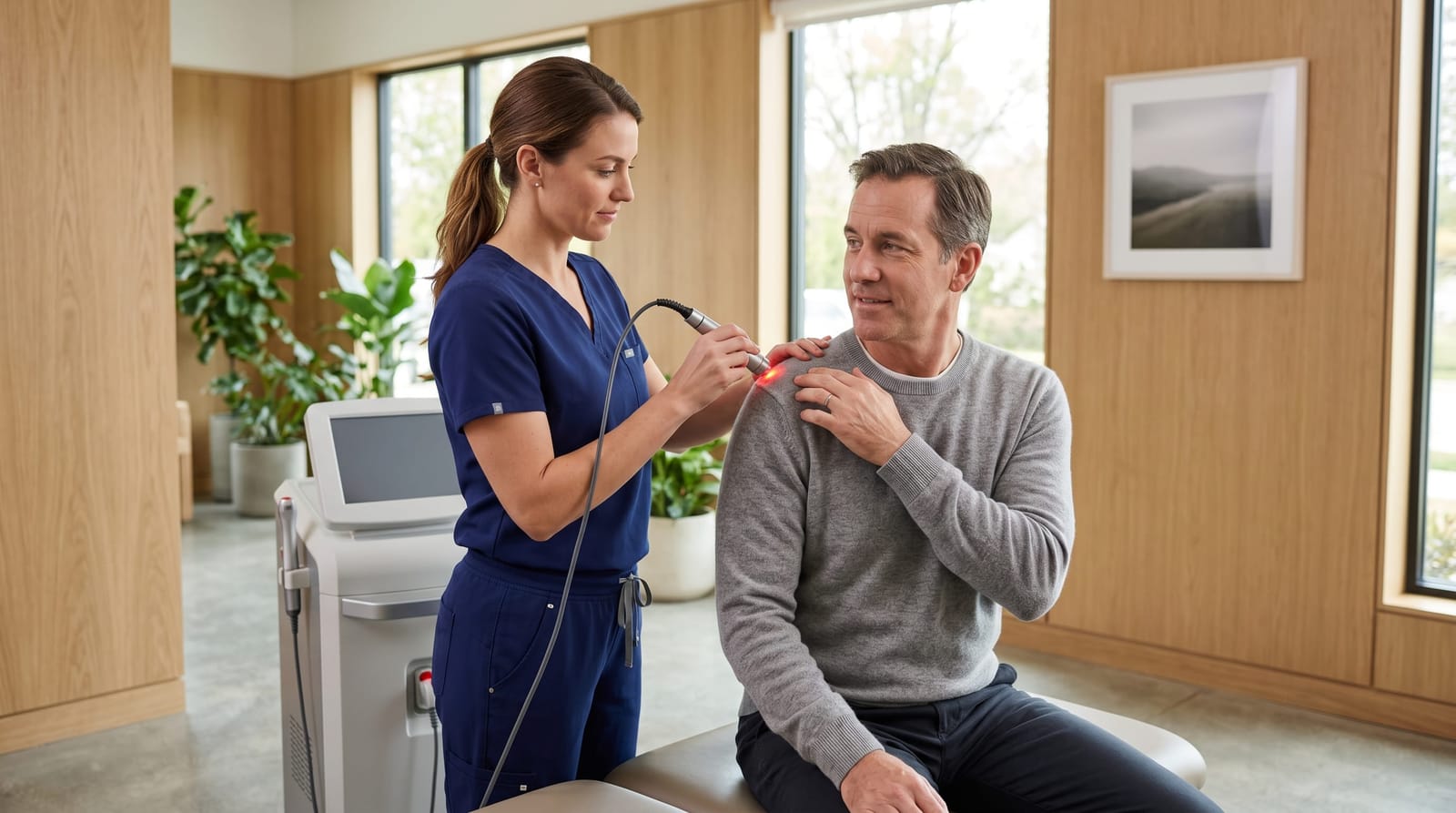
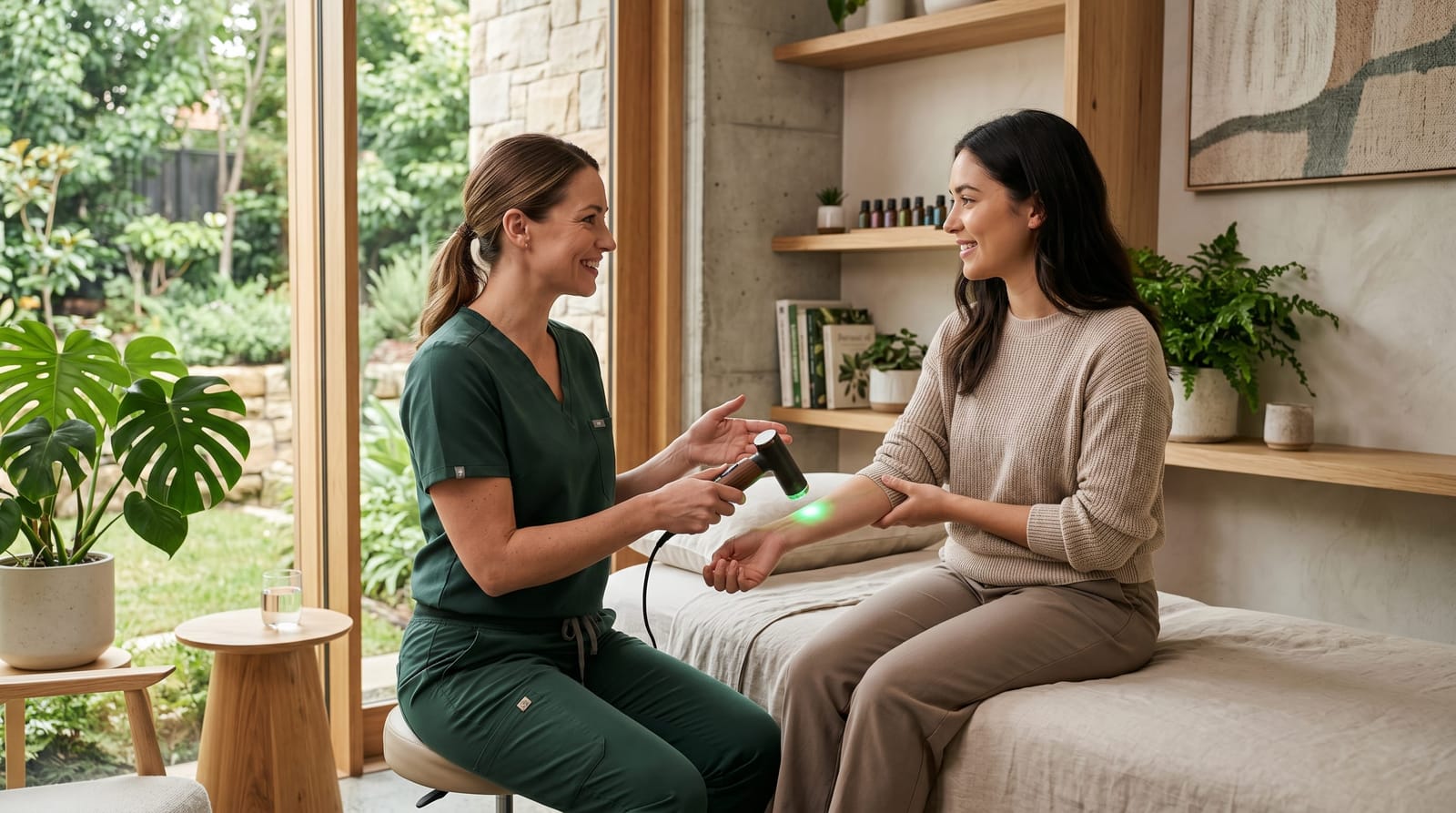
Cold laser therapy is generally considered safe and well-tolerated. The treatment is non-invasive, meaning it doesn't require any surgical incisions, and it is typically painless. Patients can often expect to feel a mild warming sensation at the treatment site, but this is usually comfortable and well-tolerated. Unlike traditional laser treatments, cold lasers do not heat or damage the tissues.
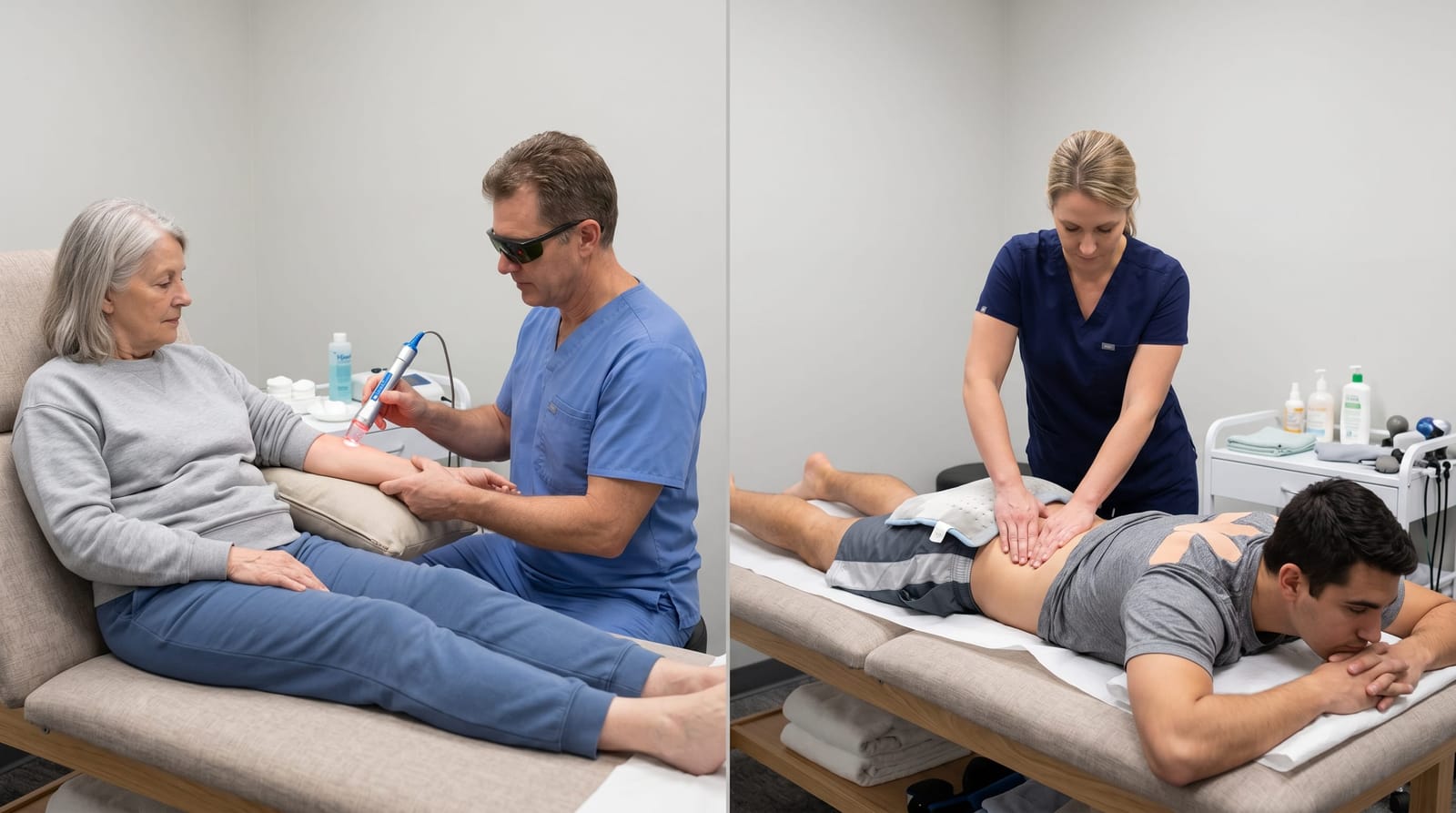
One of the most significant safety considerations is avoiding direct eye exposure to the laser, as it can cause harm. Both patients and practitioners should wear appropriate protective eyewear during sessions to mitigate this risk.
Potential Contraindications
While cold laser therapy is safe for most individuals, certain conditions could contraindicate its use. Pregnant women, for example, are advised to avoid laser therapy over the abdomen due to insufficient research on its effects on fetal development. Additionally, individuals with cancer should consult their healthcare provider before undergoing laser therapy, as there is ongoing debate regarding its safety in patients with active malignant lesions.
Other contraindications may include patients with pacemakers or those taking photosensitizing medications. It's essential to consult with a healthcare provider to determine if cold laser therapy is appropriate for your specific health condition.
Possible Side Effects
Cold laser therapy is associated with minimal side effects, especially when compared to more invasive treatments. Some patients might experience mild soreness or a temporary increase in pain after a session, but these effects usually subside quickly. Rarely, treatment areas may become slightly red or swollen, but this is often temporary and resolves without intervention.
It's crucial to ensure that the therapy is administered by a trained professional to minimize the risk of side effects. Professional guidance ensures that the laser is applied correctly and that the treatment parameters are appropriately adjusted to the patient's needs.
FAQ Section
What conditions can cold laser therapy treat?
Cold laser therapy is used to treat a variety of conditions, including chronic pain, arthritis, tendonitis, and muscle spasms. It's also used to promote healing in soft tissue injuries and reduce inflammation.
How long does a typical cold laser therapy session last?
A typical session lasts between 5 to 20 minutes, depending on the condition being treated and the area of the body. Multiple sessions are often required for optimal results.
Is cold laser therapy covered by insurance?
Coverage for cold laser therapy varies by insurance provider and plan. It's advisable to check with your insurance company to determine if the therapy is covered under your plan.
Can cold laser therapy be used in conjunction with other treatments?
Yes, cold laser therapy can be used alongside other treatments such as physical therapy, medication, and chiropractic care. It's important to coordinate with your healthcare provider to ensure a cohesive treatment approach.
Conclusion
In conclusion, cold laser therapy is a safe and effective non-invasive treatment option for pain relief and tissue healing, especially when administered by trained professionals using FDA-cleared devices. While it is generally well-tolerated, understanding potential contraindications and side effects is essential for safe application. For those in Los Angeles exploring advanced pain relief options, cold laser therapy can be a valuable addition to their healthcare regimen. For more information on how cold laser therapy can benefit you, visit our Cold Laser Therapy: Advanced Pain Relief and Healing Technology in Los Angeles page.
```