Cold Laser Therapy vs Traditional Pain Treatments: Modern vs Conventional Approaches
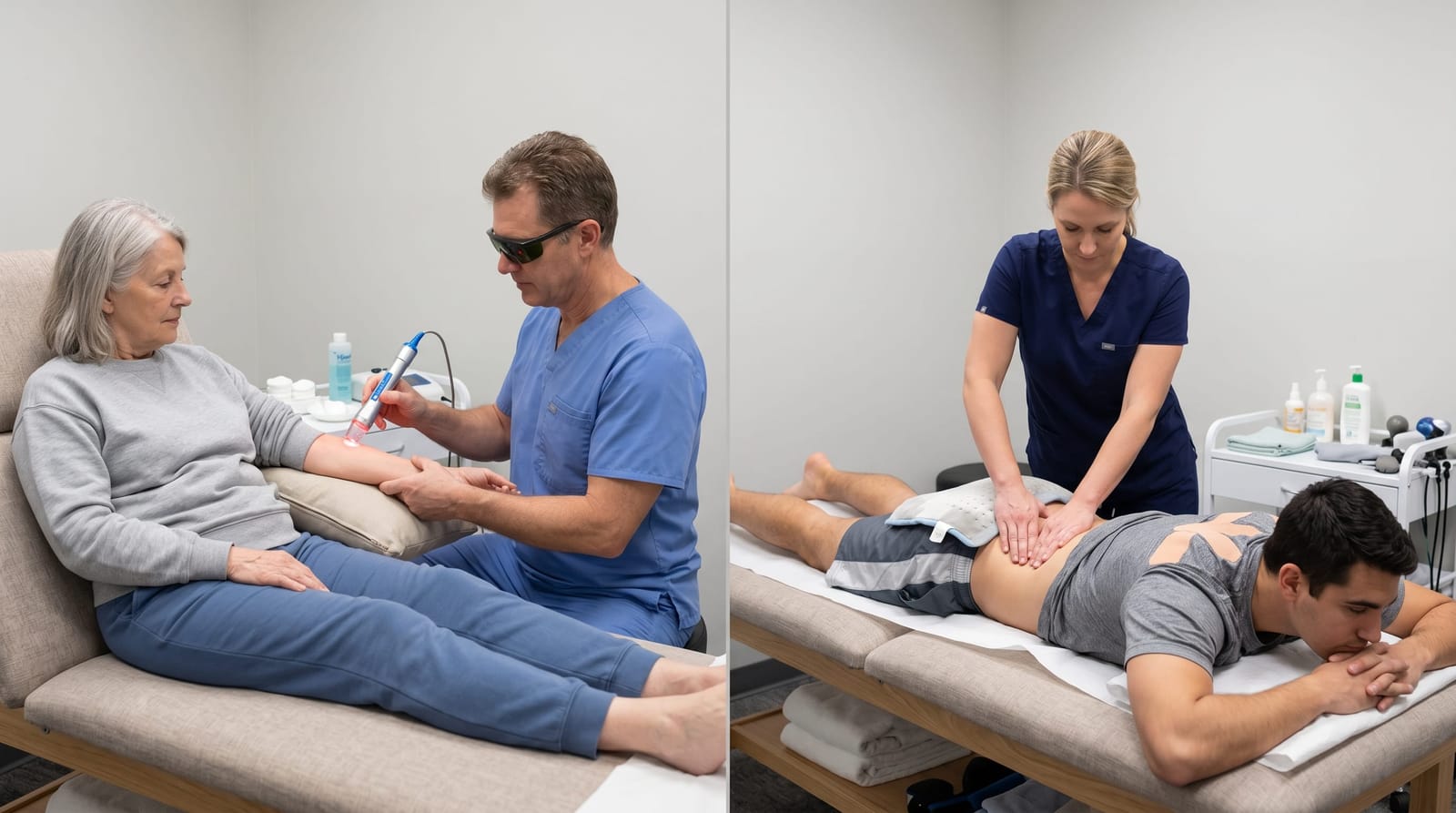
The landscape of pain management has evolved significantly with the introduction of advanced therapeutic technologies like cold laser therapy. While traditional pain treatments have served as the foundation of medical care for decades, modern approaches offer innovative alternatives that address pain at its cellular level. As patients in Los Angeles increasingly seek non-invasive treatment options, understanding the differences between cold laser therapy vs traditional treatment becomes crucial for making informed healthcare decisions. This comprehensive comparison explores how these two approaches differ in mechanism, effectiveness, and patient outcomes, helping you determine which cold laser therapy vs traditional treatment path aligns with your specific needs and health goals.
Understanding Traditional Pain Treatment Approaches
Traditional pain management encompasses a range of conventional medical interventions that have been widely used for decades. When comparing cold laser therapy vs traditional treatment approaches, these established methods form the backbone of most pain treatment protocols. At Prodigy Chiro Care & Spinal Decompression, we understand that many patients have tried conventional treatments before exploring modern alternatives.
Medication-Based Interventions
Traditional pain management heavily relies on pharmaceutical interventions. Nonsteroidal anti-inflammatory drugs (NSAIDs) like ibuprofen and naproxen work by inhibiting cyclooxygenase enzymes. These medications reduce inflammation but can cause gastrointestinal irritation with long-term use. Studies show that 60% of patients using NSAIDs long-term develop stomach complications. Prescription opioids provide powerful pain relief but carry significant addiction risks, with CDC data showing 70,000 overdose deaths annually.
When evaluating cold laser therapy vs traditional treatment medication approaches, topical pain relievers offer localized relief through ingredients like menthol or capsaicin. While these treatments provide temporary comfort, they don't promote actual tissue healing. The reliance on medication-based approaches means patients often require ongoing prescriptions to maintain pain relief, creating dependency cycles.
Invasive Procedures and Injections
Traditional treatment protocols frequently include invasive procedures when comparing cold laser therapy vs traditional treatment options. Corticosteroid injections directly target inflamed areas but may weaken tissues with repeated use. Research indicates that repeated steroid injections can reduce cartilage thickness by up to 30%. Nerve blocks temporarily interrupt pain signals but require precise placement and carry infection risks ranging from 0.1% to 2% per procedure.
Surgical interventions represent the most aggressive traditional approach. These procedures involve significant recovery time and potential complications, with surgical site infections occurring in 2-5% of cases. Physical therapy represents a less invasive traditional approach, though progress often depends on patient compliance and may require 6-12 months of consistent treatment to achieve meaningful results.
How Cold Laser Therapy Differs from Conventional Methods
Cold laser therapy vs traditional treatment reveals fundamental differences in treatment philosophy and mechanism. This modern approach represents a paradigm shift toward cellular-level healing that Prodigy Chiro Care & Spinal Decompression has successfully implemented for thousands of patients.
Photobiomodulation Technology
Cold laser therapy utilizes specific wavelengths of light to stimulate cellular repair mechanisms. Unlike traditional treatments that suppress symptoms, cold laser therapy vs traditional treatment demonstrates how photobiomodulation works at the mitochondrial level. This process increases ATP production by up to 250% and enhances cellular metabolism naturally through scientifically proven mechanisms.
The technology delivers concentrated light energy without generating heat or causing tissue damage. Red wavelengths (660nm) and near-infrared wavelengths (810-980nm) penetrate tissues at varying depths from 1-4 centimeters. This precise targeting allows treatment of specific anatomical structures without affecting surrounding healthy tissues, making cold laser therapy vs traditional treatment comparisons favor the modern approach for targeted healing.
Research published in peer-reviewed journals demonstrates that cold laser therapy promotes natural healing processes through multiple pathways:
- Stimulates fibroblast activity by 200-300% within 48 hours
- Increases collagen synthesis by up to 70% during healing phases
- Improves circulation through vasodilation and angiogenesis
- Reduces inflammatory cytokines while promoting healing factors
- Enhances lymphatic drainage to reduce swelling naturally
Non-Invasive Treatment Protocol
When comparing cold laser therapy vs traditional treatment protocols, the non-invasive nature stands out significantly. Cold laser therapy requires no incisions, injections, or pharmaceutical interventions. Patients experience painless treatment sessions lasting 10-20 minutes with zero downtime. The non-invasive nature eliminates infection risks and adverse drug reactions that commonly occur with conventional approaches.
Treatment protocols typically involve multiple sessions over 6-12 weeks depending on condition severity. The cumulative effect builds as cellular repair processes strengthen with each session. Patients often report gradual improvement rather than temporary symptom masking characteristic of traditional approaches, making cold laser therapy vs traditional treatment outcomes more sustainable long-term.
Effectiveness Comparison: Clinical Evidence and Outcomes
Comparing treatment effectiveness requires examining both short-term symptom relief and long-term healing outcomes. Clinical research on cold laser therapy vs traditional treatment reveals significant differences in these critical areas.
Pain Relief Speed and Duration
Traditional pain medications provide rapid symptom relief within 30-60 minutes of administration. However, this relief typically lasts only 4-8 hours before requiring redosing. The temporary nature of pharmaceutical pain relief necessitates ongoing medication use, often leading to tolerance and increased dosage requirements over time.
Cold laser therapy vs traditional treatment demonstrates different pain relief patterns that favor long-term outcomes. Initial improvements may appear within 24-48 hours following treatment sessions. The relief builds progressively as tissue healing advances through multiple biological mechanisms. Clinical data shows that 75% of patients experience lasting pain reduction that continues 6-12 months beyond the treatment period.
Clinical studies comparing cold laser therapy vs traditional treatment show significant differences in long-term outcomes. Meta-analyses of randomized controlled trials indicate sustained pain reduction in 70-80% of patients at six-month follow-up with laser therapy. Traditional medication approaches show higher recurrence rates when treatments discontinue, with 65% of patients experiencing symptom return within 30 days of stopping medications.
Healing vs Symptom Management
Traditional treatments excel at rapid symptom control but may not address underlying pathology. Pain medications block nerve signals without promoting tissue repair or addressing root causes. Corticosteroid injections reduce inflammation temporarily but can impair natural healing processes with repeated use, potentially weakening tissues by up to 25% after multiple injections.
Cold laser therapy vs traditional treatment focuses primarily on tissue healing rather than symptom suppression. The treatment stimulates natural repair mechanisms that address root causes of pain through cellular regeneration. This approach results in more sustainable outcomes as damaged tissues actually heal rather than simply masking symptoms, leading to genuine recovery rather than symptom management.
Side Effects and Safety Considerations
Safety profiles represent a crucial factor when comparing cold laser therapy vs traditional treatment options. The risk-benefit ratio varies significantly between these approaches, with modern laser therapy demonstrating superior safety records.
Traditional Treatment Risks
Traditional pain medications carry well-documented side effects that make cold laser therapy vs traditional treatment comparisons favor the modern approach. NSAIDs increase risks of gastrointestinal bleeding (affecting 1-4% of users), kidney dysfunction (10-15% of long-term users), and cardiovascular complications including increased heart attack risk by 20-50%. Long-term use compounds these risks significantly, with complications increasing exponentially after 6 months of continuous use.
The following traditional treatment risks highlight why patients choose alternatives:
- Prescription opioids present addiction potential affecting 21-29% of prescribed patients
- Respiratory depression risks increase with higher doses and combination use
- Withdrawal symptoms occur in 80% of patients stopping long-term opioid use
- Cognitive impairment affects concentration and decision-making abilities
- Hormonal disruption can occur with extended opioid use
Invasive procedures introduce additional safety concerns in cold laser therapy vs traditional treatment comparisons. Injection sites may develop infections or nerve damage in 2-5% of procedures. Surgical interventions carry anesthesia risks and potential complications, with major surgery complications occurring in 3-17% of cases depending on procedure complexity.
Cold Laser Therapy Safety Profile
Cold laser therapy vs traditional treatment safety comparisons heavily favor the modern approach. Cold laser therapy demonstrates an excellent safety record with minimal contraindications and no reported serious adverse events in over 4,000 published studies. The treatment produces no known side effects when properly administered by qualified practitioners like those at Prodigy Chiro Care & Spinal Decompression.
The primary safety considerations involve direct eye exposure to laser light, easily prevented with proper protective eyewear. Pregnancy represents a theoretical contraindication, though no adverse effects have been documented in animal studies or accidental human exposures. These minimal restrictions make cold laser therapy vs traditional treatment clearly favor the laser approach for patient safety.
Cost-Effectiveness and Accessibility
Economic considerations play an important role in treatment selection. Cold laser therapy vs traditional treatment costs differ in both immediate expenses and long-term financial impact, with surprising advantages for the modern approach when calculated over time.
Traditional Treatment Costs
Traditional pain management involves ongoing medication expenses that accumulate significantly over time. Monthly prescription costs range from $50-500 depending on medications required, with specialty pain medications costing $200-800 monthly without insurance coverage. Insurance coverage varies significantly, with many patients paying 20-40% copays even with good coverage.
When comparing cold laser therapy vs traditional treatment expenses, invasive procedures typically involve higher upfront costs plus ongoing expenses. Injection procedures range from $500-2000 per session, often requiring 3-4 sessions annually. Surgical interventions can cost $15,000-50,000 plus rehabilitation expenses, with 30% of patients requiring additional procedures within five years.
Cold Laser Therapy Investment
Cold laser therapy vs traditional treatment financial analysis reveals long-term savings potential. Treatment packages typically range from $1000-3000 for complete protocols at facilities like Prodigy Chiro Care & Spinal Decompression. While this represents a significant initial investment, the lack of ongoing costs provides substantial savings over 2-3 years compared to traditional approaches.
Insurance coverage for cold laser therapy varies by provider and specific conditions treated. Many patients choose to pay out-of-pocket, finding the investment cost-effective when considering avoided medication costs ($1,200-6,000 annually) and improved quality of life. The total treatment investment often equals 6-18 months of traditional treatment costs while providing longer-lasting results.
Patient Experience and Treatment Journey
The patient experience differs substantially between cold laser therapy vs traditional treatment approaches. Understanding these differences helps set appropriate expectations for both treatment paths.
Traditional Treatment Experience
Traditional pain management often involves multiple healthcare providers and complex treatment regimens. Patients may see primary care physicians, pain specialists, pharmacists, and physical therapists regularly, leading to fragmented care. This complex approach can result in communication challenges and treatment delays, with average wait times for specialist appointments ranging from 2-8 weeks.
Medication-based treatments require ongoing monitoring for effectiveness and side effects. Dosage adjustments and medication changes are common, occurring in 40-60% of patients within the first year. Patients must remain vigilant about potential drug interactions and adverse reactions, often requiring regular blood work and medical monitoring that adds time and expense to treatment.
Cold Laser Therapy Journey
Cold laser therapy vs traditional treatment provides a streamlined treatment experience through integrated care. Patients typically work with a single provider throughout their treatment course at facilities like Prodigy Chiro Care & Spinal Decompression. Sessions are comfortable and relaxing, often compared to a warm, gentle massage sensation without any discomfort.
Treatment schedules are predictable, usually involving 2-3 sessions per week initially, then tapering to maintenance visits. Patients can resume normal activities immediately following sessions without restrictions. The gradual improvement pattern allows patients to track progress objectively through functional improvements and pain scale reductions measured at each visit.
Specific Conditions: Cold Laser Therapy vs Traditional Treatment Applications
Different conditions respond variably when comparing cold laser therapy vs traditional treatment approaches. Understanding these condition-specific responses helps patients make informed treatment decisions.
Chronic Pain Conditions
For chronic pain conditions lasting longer than 3 months, cold laser therapy vs traditional treatment studies show superior outcomes with the modern approach. Conditions like fibromyalgia, chronic low back pain, and arthritis respond well to laser therapy's healing mechanisms. Research indicates 60-80% improvement rates in chronic pain patients using laser therapy compared to 30-50% with traditional approaches alone.
Chronic conditions often develop due to incomplete healing and persistent inflammation. Cold laser therapy addresses these root causes through tissue regeneration and natural anti-inflammatory effects. Traditional approaches typically focus on symptom management, which may not address underlying pathophysiology in chronic conditions.
Acute Injury Recovery
Acute injuries present interesting considerations in cold laser therapy vs traditional treatment comparisons. While traditional approaches may provide faster initial pain relief, laser therapy accelerates actual healing timeframes. Studies show tissue healing occurs 25-40% faster with laser therapy compared to conventional treatment alone.
Combining approaches often produces optimal results for acute injuries. Initial traditional pain management can provide comfort while laser therapy promotes rapid healing. This integrated strategy, available at comprehensive facilities like Prodigy Chiro Care & Spinal Decompression, addresses both immediate symptoms and long-term recovery goals.
Making the Right Choice: Cold Laser Therapy vs Traditional Treatment
Selecting between cold laser therapy vs traditional treatment requires careful consideration of multiple factors including condition type, severity, patient preferences, and treatment goals. This decision-making process benefits from professional guidance and thorough evaluation.
Factors favoring cold laser therapy vs traditional treatment include:
- Preference for non-invasive, drug-free treatment approaches
- Chronic conditions that haven't responded well to conventional treatment
- Concerns about medication side effects or drug interactions
- Desire for treatments that promote actual healing rather than symptom management
- Active lifestyle requiring minimal downtime during treatment
- Long-term cost considerations and sustainable treatment approaches
Traditional treatments may be appropriate for severe acute pain requiring immediate relief, certain medical emergencies, or when insurance coverage limitations make laser therapy financially challenging. However, many patients find that cold laser therapy vs traditional treatment comparisons consistently favor the modern approach for long-term outcomes and overall satisfaction.
Conclusion
The comprehensive comparison between cold laser therapy vs traditional treatment reveals distinct advantages for the modern approach in most clinical scenarios. While traditional methods excel at providing rapid symptom relief and have extensive research backing their effectiveness for acute conditions, cold laser therapy vs traditional treatment analysis demonstrates unique benefits through cellular healing focus, excellent safety profile, and potential for lasting results without ongoing medication dependence. As healthcare evolves toward more personalized and less invasive approaches, understanding these cold laser therapy vs traditional treatment differences empowers patients to make informed decisions about their pain management strategy. At Prodigy Chiro Care & Spinal Decompression, we've witnessed thousands of patients achieve remarkable results through cold laser therapy after traditional treatments provided only temporary relief. Consider consulting with qualified healthcare providers experienced in both cold laser therapy vs traditional treatment approaches to determine which method or combination of treatments best addresses your specific condition and health goals for optimal long-term outcomes.