Scoliosis in Adults: How Chiropractic Care Manages Pain and Progression
When most people think of scoliosis, they picture a teenager getting a school screening. But adult scoliosis is far more common than many realize, and for professionals spending long hours at a desk, it can quietly become a source of persistent discomfort, reduced mobility, and postural imbalance. Managing this condition well requires understanding what it actually is, what chiropractic manipulation evidence-based research supports, and what a thoughtful care plan can realistically offer. This post explores how chiropractic care approaches adult scoliosis, including spinal manipulation, decompression therapy, and custom orthotics, and what patients can reasonably expect in terms of comfort, function, and quality of life. If you're exploring the broader landscape of spinal health, this topic connects directly to our pillar guide on posture correction and spinal health for West Los Angeles professionals.
What Is Adult Scoliosis: and Why Does It Deserve More Attention?
Scoliosis is an abnormal lateral curvature of the spine. In adults, it falls into two main categories: adolescent idiopathic scoliosis that was present earlier in life and continues into adulthood, and de novo (or degenerative) scoliosis, which develops in adulthood, often after age 40, due to age-related changes in the spinal discs and joints.
Research suggests that degenerative scoliosis affects roughly 68% of adults over the age of 60, according to a commonly cited population study. Even at lower ages, many adults carry mild curves they may not know about until back pain prompts imaging.
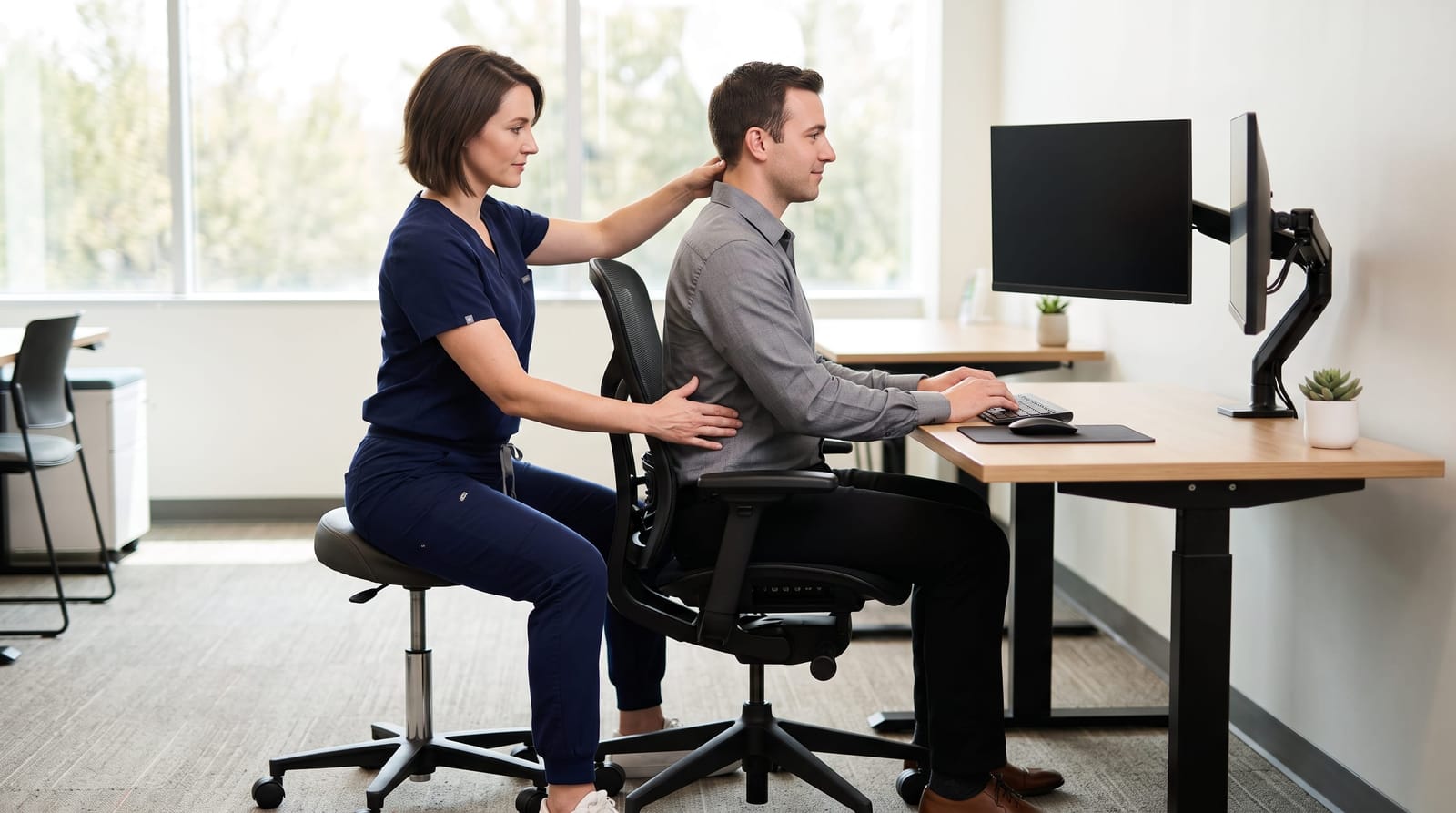
For professionals in sedentary roles, the concern is real. Prolonged sitting, forward head posture, and asymmetrical weight-bearing can place uneven stress on an already curved spine. This doesn't mean sitting "causes" scoliosis, but it can amplify the discomfort that comes with it.
Common Symptoms Adults Report
- Uneven shoulder or hip height
- Muscle fatigue and tension along one side of the back
- Low back pain or stiffness, particularly after long periods of sitting
- Radiating discomfort into the legs in more advanced cases
- Visible postural changes over time
It's worth noting that curve severity doesn't always predict pain intensity. Some people with moderate curves feel significant discomfort; others with similar curves feel very little. That variability is exactly why individualized assessment matters so much.
What Chiropractic Manipulation Evidence-Based Research Actually Says
One reason adult scoliosis is underserved online is that evidence-based conversations about chiropractic care and scoliosis tend to be nuanced, and nuance doesn't always make for easy search results. So let's be clear about what the research does and doesn't say.
Chiropractic manipulation evidence-based support is strongest in the area of musculoskeletal pain management. The American College of Physicians: one of the most respected medical organizations in the U.S.: includes spinal manipulation in its clinical guidelines for managing low back pain, recommending it alongside therapies like massage and acupuncture as a first-line, non-pharmacological approach.
A multi-site pragmatic clinical trial highlighted by Palmer College of Chiropractic concluded that chiropractic care is "safe, effective, and can be integrated into multidisciplinary health-care settings." That kind of large-scale, patient-centered evidence is meaningful, not as a promise of specific outcomes, but as a signal that chiropractic care earns its place in collaborative, evidence-informed care.
For scoliosis specifically, the research landscape is still developing. Studies show that chiropractic-based approaches can help reduce pain, improve range of motion, and support better function in adults with scoliosis. What chiropractic care does not claim, and should not claim, is that it straightens a structural curve. That's an important distinction, and any practice that tells you otherwise is overstating the evidence.
What "Evidence-Based" Means in Practice
Evidence-based care means treatment decisions are guided by the best available research, combined with clinical expertise and patient values. For a chiropractor working with an adult scoliosis patient, this looks like:
- Thorough assessment of the curve pattern and symptom profile before any intervention
- Clear, realistic goals: typically focused on reducing discomfort and improving daily function
- Selecting techniques appropriate for the individual's age, curve severity, and overall health
- Collaborating with other providers when needed, including orthopedic specialists or physical therapists
Spinal Manipulation for Adult Scoliosis: What the Process Looks Like
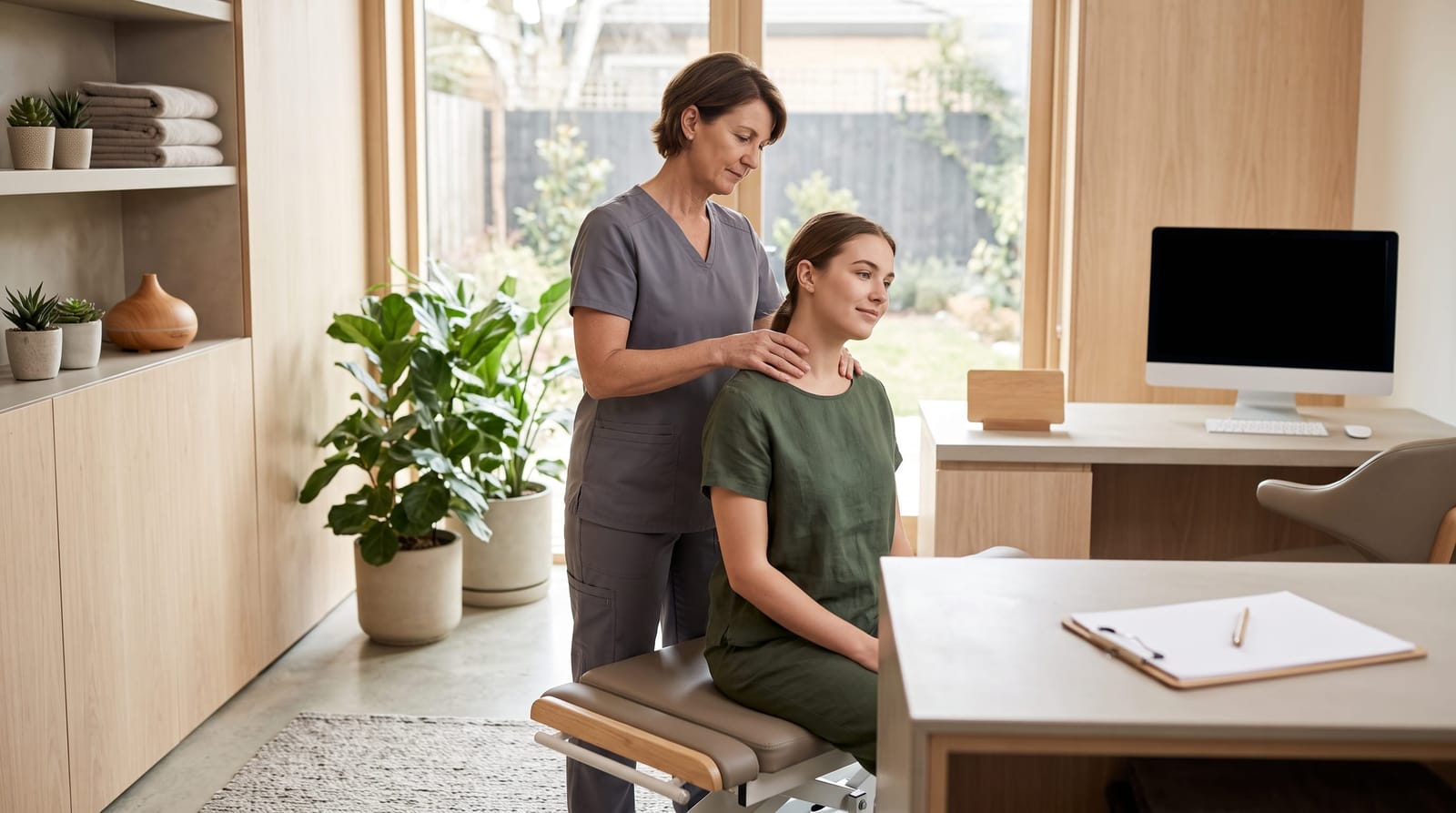
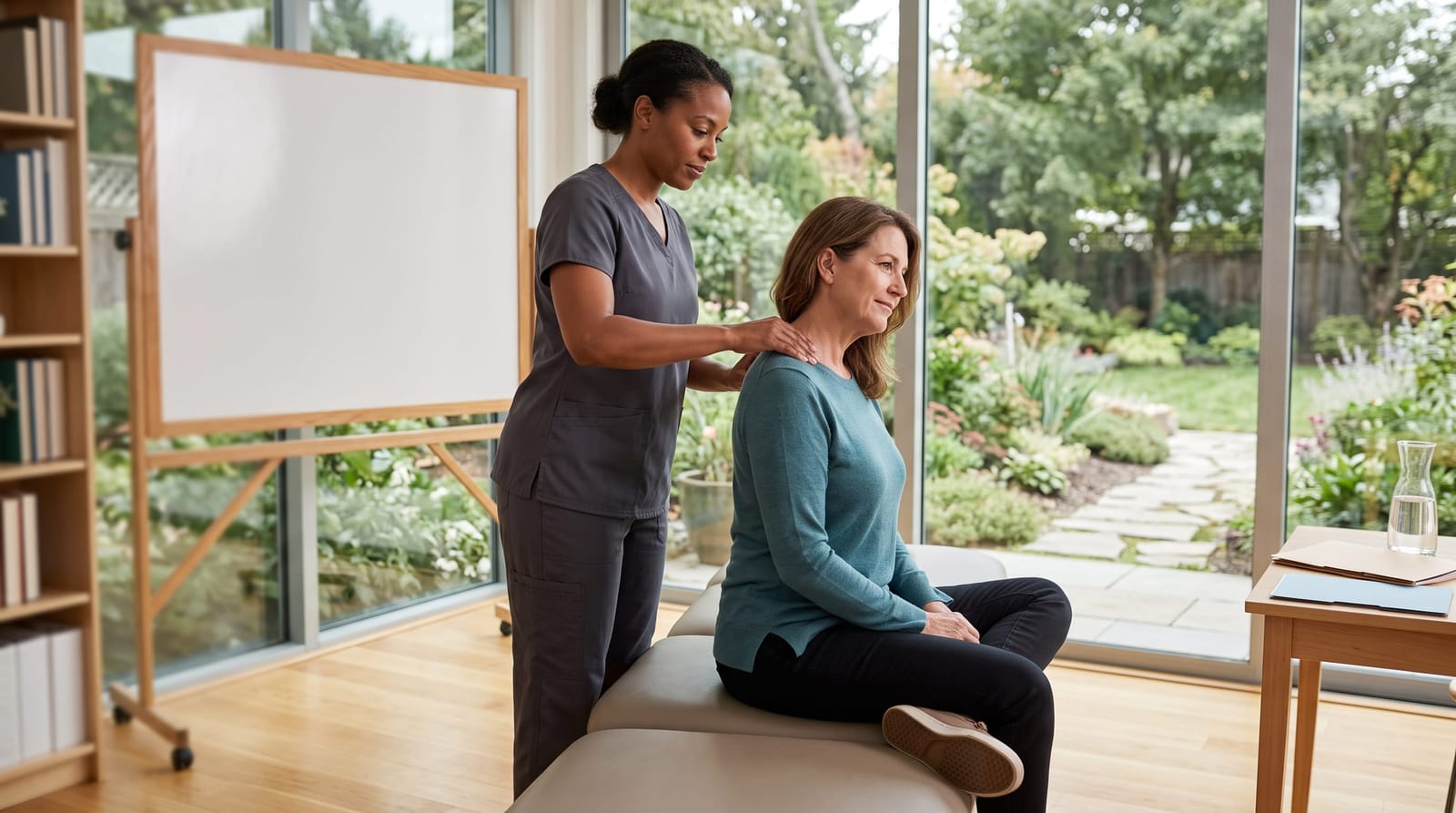
Chiropractic manipulation for adults with scoliosis is applied with care and precision. Techniques are often modified compared to what might be used for a straightforward low back pain case, and that matters. A curved spine has unique biomechanical characteristics, and skilled chiropractors account for this in every adjustment.
Common approaches include low-force or instrument-assisted adjustments, which deliver targeted input to specific spinal segments with less rotational force. Side-posture adjustments may also be used selectively, depending on the curve location and patient comfort. The goal is not to force the spine into a different position but to improve segmental mobility, reduce joint restriction, and support more balanced muscle function around the affected area.
Session Frequency and Realistic Expectations
For adults with scoliosis, care plans are typically structured in phases. An initial phase might involve more frequent visits, perhaps 2 to 3 times per week over 4 to 6 weeks, focused on reducing acute discomfort and improving mobility. A maintenance or supportive phase that follows is often less frequent, centered on long-term function and monitoring.
Patients should expect gradual, incremental changes rather than dramatic immediate results. Many adults report meaningful improvements in daily comfort and movement quality within the first few weeks of consistent care, though individual experiences vary widely, and no specific outcome can be guaranteed.
Spinal Decompression Therapy: A Valuable Companion Approach
For adults with scoliosis who also experience disc-related pressure, a common combination in degenerative cases, spinal decompression therapy can be a useful addition to the care plan.
Non-surgical spinal decompression uses a motorized traction table to gently elongate the spine, creating negative pressure within the disc space. This may help reduce compression on spinal nerves, improve disc hydration, and relieve the radiating discomfort that sometimes accompanies scoliosis in the lumbar region.
It's a gentle, non-invasive therapy. Most patients find sessions comfortable: some describe it as a mild, rhythmic stretching sensation. Sessions typically run 15 to 30 minutes, and a full course of care often spans several weeks.
Decompression is not appropriate for every scoliosis patient. Individuals with certain curve patterns, osteoporosis, or other spinal conditions may not be good candidates. That's another reason comprehensive assessment before beginning any care is so important, and why this type of therapy is always applied within an individualized, professional context.
Custom Orthotics: Supporting the Foundation from the Ground Up
It may seem surprising that foot support plays a role in spinal health, but the connection is well-established in musculoskeletal care. The body operates as a kinetic chain, meaning imbalances in the feet and ankles can ripple upward through the knees, hips, and spine.
For adults with scoliosis, custom orthotics are sometimes incorporated into a broader care plan to address leg length discrepancies or asymmetrical weight distribution: both of which can increase mechanical stress on a curved spine. Studies have shown that leg length inequality, even when subtle (as little as 5 to 10 millimeters), can influence pelvic tilt and lumbar curvature.
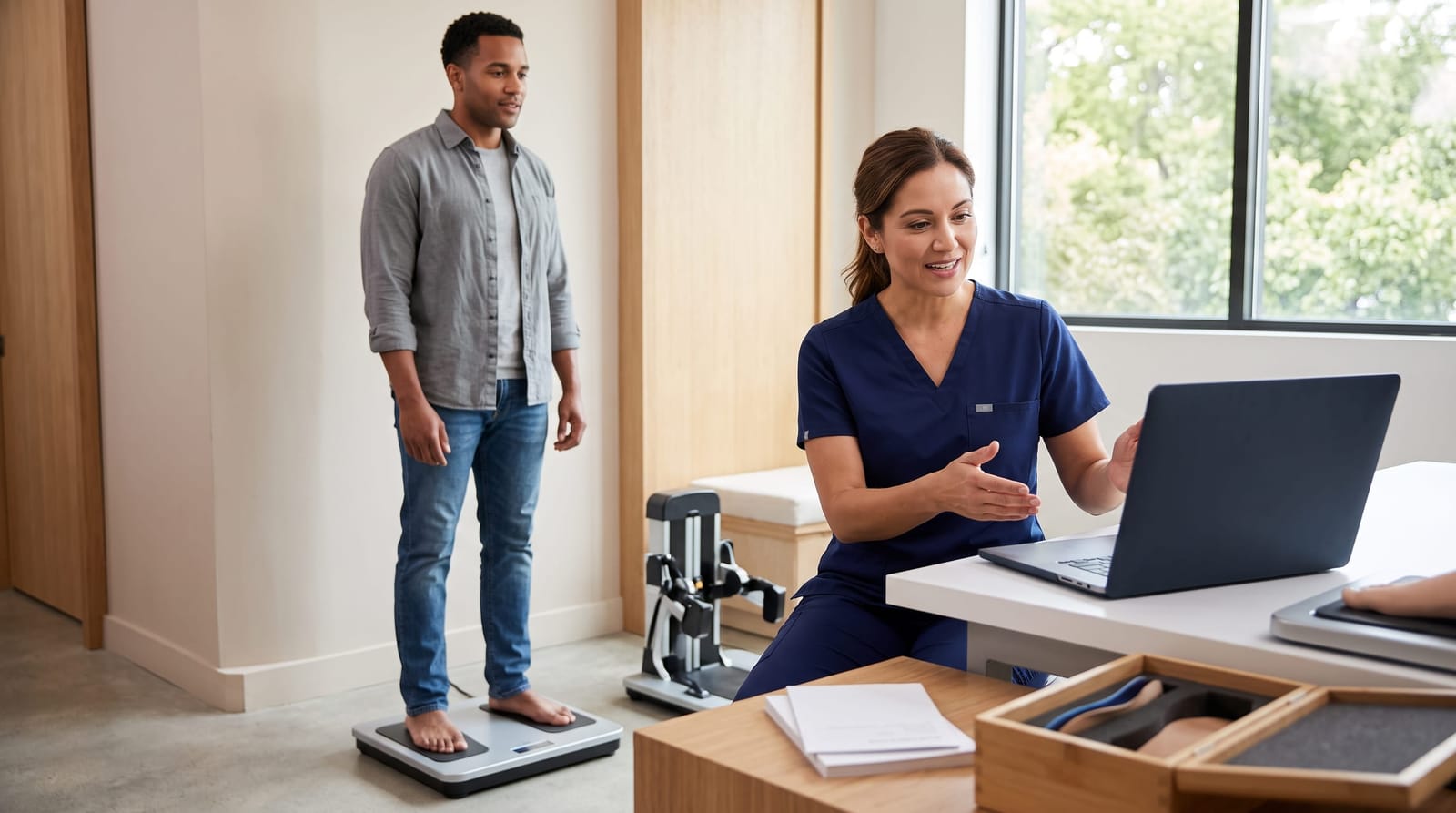
Custom orthotics are different from off-the-shelf insoles. They're designed from an individual foot scan or impression and calibrated to provide specific support where it's most needed. When used alongside spinal manipulation and postural exercises, they contribute to a more complete approach to spinal balance.
For professionals who spend much of their day standing, walking between meetings, or commuting, orthotic support can also reduce the cumulative strain that accumulates over a long workday.
Connecting Scoliosis Care to Broader Postural Wellness
Adult scoliosis doesn't exist in isolation: it intersects with many of the postural challenges that professionals face in modern work environments. Forward head posture from prolonged screen use, for example, can increase the load on an already asymmetrical spine. Understanding how these issues overlap is part of what makes a comprehensive approach so valuable.
If you're working through issues related to screen time and neck tension, our post on chiropractic manipulation neck pain explores how forward head posture develops and what targeted care can address. For those interested in how footwear and ground-up support influence spinal alignment, our coverage of custom orthotics fix posture provides helpful context. And if your workday involves long hours at a desk, the practical strategies in our guide to ergonomic desk setup offer a natural complement to in-office chiropractic care.
Scoliosis management works best when it's part of a bigger picture: one that includes how you sit, how you move, what you wear on your feet, and how consistently you're supporting your spine throughout the day.
Related Topics Worth Exploring
Adult scoliosis care connects to several detailed topics that are worth exploring if you want a fuller picture of how chiropractic supports spinal health:
- How spinal decompression therapy works mechanically and who benefits most
- The role of corrective exercises in stabilizing a scoliotic curve
- Postural re-education techniques used alongside manipulation
- How chiropractic care fits into multidisciplinary scoliosis management
These subtopics are explored in more depth across our broader cluster of spinal health content: each one designed to give you genuinely useful information rather than surface-level answers.
Taking the Next Step for Your Spinal Health
Adult scoliosis is a manageable condition for most people, especially when it's approached early, thoughtfully, and with realistic expectations. Chiropractic manipulation, backed by a growing body of evidence-based research, can play a meaningful role in reducing discomfort, supporting mobility, and helping professionals maintain the quality of life they've worked hard to build.
The key is individualized care. No two spines are alike, and no two scoliosis presentations are either. If you've been experiencing back discomfort, postural changes, or simply want to understand your spinal health better, a comprehensive assessment is a natural starting point. At Prodigy Chiro Care, we're here to have that conversation with you, without pressure, and with your long-term wellness always at the center.
Ready to learn more? Reach out to schedule a consultation and take the first step toward understanding your spine a little better.