How Many Cold Laser Therapy Sessions Do You Need to See Results?
If you're exploring cold laser therapy as part of your wellness journey, one of the first practical questions that comes to mind is a simple one: How long is this going to take? It's a fair question, and one that deserves a thoughtful, honest answer. Understanding treatment frequency is a core part of what we cover in our broader guide to cold laser therapy side effects, safety, and the overall patient experience, because knowing what to expect before you start helps you feel confident and prepared.
The short answer is that most people need somewhere between 6 and 12 sessions to notice meaningful results, though the full picture is more nuanced than that. Factors like the nature of your condition, how long you've been dealing with it, and how your body personally responds to photobiomodulation all play a role. This guide walks you through what those factors look like in practice, so you can have an informed conversation with your care provider.
Why Cold Laser Therapy Isn't a One-and-Done Treatment
One of the most important things to understand about cold laser therapy, also called low-level laser therapy or photobiomodulation, is that it works through a cumulative biological process. The laser energy delivered during each session is absorbed by cells, where it's thought to support natural cellular repair and reduce inflammation at the tissue level. This isn't an immediate on/off switch. It's more like watering a plant: each session adds to the effect, and the benefits tend to build gradually over time.
This cumulative nature means that patience and consistency are genuinely important parts of the process. Patients who stop after one or two sessions because they haven't noticed a dramatic shift may be leaving before the treatment has had a chance to gain momentum. Most practitioners design cold laser protocols with this progression in mind: beginning with more frequent sessions and then spacing them out as the body responds.
Think of it similarly to physical therapy or exercise: one session provides some benefit, but the real results come from sticking with a structured plan over several weeks. Cold laser therapy works best when it's part of a consistent, scheduled approach rather than an occasional add-on.
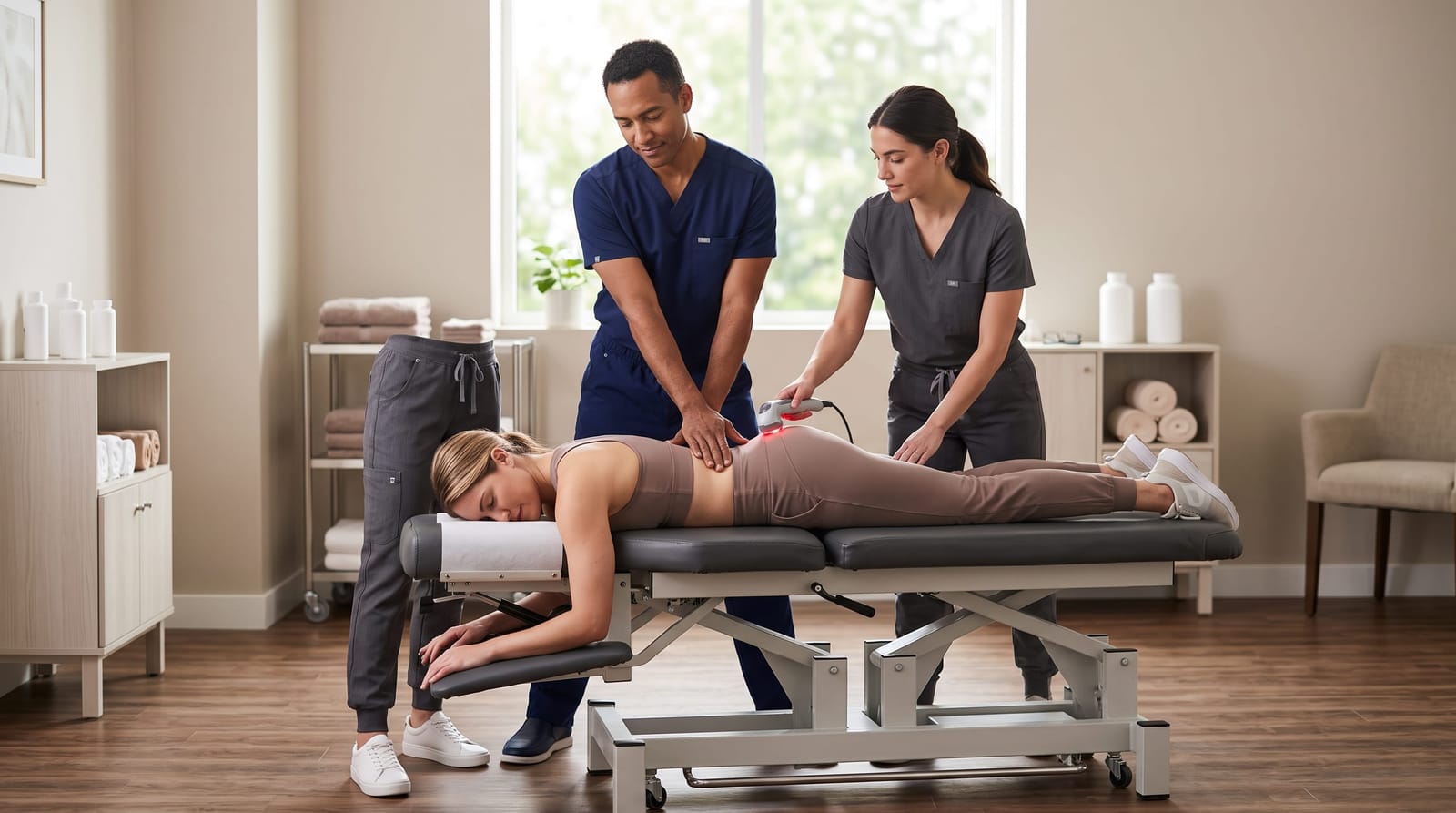
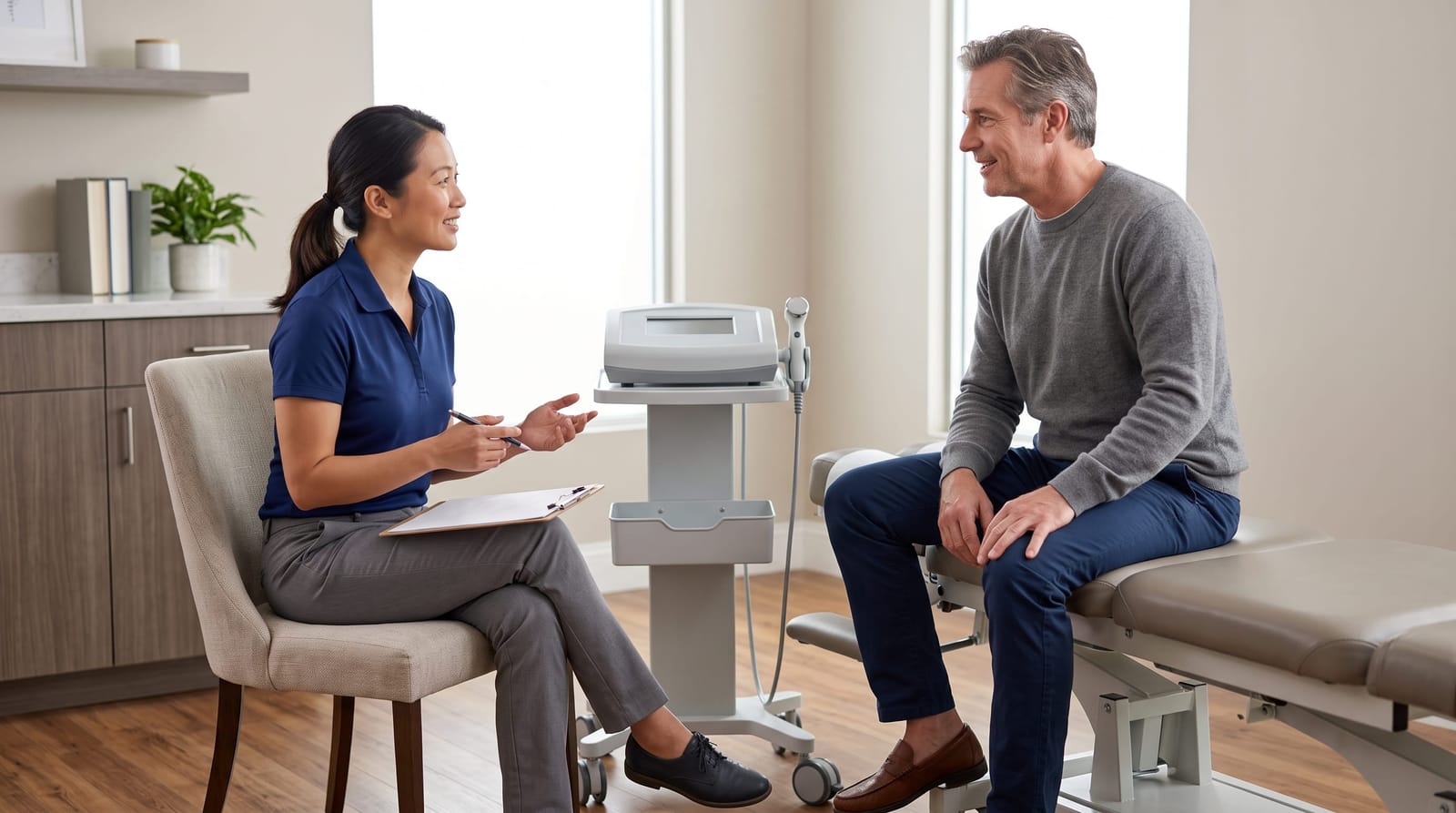
This is also why the conversation you have with your chiropractor or care provider before starting treatment matters so much. A personalized plan, one that considers your specific condition and goals, is far more useful than a generic number pulled from a general guideline.
Acute vs. Chronic Conditions: How Presentation Changes the Protocol
Perhaps the biggest variable in determining how many sessions you'll need is whether your condition is acute (recent and sudden in onset) or chronic (ongoing, long-standing, or recurring). These two presentations often call for meaningfully different approaches.
Acute Conditions
Acute injuries, such as a recent muscle strain, a fresh sports injury, or a new episode of neck discomfort, tend to respond more quickly to cold laser therapy. The tissue involved is recently disrupted, and the inflammatory response is still in its early stages. In these cases, some patients begin noticing a difference within the first few sessions, and a shorter overall protocol (often in the 6 to 8 session range) may be appropriate. Sessions may also be scheduled more frequently at the start, sometimes every day or every other day, to get ahead of the inflammatory process early.
Chronic Conditions
Chronic conditions are a different story. When discomfort or dysfunction has been present for months or years, the tissue and surrounding structures have often undergone longer-term changes. Scar tissue, persistent inflammation, and compensatory movement patterns all become part of the picture. As a result, chronic presentations generally require more sessions, sometimes 10 to 12 or beyond, and progress can feel slower and more gradual. That's not a failure of the therapy; it reflects the more complex nature of what the body has been managing over time.
If you've been dealing with something for a long time, it's worth going into your care plan with realistic expectations: meaningful improvement is possible, but it often unfolds over several weeks rather than a few visits.
Typical Session Protocols for Common Conditions
While every patient's care plan should be individualized by their provider, it can be helpful to have a general sense of what protocols often look like for some of the conditions most commonly addressed with cold laser therapy. Here's a practical overview:
Sciatica and Lower Back Discomfort
Sciatic nerve-related discomfort can range from occasional and mild to persistent and disruptive. For many patients, cold laser therapy is introduced as one component of a broader care plan that may also include chiropractic adjustments or rehabilitative exercises. Session protocols for sciatica-type presentations often fall in the 8 to 12 session range, with sessions scheduled two to three times per week in the early weeks. Because the sciatic nerve pathway is long and can involve multiple contributing structures, some individuals may benefit from extended care.
Tennis Elbow (Lateral Epicondylitis)
Tennis elbow is a repetitive strain condition affecting the tendons on the outer side of the elbow. It's a common target for cold laser therapy and tends to respond reasonably well over a structured course of care. Protocols typically run 6 to 10 sessions, often two to three times per week. Because tendon tissue has relatively limited blood supply and heals more slowly than muscle, consistency matters here, as does addressing any repetitive activities that may be contributing to the condition.
Carpal Tunnel Syndrome
Carpal tunnel syndrome involves compression of the median nerve at the wrist, and many patients explore cold laser therapy as a conservative option before considering more invasive approaches. Session counts in the 8 to 12 range are common, often spread over four to six weeks. Some patients with mild to moderate presentations report noticing gradual changes in comfort and hand function over the course of a full protocol, though individual experiences vary considerably.
Neck and Shoulder Discomfort
Neck stiffness and shoulder tension, often compounded by posture habits and desk-based work, are among the more frequently treated areas in chiropractic settings. Protocols here can range from 6 to 10 sessions depending on the chronicity and the structures involved. Many patients find that pairing cold laser therapy with posture guidance or soft tissue work enhances the overall experience.
What a Typical Cold Laser Session Schedule Looks Like
Understanding the rhythm of a cold laser therapy schedule helps patients plan their time and stay committed to the process. Here's what a fairly typical phased approach might look like in practice:
- Weeks 1-2 (Initial Phase): Sessions are often scheduled two to three times per week. This higher frequency is intended to establish momentum and support the body's early response. Each session itself is brief: typically 5 to 20 minutes depending on the area being treated and the equipment used.
- Weeks 3-4 (Building Phase): As the body begins to respond, session frequency may remain consistent or begin to taper slightly. This is often when patients start noticing incremental changes in comfort or mobility.
- Weeks 5-6 (Maintenance or Reassessment Phase): At this stage, your provider will evaluate how you've responded and determine whether additional sessions are warranted, whether the frequency can be reduced, or whether the goals of care have been met.
Because sessions are brief, many patients find it straightforward to fit them into a regular weekly schedule alongside other appointments. If you're curious about what the experience of being in the room actually feels like, our guide on cold laser therapy patient experience offers a first-timer's perspective that may help ease any uncertainty.
Factors That Influence Your Personal Response
Two people with the same diagnosis can have meaningfully different experiences with cold laser therapy, and that's completely normal. A number of individual factors influence how someone responds and how quickly results develop:
Age and Tissue Health
Cellular function naturally changes as we age, and tissue that has experienced years of wear or previous injury may respond more gradually than younger, healthier tissue. This doesn't mean older patients see less benefit: it may simply mean the timeline looks a little different.
Overall Health and Lifestyle Habits
Sleep quality, nutrition, hydration, and activity level all influence how effectively the body can respond to and integrate the effects of laser therapy. Patients who are actively supporting their overall wellness, even through modest adjustments like staying hydrated and moving regularly, often find their recovery experience more positive.
Consistency with the Care Plan
Skipping sessions or significantly spreading out appointments can interrupt the cumulative process that makes cold laser therapy effective. If scheduling challenges arise, communicating with your provider early helps them adjust the plan without losing the progress you've made.
Severity and Duration of the Condition
As covered earlier, long-standing or more complex conditions naturally take longer to address. Setting realistic expectations from the beginning, rather than hoping for rapid results, tends to make the experience more satisfying overall.
If you're weighing cold laser therapy as part of your care decisions, it's also worth understanding what the research and regulatory landscape looks like. Our overview of cold laser therapy FDA approved status offers helpful context on where this therapy stands from a safety and oversight perspective.
When to Reassess and What Progress Actually Looks Like
One of the most reassuring things a care provider can do is build in natural reassessment points during your treatment plan. Rather than just counting down to a fixed number of sessions, a thoughtful protocol includes check-ins to evaluate how things are progressing, and to adjust as needed.
Progress in cold laser therapy often shows up in ways that are more subtle than a sudden, dramatic shift. Patients frequently describe noticing that they're sleeping better, that a movement that used to feel tight now feels more comfortable, or that they're relying less on other interventions to get through the day. These gradual shifts are meaningful markers, even if they're easy to overlook in the moment.
It's also worth knowing that some patients choose periodic maintenance sessions after completing their initial protocol: particularly if they have a recurring condition or physically demanding lifestyle. Whether that makes sense for you is a conversation best had with your provider based on how you've responded.
Related Topics Worth Exploring
How many sessions you need is just one piece of the pre-treatment picture. If you're still in the research phase, you may also find value in learning more about what it actually feels like to receive cold laser therapy, including what sensations are typical and how to prepare for your first appointment. Our post on cold laser therapy patient experience is a great next read for first-timers who want to walk in feeling informed and relaxed.
Key Takeaways
Cold laser therapy is a gradual, cumulative process, and that's actually a feature, not a limitation. Understanding that results build over time, and that the number of sessions varies based on your specific condition and history, helps you approach your care plan with realistic and grounded expectations.
Most patients see meaningful results within 6 to 12 sessions, with acute conditions often responding more quickly than chronic ones. Consistency, honest communication with your provider, and a willingness to give the process adequate time are the most important things you can bring to the experience.
If you're ready to learn more about whether cold laser therapy might be a good fit for your wellness goals, we'd love to talk. Contact Prodigy Chiro Care today to schedule a consultation and get a clearer sense of what a personalized care plan could look like for you.