Cold Laser Therapy Side Effects: Separating Fact from Fiction
When you're researching a new treatment, questions about safety naturally come first. If you've been exploring cold laser therapy as part of your broader wellness journey, perhaps after reading about the overall treatment experience, you've likely encountered a mix of enthusiastic praise and cautionary warnings online. The challenge is knowing which information to trust. Cold laser therapy side effects are one of the most searched topics in this space, and for good reason: patients deserve clear, honest answers before committing to any care plan. This overview cuts through the noise by examining what the research actually shows, explaining what normal post-session sensations look like, comparing the safety profile to common alternatives, and identifying who should speak with a provider before starting treatment.
What Cold Laser Therapy Actually Does to Your Tissue
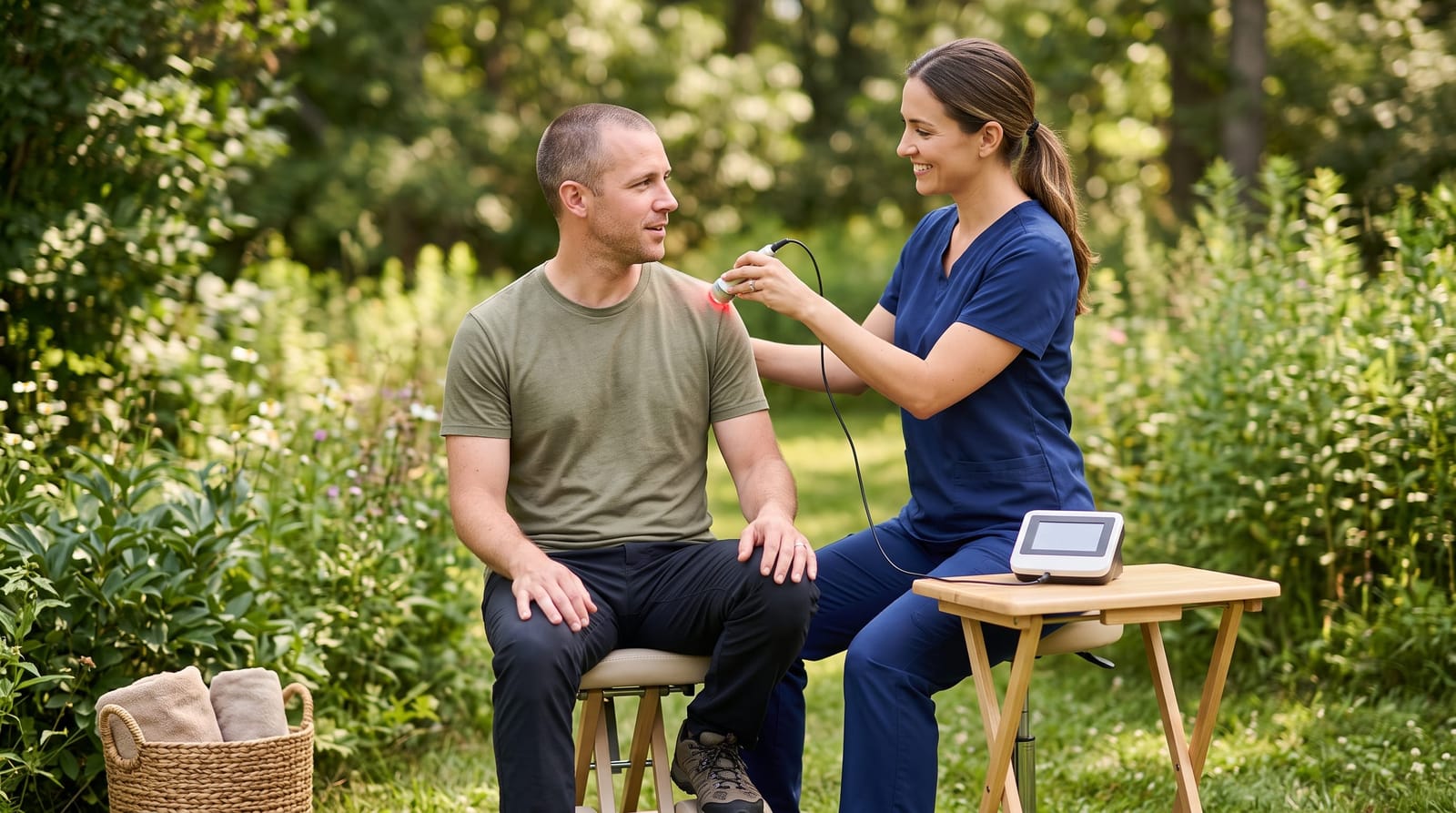
Understanding side effects starts with understanding the therapy itself. Cold laser therapy, also called low-level laser therapy (LLLT) or photobiomodulation, uses specific wavelengths of light, typically between 600 and 1000 nanometers, to penetrate soft tissue without generating significant heat. Unlike surgical lasers, which cut or cauterize, cold lasers deliver energy at a level designed to stimulate cellular activity rather than damage tissue. The term "cold" refers to this low-power output, not to a temperature sensation.
During a session, photons of light are absorbed by mitochondria: the energy-producing structures within your cells. This absorption is thought to support natural cellular processes, including those involved in tissue repair and inflammation management. Because no incisions are made, no chemicals are introduced into the body, and no thermal damage occurs at therapeutic intensities, the mechanism itself is inherently less disruptive than many other interventions.
This context matters when evaluating side effect claims. Many fears people bring to their research are rooted in associations with other types of lasers, industrial lasers, cosmetic ablative lasers, or surgical tools, that operate at dramatically higher power levels. Cold laser therapy operates in an entirely different category, and conflating the two leads to unnecessary concern.
Documented Side Effects: What the Evidence Shows
Honesty matters here. Cold laser therapy does have a documented side effect profile: it's just a notably modest one compared to many other pain management and recovery approaches.
Common, Mild, and Temporary Reactions
The most frequently reported responses after a cold laser therapy session include:
- Temporary redness at the treatment site: A mild flushing of the skin that typically resolves within a few hours
- Mild warmth or tingling: Some patients describe a subtle warmth or gentle tingling sensation during or shortly after treatment
- Temporary increase in soreness, In some cases, particularly during the first one or two sessions, an area may feel slightly more tender before it begins to feel better; this is sometimes called a "healing response"
- Fatigue: A small number of patients report feeling briefly tired after treatment, which may reflect the body's response to stimulated tissue activity
These reactions are generally self-limiting. Most patients experience no noticeable discomfort at all during or after a session, and the vast majority are able to return to their normal daily routine immediately, including work, without any required recovery period.
Rare Adverse Events
In rare cases, particularly when treatment parameters are not properly calibrated or when safety protocols are not followed, more significant reactions have been reported. These include:
- Skin irritation or mild burns: Documented primarily in cases of equipment misuse or prolonged exposure at incorrect settings
- Blistering: Extremely uncommon and typically associated with improper application rather than the therapy itself under standard clinical conditions
- Eye sensitivity: The eyes are the most vulnerable structure during laser therapy; this is why protective eyewear is always provided during treatment sessions
It's worth noting that these rare events are not typical outcomes of properly administered cold laser therapy. They underscore the importance of receiving treatment from trained providers using calibrated equipment, which is standard practice at established chiropractic and wellness clinics.
Normal Post-Treatment Sensation Versus a Genuine Concern
One of the most common sources of patient anxiety is not knowing what to expect after a session. Feeling something unexpected can feel alarming even when it's entirely within the range of normal. Here's a practical guide to interpreting what your body may tell you in the hours following cold laser therapy.
What's Considered Normal
Slight skin redness that fades within two to four hours is normal. A mild sensation of warmth at the treatment site is normal. Temporary tenderness in an area that was already inflamed or irritated before treatment is also within the expected range, particularly early in a treatment series. Some patients describe a pleasant sensation of relaxation in the treated area.
When to Check In With Your Provider
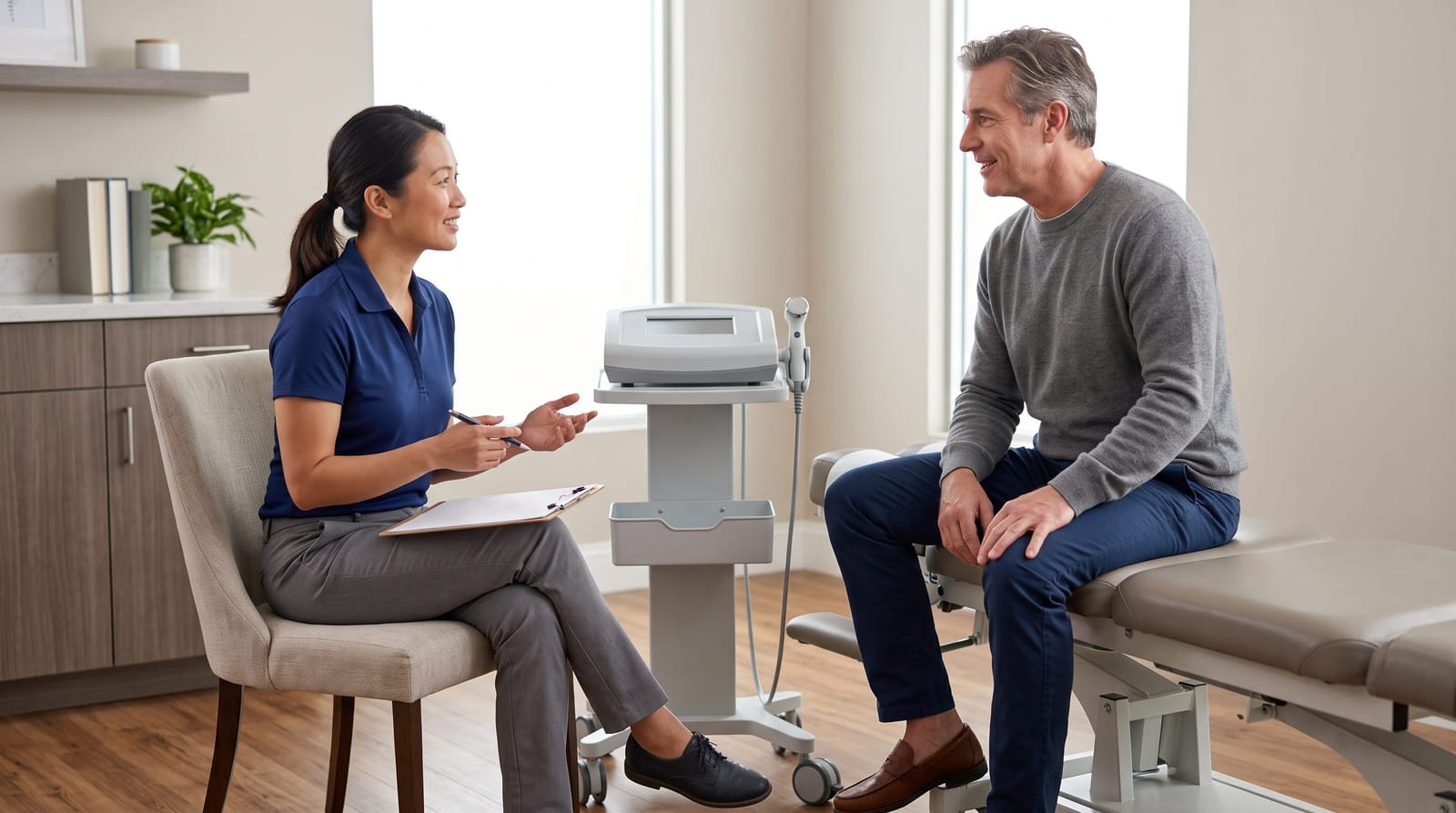
While serious adverse events are uncommon, patients should reach out to their provider if they notice persistent burning or skin changes that don't resolve within 24 hours, significant swelling that worsens rather than improves following sessions, or any reaction that feels distinctly different from what was described before treatment began. Open communication with your care team is always appropriate: providers expect and welcome these conversations.
Comparing Cold Laser Therapy Side Effects to Common Alternatives
Context is one of the most useful tools for evaluating any side effect profile. Cold laser therapy is often considered by patients who are weighing it against medications, injections, or surgical options. A side-by-side perspective helps clarify where it sits on the risk spectrum.
Cold Laser Therapy vs. Common Pain Medications
Long-term use of nonsteroidal anti-inflammatory drugs (NSAIDs), one of the most common approaches to managing musculoskeletal discomfort, carries a documented risk of gastrointestinal complications, including stomach ulcers, as well as potential effects on kidney function and cardiovascular health with extended use. Prescription opioid medications carry well-documented risks of dependency. Unlike these pharmaceutical approaches, cold laser therapy does not introduce any substance into the body, carries no risk of gastrointestinal side effects, and has no known dependency profile.
Cold Laser Therapy vs. Corticosteroid Injections
Corticosteroid injections can be effective for localized inflammation but are typically limited in frequency due to potential effects on tissue integrity with repeated use, including tendon weakening with multiple injections in the same site. Cold laser therapy is non-injectable and does not carry these specific concerns under clinical use.
Cold Laser Therapy vs. Surgery
Surgical interventions, while appropriate and necessary in certain situations, carry the full range of risks associated with anesthesia, infection, healing complications, and often require weeks to months of recovery. Cold laser therapy requires no recovery time between sessions, and patients typically experience no downtime whatsoever. For conditions where patients and their medical teams are exploring conservative options first, such as cold laser therapy for carpal tunnel or similar repetitive strain issues: this distinction in recovery burden is often significant.
This comparison isn't meant to position cold laser therapy as superior to any other approach: each patient's situation is unique, and treatment decisions should always involve their healthcare providers. It does, however, illustrate that the side effect profile of cold laser therapy is notably mild within the broader landscape of pain management options.
Who Should Discuss Cold Laser Therapy With a Provider Before Starting
Cold laser therapy is widely considered safe for the majority of patients, but there are specific circumstances where additional provider consultation is important before beginning a treatment series.
Conditions Requiring Provider Consultation
- Pregnancy: Cold laser therapy is generally avoided directly over the abdomen or low back during pregnancy out of caution, though the evidence base specifically addressing this population is limited
- Active cancer or history of cancer: Treatment over known tumor sites is typically contraindicated; patients with a cancer history should discuss their specific situation with their oncology team and their chiropractic provider
- Photosensitivity conditions or medications: Certain medications and skin conditions can increase light sensitivity; disclosure of all current medications is important before beginning
- Pacemakers or implanted electronic devices, While cold laser does not involve electrical current, providers typically exercise caution near implanted devices
- Treatment directly over the eyes: Proper protective eyewear is non-negotiable; treatment is never applied directly to the eyes
- Thyroid area: Many practitioners avoid direct treatment over the thyroid gland as a precautionary measure
A thorough intake process with your provider will cover these considerations. Questions about whether cold laser therapy is safe for specific areas like the neck and shoulders are common and worth raising directly with your care team, particularly if you have pre-existing conditions in those regions.
Regulatory Status and What It Means for Patient Safety
One question closely tied to safety concerns is how cold laser therapy is regulated. Patients reasonably want to know whether the devices being used have been evaluated by a regulatory body. Understanding the cold laser therapy FDA approval landscape helps clarify the standards that govern device use in clinical settings and provides important context for evaluating provider credibility.
Studies examining cold laser therapy have generally reported low adverse event rates, with a 2010 review published in the journal Photomedicine and Laser Surgery noting that when proper protocols are followed, serious adverse effects are rare. More broadly, the therapy has been studied in over 4,000 published research papers examining its application across a range of musculoskeletal conditions, which reflects a meaningful body of accumulated clinical observation: a far cry from an experimental or unproven approach. Approximately 90% of studies on low-level laser therapy report positive findings in tissue repair and inflammation reduction outcomes, though individual results will always vary.
For patients researching conditions like cold laser treatment for tennis elbow, the combination of regulatory context and a growing research base can help inform more confident conversations with a care team.
Related Topics Worth Exploring
If you're doing thorough research before your first session, several related areas can help complete your picture of what to expect. Understanding the safety profile of cold laser therapy for specific regions of the body, such as the neck and shoulders, can address location-specific concerns. Exploring how it's been studied for conditions like carpal tunnel or tennis elbow may also be relevant if those are among the reasons you're considering treatment. Each of these topics builds on the foundational safety overview covered here.
Key Takeaways
Cold laser therapy has a well-documented side effect profile that leans heavily toward mild and temporary: most commonly light redness, brief warmth, or minimal sensitivity that resolves on its own. Serious adverse events are rare and are most often associated with improper application rather than the therapy itself when used correctly. Compared to pharmaceutical and surgical alternatives, the disruption to daily life is minimal: no downtime, no recovery period, and no systemic chemical effects.
The patients most likely to benefit from a clearer understanding of cold laser therapy side effects are those who ask good questions before they start, and that's exactly the right approach. If you're ready to have an honest conversation about whether cold laser therapy fits your wellness goals, the team at Prodigy Chiro Care is here to listen, answer your questions, and help you make a confident, informed decision. Reach out today to schedule a consultation.