Complete Guide to Spinal Decompression Therapy: Non-Surgical Treatment for Back Pain in Los Angeles
If you're among the millions struggling with chronic back pain, herniated discs, or sciatica, you've likely explored countless treatment options. Surgery feels too invasive. Medication only masks symptoms. Physical therapy provides temporary relief at best. What if there was a proven, non-surgical solution that addresses the root cause of your pain?
Spinal decompression therapy Los Angeles represents a breakthrough in treating disc-related conditions. This FDA-cleared treatment uses advanced computerized technology to gently stretch the spine. It creates negative pressure within spinal discs. This process allows herniated material to retract and promotes healing.
Los Angeles has become a hub for this innovative therapy. Leading clinics utilize state-of-the-art equipment like the DRX9000 and Triton systems. These provide precise, targeted treatment that traditional traction simply cannot match.
This comprehensive guide explores everything about spinal decompression therapy Los Angeles. You'll discover how the treatment works at a cellular level. We'll examine which conditions respond best to therapy. You'll learn what to expect during treatment sessions. Most importantly, you'll understand why thousands choose this over invasive surgery.
Whether you're considering spinal decompression therapy Los Angeles for the first time or researching alternatives to surgery, this guide provides expert insights. We'll help you make informed decisions about your spinal health and pain relief options.
What is Spinal Decompression Therapy?
Spinal decompression therapy is a non-surgical treatment that relieves pressure on spinal discs and nerves. Unlike traditional traction, this computerized therapy provides precise, controlled decompression. The treatment targets specific spinal segments affected by disc degeneration or injury.
The therapy works by creating negative intradiscal pressure. This phenomenon allows disc material to retract from nerve roots. Fresh nutrients and oxygen flow into damaged discs. The healing environment promotes disc rehydration and repair.
Modern spinal decompression therapy Los Angeles clinics use FDA-cleared equipment. These systems deliver treatment protocols based on extensive clinical research. The computerized nature ensures consistent, reproducible results that manual techniques cannot achieve.
How Spinal Decompression Differs from Traditional Traction
Traditional traction applies constant pulling force to the spine. This often triggers protective muscle spasms that limit effectiveness. Spinal decompression therapy uses logarithmic curves and pauses. These prevent muscle guarding while maximizing therapeutic benefit.
The computer-controlled systems monitor patient response throughout treatment. They adjust force and angle automatically based on real-time feedback. This precision targeting makes spinal decompression therapy Los Angeles significantly more effective than older methods.
Clinical studies demonstrate superior outcomes with computerized decompression. Success rates range from 71% to 89% for disc-related conditions. These results far exceed traditional conservative treatments.
The Science Behind Negative Pressure
Research published in Orthopedic Technology Review demonstrates measurable pressure changes during decompression. Intradiscal pressure drops from positive to negative values. This creates a vacuum effect within the disc space.
The negative pressure environment facilitates disc healing through multiple mechanisms. Herniated material retracts away from compressed nerves. Disc height increases as rehydration occurs. Blood flow improves to previously ischemic tissues.
MRI studies show actual disc height improvements following treatment courses. These objective findings validate the physiological changes occurring during spinal decompression therapy Los Angeles.
Conditions Effectively Treated with Spinal Decompression
Spinal decompression therapy Los Angeles addresses a wide range of disc-related conditions. The treatment proves most effective for patients with nerve compression symptoms. Proper patient selection ensures optimal outcomes and satisfaction rates.
Herniated discs respond exceptionally well to decompression therapy. The negative pressure environment allows protruding disc material to retract. Pain relief often occurs within the first few treatment sessions. Long-term outcomes show sustained improvement in most patients.
Bulging discs benefit from the disc height restoration that decompression provides. As disc space increases, pressure on surrounding structures decreases. Patients experience reduced pain and improved mobility. The treatment addresses the underlying structural problem rather than just symptoms.
Sciatica and Nerve Root Compression
Sciatica affects millions of Americans with shooting leg pain and numbness. Spinal decompression therapy Los Angeles provides targeted relief for nerve root compression. The treatment addresses the mechanical cause of sciatic symptoms.
As disc pressure reduces, compressed nerve roots gain space to heal. Inflammation decreases as irritation sources are removed. Patients typically notice leg pain improvement before back pain resolution. This pattern indicates successful nerve decompression.
Studies show 71% of sciatica patients achieve good to excellent results. These outcomes include pain reduction, improved function, and avoided surgery. Many patients return to activities they hadn't enjoyed in years.
Degenerative Disc Disease
Degenerative disc disease involves progressive disc deterioration and height loss. Spinal decompression therapy Los Angeles can slow or reverse this process. The treatment promotes disc rehydration and nutrient exchange.
Decompression creates space for disc expansion and healing. Improved blood flow delivers essential nutrients to disc cells. The mechanical unloading allows damaged tissue to repair itself naturally.
Long-term studies demonstrate sustained disc height improvements. Patients maintain functional gains years after completing treatment. This suggests actual tissue healing rather than temporary symptom relief.
Spinal Stenosis
Spinal stenosis involves narrowing of the spinal canal. This condition causes leg pain with walking and standing. Spinal decompression therapy Los Angeles can increase available space for neural structures.
The treatment works by improving disc height and reducing bulging. This creates more room within the spinal canal. Symptoms improve as compression on nerve structures decreases.
While stenosis often has multiple contributing factors, disc-related stenosis responds well to decompression. Patients experience increased walking tolerance and reduced leg symptoms. Many avoid complex surgical procedures.
The Advanced Technology Behind Modern Decompression
Spinal decompression therapy Los Angeles utilizes cutting-edge computerized systems. These machines represent decades of engineering and clinical refinement. The technology ensures precise, comfortable, and effective treatment delivery.
Leading systems like the DRX9000 incorporate sophisticated angle and force controls. They provide treatment protocols developed through extensive research. The computer guidance eliminates human error and ensures consistent results.
Modern decompression tables feature real-time biofeedback systems. They monitor patient muscle tension and adjust accordingly. This prevents protective spasms that could limit treatment effectiveness.
Computerized Force and Angle Control
Precise force application is crucial for effective spinal decompression therapy Los Angeles. Computer systems calculate optimal force based on patient weight and condition. They gradually increase tension while monitoring tissue response.
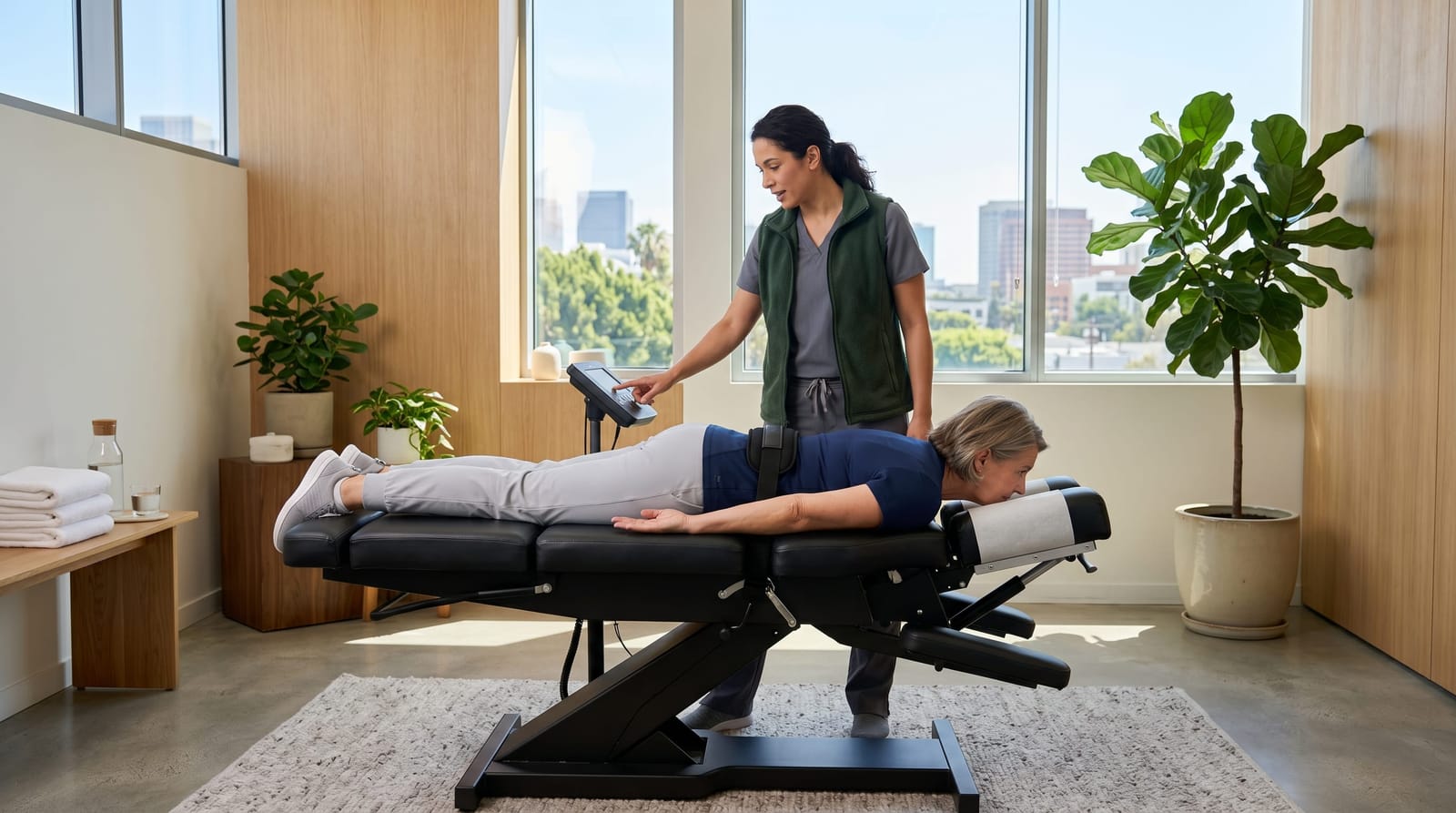
Angle positioning targets specific spinal segments requiring treatment. Cervical decompression uses different angles than lumbar therapy. The computer ensures optimal positioning for maximum therapeutic benefit.
Force modulation follows logarithmic curves that prevent muscle guarding. The gradual application and release cycles maintain therapeutic tension. This sophisticated control distinguishes modern therapy from simple traction devices.
Patient Monitoring and Safety Features
Safety remains paramount in spinal decompression therapy Los Angeles protocols. Modern systems include emergency stop mechanisms and constant monitoring. Patients maintain control throughout the treatment process.
Biofeedback sensors detect muscle tension changes during therapy. The computer automatically adjusts if protective spasms occur. This ensures patient comfort while maintaining therapeutic effectiveness.
Treatment protocols are individually programmed based on patient response. The system tracks progress and adjusts parameters accordingly. This personalized approach optimizes outcomes for each individual patient.
What to Expect During Your Spinal Decompression Treatment
Understanding the treatment process helps patients feel comfortable and confident. Spinal decompression therapy Los Angeles follows established protocols for safety and effectiveness. The experience is generally relaxing and pain-free for most patients.
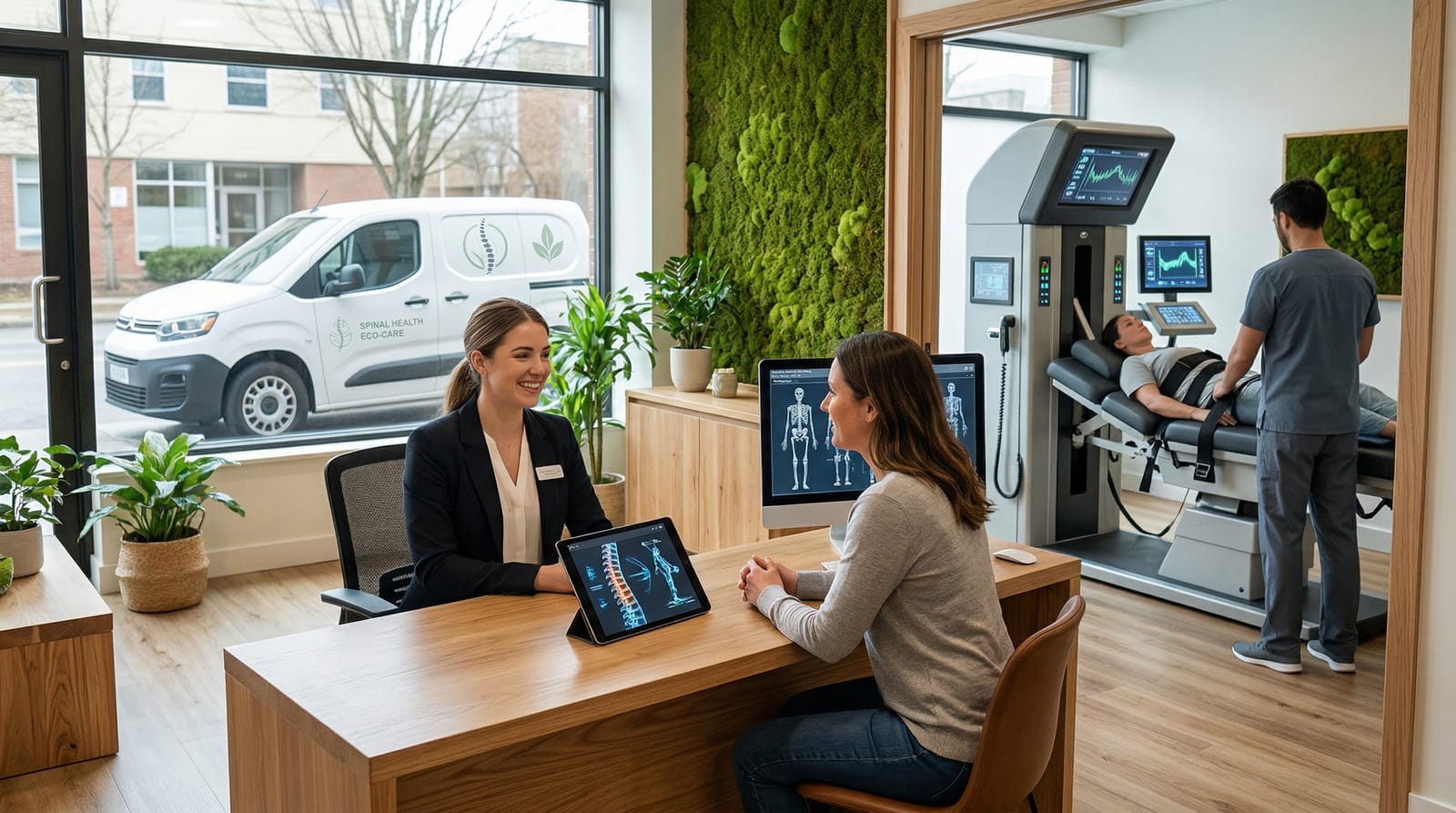
Initial evaluation includes comprehensive examination and imaging review. The doctor determines treatment candidacy and develops individualized protocols. Patient education ensures understanding of the process and expected outcomes.
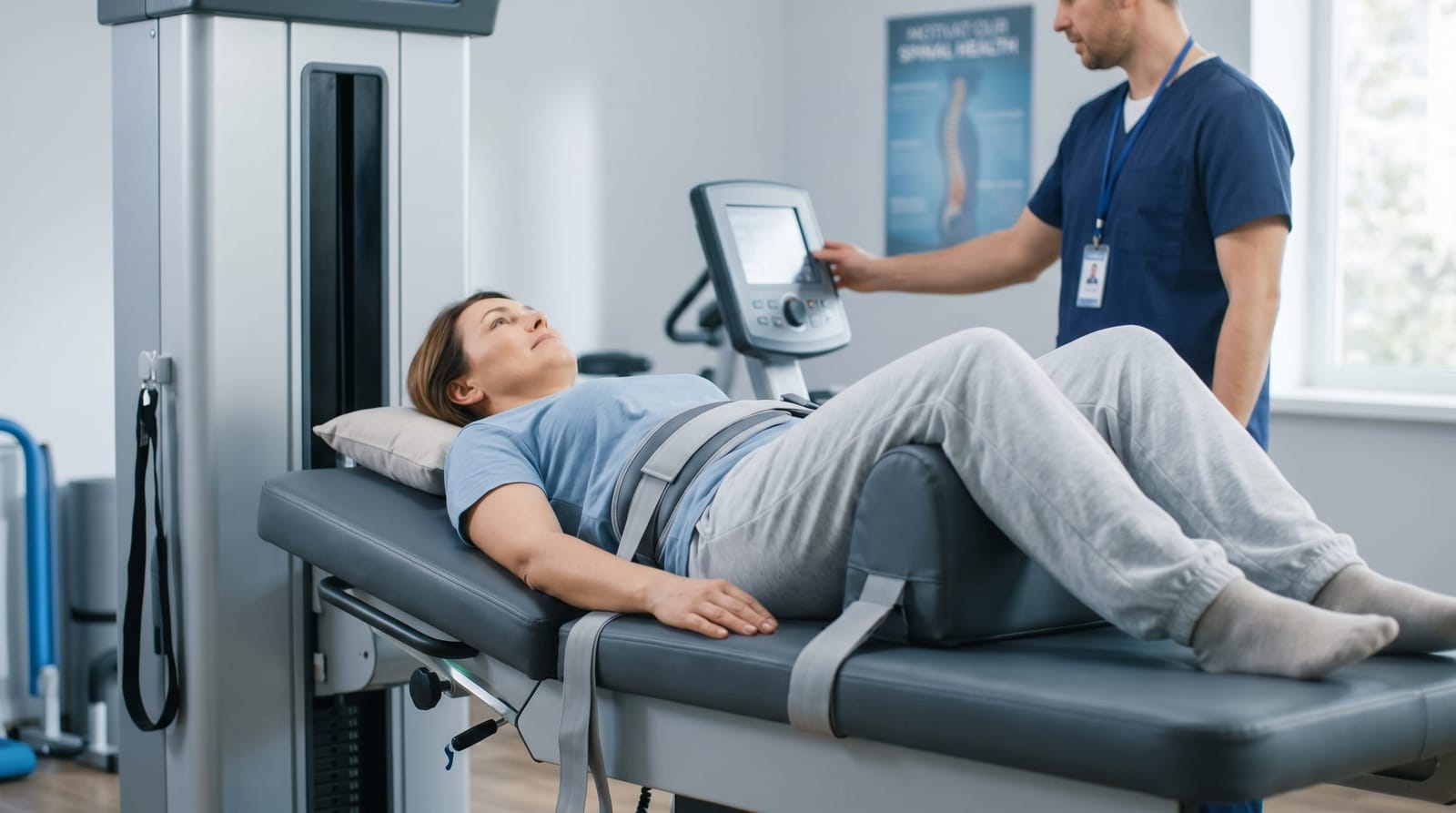
Treatment sessions typically last 30-45 minutes including setup time. Patients lie comfortably on the decompression table during therapy. Most describe the sensation as gentle stretching or floating feeling.
Pre-Treatment Preparation
Proper preparation maximizes spinal decompression therapy Los Angeles effectiveness. Patients should wear comfortable, loose-fitting clothing. Avoid eating large meals before treatment to prevent discomfort.
The clinical team positions patients carefully on the treatment table. Harness systems secure the pelvis and torso for controlled traction. Positioning ensures targeted treatment of affected spinal segments.
Patient education covers what to expect during and after treatment. Understanding normal sensations reduces anxiety and improves outcomes. Clear communication ensures patient comfort throughout the process.
During the Treatment Session
Spinal decompression therapy Los Angeles sessions begin with gentle positioning and securing. The computer gradually applies traction force over several minutes. Patients typically feel gentle pulling or stretching sensations.
Treatment cycles alternate between traction and relaxation phases. This pattern prevents muscle fatigue and maintains therapeutic effectiveness. Most patients find the experience relaxing and even fall asleep.
The clinical team monitors patients throughout each session. They ensure comfort and address any concerns immediately. Emergency stop capabilities provide additional safety assurance.
Post-Treatment Care and Activity
Immediate post-treatment care supports the therapeutic benefits achieved. Patients may experience mild soreness similar to new exercise. This typically resolves within 24-48 hours of treatment.
Activity modifications support healing during the treatment course. Avoiding heavy lifting and prolonged sitting protects decompression gains. Gentle walking and prescribed exercises enhance recovery.
Follow-up assessments track progress and adjust protocols as needed. Regular monitoring ensures optimal outcomes and patient satisfaction. Communication with the treatment team addresses any concerns promptly.
Benefits and Advantages Over Surgical Options
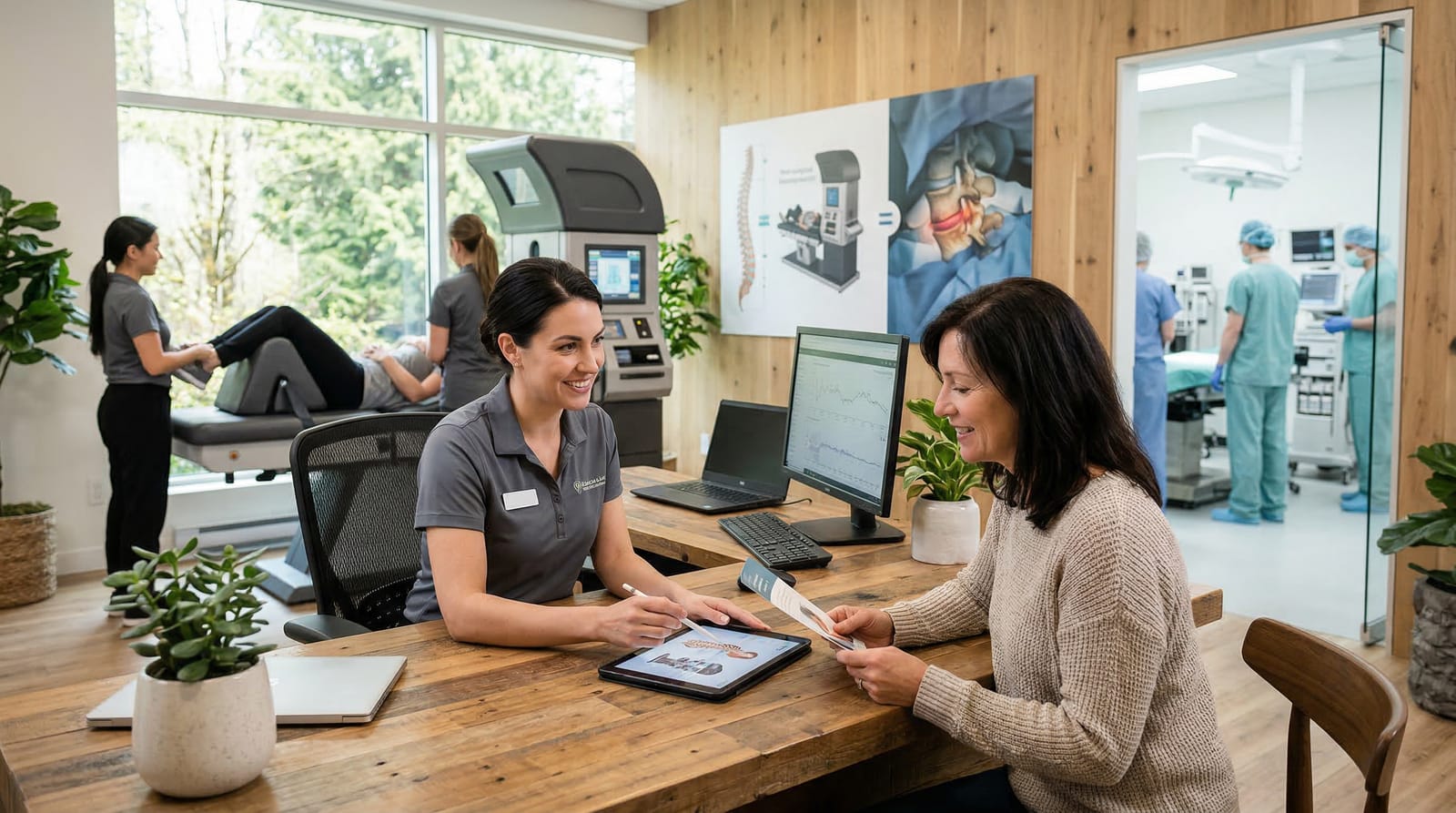
Spinal decompression therapy Los Angeles offers significant advantages over surgical interventions. The non-invasive nature eliminates surgical risks and complications. Recovery time is minimal compared to months of post-surgical rehabilitation.
Cost considerations make decompression therapy attractive to many patients. The treatment costs significantly less than spinal surgery. Many insurance plans cover the therapy as a conservative treatment option.
Success rates for spinal decompression therapy Los Angeles compare favorably to surgical outcomes. Studies show 71-89% success rates for appropriate candidates. These results occur without surgical risks or lengthy recovery periods.
No Surgical Risks or Complications
Spinal surgery carries inherent risks including infection, bleeding, and nerve damage. Spinal decompression therapy Los Angeles eliminates these concerns completely. The non-invasive treatment provides healing without surgical trauma.
Failed back surgery syndrome affects 10-40% of surgical patients. This devastating condition often requires additional procedures with uncertain outcomes. Decompression therapy avoids this risk entirely while providing effective relief.
Anesthesia risks and hospital-acquired infections present additional surgical concerns. Outpatient decompression therapy eliminates these potential complications. Patients return to normal activities immediately after treatment.
Faster Recovery and Return to Activities
Surgical recovery typically requires 6-12 weeks of restricted activity. Spinal decompression therapy Los Angeles allows normal activities throughout treatment. Most patients work and exercise during their treatment course.
The gradual improvement with decompression therapy feels more natural. Patients progressively increase activities as symptoms improve. This contrasts with the sudden restrictions and gradual return following surgery.
Quality of life improves steadily during treatment rather than declining initially. Patients maintain independence and normal routines. The treatment fits into busy lifestyles without major disruptions.
Reversible and Repeatable Treatment
Surgical procedures permanently alter spinal anatomy and cannot be reversed. Spinal decompression therapy Los Angeles provides therapeutic benefits without permanent changes. This reversibility offers peace of mind for many patients.
Future treatment courses remain available if symptoms recur. The therapy can be repeated safely without cumulative negative effects. This flexibility provides long-term management options for chronic conditions.
Combination with other conservative therapies enhances overall outcomes. Patients can pursue physical therapy, chiropractic care, and other treatments. The comprehensive approach addresses multiple aspects of spinal health.
Choosing the Right Provider in Los Angeles
Selecting an experienced spinal decompression therapy Los Angeles provider ensures optimal outcomes. The doctor's training, experience, and equipment quality significantly impact results. Proper patient selection and protocol development require clinical expertise.
Board certification and specialized training indicate provider competency. Look for doctors with extensive decompression therapy experience. Patient testimonials and outcome statistics provide valuable insights into provider quality.
Modern equipment and protocols demonstrate commitment to excellence. FDA-cleared decompression systems provide superior results to older equipment. Comprehensive evaluation and individualized treatment planning indicate quality care.
Questions to Ask Potential Providers
Inquire about the provider's experience with spinal decompression therapy Los Angeles. Ask about success rates for your specific condition. Request information about treatment protocols and expected timelines.
Discuss the evaluation process and diagnostic requirements. Quality providers perform thorough examinations before recommending treatment. They should explain why you're a good candidate for therapy.
Ask about the specific equipment and protocols used. Modern computerized systems provide better results than older traction devices. Understand the treatment frequency and duration recommendations.
Evaluating Treatment Facilities
Quality spinal decompression therapy Los Angeles facilities maintain professional standards. Clean, modern equipment indicates commitment to patient care. Proper maintenance ensures consistent therapeutic delivery.
Staff training and professionalism reflect overall facility quality. Knowledgeable technicians enhance treatment effectiveness and patient comfort. Clear communication and patient education demonstrate professional standards.
Scheduling flexibility and patient convenience improve treatment compliance. Accessible locations and reasonable hours support successful outcomes. Consider these factors when selecting your treatment provider.
Success Stories and Patient Outcomes
Real patient outcomes demonstrate the effectiveness of spinal decompression therapy Los Angeles. Success stories provide hope and realistic expectations for prospective patients. These experiences illustrate the life-changing potential of proper treatment.
Research studies consistently show positive outcomes for appropriate candidates. A study published in the American Journal of Pain Management reported 71% good to excellent results. These findings validate clinical experience across multiple providers.
Long-term follow-up studies demonstrate sustained improvements years after treatment. Patients maintain functional gains and pain relief over time. This suggests actual healing rather than temporary symptom masking.
Documented Clinical Results
Clinical research supports the effectiveness of spinal decompression therapy Los Angeles. Studies measuring intradiscal pressure changes validate the physiological mechanisms. MRI imaging shows actual disc height improvements following treatment.
Outcome measures include pain scales, functional assessments, and return to work rates. These objective measurements demonstrate meaningful improvements in patient lives. The research provides evidence-based support for treatment decisions.
Comparative studies show superior outcomes versus traditional conservative treatments. Decompression therapy achieves better results than physical therapy alone. These findings support the investment in advanced treatment options.
Patient Quality of Life Improvements
Patients frequently report dramatic improvements in daily function and comfort. Simple activities like walking, sitting, and sleeping become enjoyable again. Many return to sports and recreational activities they had abandoned.
Work productivity improves as pain and limitations decrease. Patients reduce or eliminate pain medications with their associated side effects. Mental health benefits accompany physical improvements as hope returns.
Family relationships improve when chronic pain no longer dominates daily life. Patients become more active participants in family activities and social events. The ripple effects extend far beyond simple pain relief.
Deep Dive Topics
For comprehensive understanding of spinal decompression therapy, explore these detailed topics that expand on specific aspects of treatment:
Specific Conditions and Treatment Approaches: Learn about spinal decompression for herniated disc treatment, including how the therapy specifically addresses different types of disc problems, success rates for various conditions, and specialized protocols for optimal outcomes.
Treatment Process and Timeline: Understand the complete spinal decompression treatment process, including detailed session descriptions, typical treatment schedules, what to expect during recovery, and how progress is measured throughout the treatment course.
Comparing Treatment Options: Explore the comprehensive comparison of spinal decompression vs surgery, examining success rates, recovery times, costs, risks, and long-term outcomes to help make informed treatment decisions.
Scientific Mechanisms and Technology: Discover how does spinal decompression work at the cellular level, including the physics of negative pressure, advanced computer algorithms, and the latest technological innovations in decompression therapy.
Take the Next Step Toward Pain Relief
Spinal decompression therapy Los Angeles represents a proven, safe, and effective alternative to spinal surgery. The advanced technology, combined with expert clinical care, provides hope for patients suffering from disc-related conditions. Thousands have found relief through this innovative treatment approach.
The comprehensive nature of modern decompression therapy addresses both symptoms and underlying causes. Unlike temporary solutions, this treatment promotes actual disc healing and long-term recovery. The investment in your spinal health pays dividends in improved quality of life.
Don't let chronic back pain control your life any longer. Spinal decompression therapy Los Angeles offers the opportunity to reclaim your active lifestyle without surgical risks. The treatment has helped countless patients return to the activities and comfort they thought were lost forever.
Schedule your consultation today to determine if spinal decompression therapy is right for you. A comprehensive evaluation will assess your candidacy and develop an individualized treatment plan. Your journey toward lasting pain relief and improved function can begin immediately.