Cold Laser Therapy for Auto Accident Injuries: Accelerating Soft Tissue Healing
If you've been in an auto accident, you already know that the most frustrating injuries aren't always the ones you can see. Soft tissue damage, the kind that affects your muscles, ligaments, and nerves, often lingers long after the accident itself. Cold laser therapy effectiveness has become a growing area of interest for patients navigating this kind of recovery, and for good reason. This post breaks down exactly how cold laser therapy works for auto accident injuries, what kinds of soft tissue damage it addresses, and what you can realistically expect during the healing process.
What Is Cold Laser Therapy and How Does It Work?
Cold laser therapy, also called low-level laser therapy (LLLT) or photobiomodulation, uses specific wavelengths of light to penetrate the skin and stimulate cellular healing at the tissue level. Unlike surgical lasers, cold laser therapy doesn't generate heat that cuts or burns. Instead, it delivers focused light energy that your cells can absorb and use to accelerate their own natural repair processes.
Here's the core mechanism: when light energy from the laser reaches damaged tissue, it activates mitochondria, the energy-producing structures inside your cells. This triggers increased production of adenosine triphosphate (ATP), which is essentially the fuel your cells need to repair themselves. The result is faster tissue regeneration, reduced inflammation, and improved circulation to the injured area.
For auto accident patients specifically, cold laser therapy effectiveness is particularly relevant because trauma from a collision creates a unique combination of inflammatory response and cellular disruption. The soft tissues in your neck, back, and shoulders absorb enormous force during impact. Cold laser therapy helps the body move through its natural healing phases more efficiently, without drugs, without surgery, and without downtime after each session.
The Soft Tissue Injuries Cold Laser Therapy Addresses
Auto accidents frequently produce a cluster of soft tissue injuries that respond well to cold laser therapy. Understanding which injuries are being targeted helps you appreciate why cold laser therapy effectiveness is worth discussing as part of your overall recovery plan.
Muscle Strains and Tears
The violent motion of a collision, especially rear-end impacts, forces muscles to contract and stretch simultaneously. This can cause micro-tears in the muscle fibers, leading to stiffness, soreness, and restricted movement. Cold laser therapy promotes faster muscle fiber regeneration and helps reduce the swelling that keeps those muscles tight and painful.
Ligament Sprains
Ligaments are dense connective tissues that stabilize your joints, and they have a notoriously limited blood supply, which is one reason sprains can take so long to heal on their own. Cold laser therapy improves localized circulation to ligament tissue and supports collagen synthesis, which is the structural protein your body uses to repair these connective fibers.
Nerve Irritation and Inflammation
Trauma from an auto accident can leave nerves compressed, irritated, or surrounded by inflamed tissue. This often shows up as tingling, numbness, or burning sensations that extend into the arms or legs. Cold laser therapy has been shown to reduce perineural inflammation (swelling around nerves) and support nerve tissue recovery, helping to calm those uncomfortable radiating symptoms.
Whiplash-Related Soft Tissue Damage
Whiplash is perhaps the most common auto accident injury, and it involves a combination of all of the above: muscle, ligament, and nerve tissue in the cervical spine are all affected simultaneously. Cold laser therapy effectiveness in whiplash recovery is supported by its ability to address multiple tissue types at once, which aligns well with the complex nature of this injury. If you're curious about the broader timeline for this kind of recovery, understanding auto accident injury recovery from a chiropractic perspective can give you helpful context.
What to Expect During Cold Laser Therapy Sessions
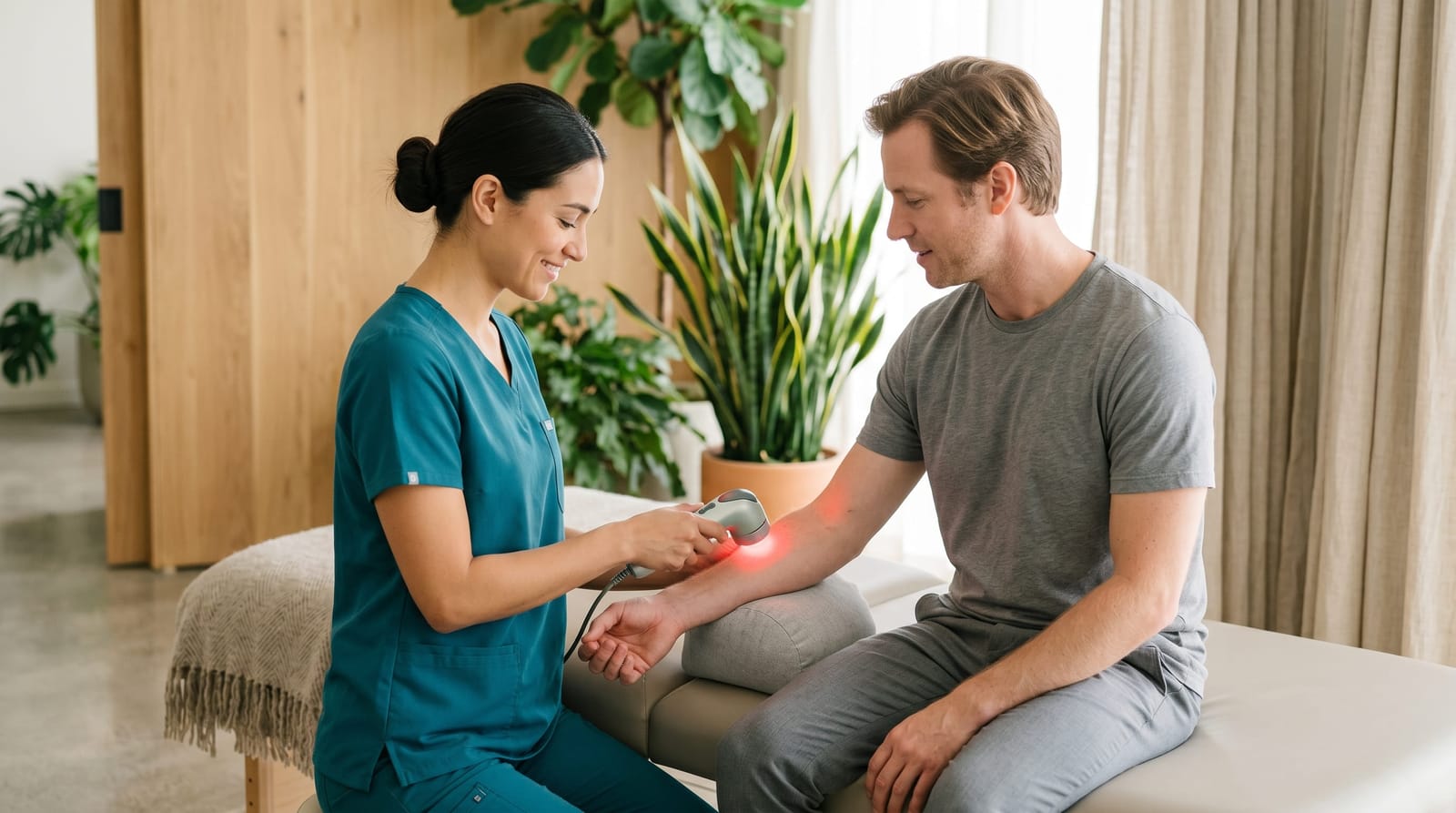
One of the most common questions patients have about cold laser therapy is simply: what does it feel like? The honest answer is, not much, and that's actually a good thing. Sessions are non-invasive and typically painless. Most patients describe a mild warming or tingling sensation, while others feel nothing at all during the treatment itself.
A typical session lasts between 5 and 20 minutes depending on the area being treated and the severity of your injuries. Your chiropractor will position the handheld laser device directly over the injured tissue, allowing the light to penetrate to the target depth. There's no recovery time required afterward: most patients return to their normal activities immediately.
Cold laser therapy effectiveness tends to build over a series of treatments rather than delivering a single dramatic result. Here's what a typical treatment course might look like:
- Sessions 1-3: Initial reduction in acute inflammation; some patients notice improved comfort and reduced muscle tension
- Sessions 4-6: Progressive improvement in range of motion and a reduction in lingering soreness
- Sessions 7+: Continued tissue repair and stabilization, particularly for ligament and nerve healing
The number of sessions recommended will depend on the specific injuries involved, how long ago the accident occurred, and how your body responds to treatment. Your chiropractor will reassess your progress and adjust the plan accordingly.
How Cold Laser Therapy Fits Into a Broader Recovery Plan
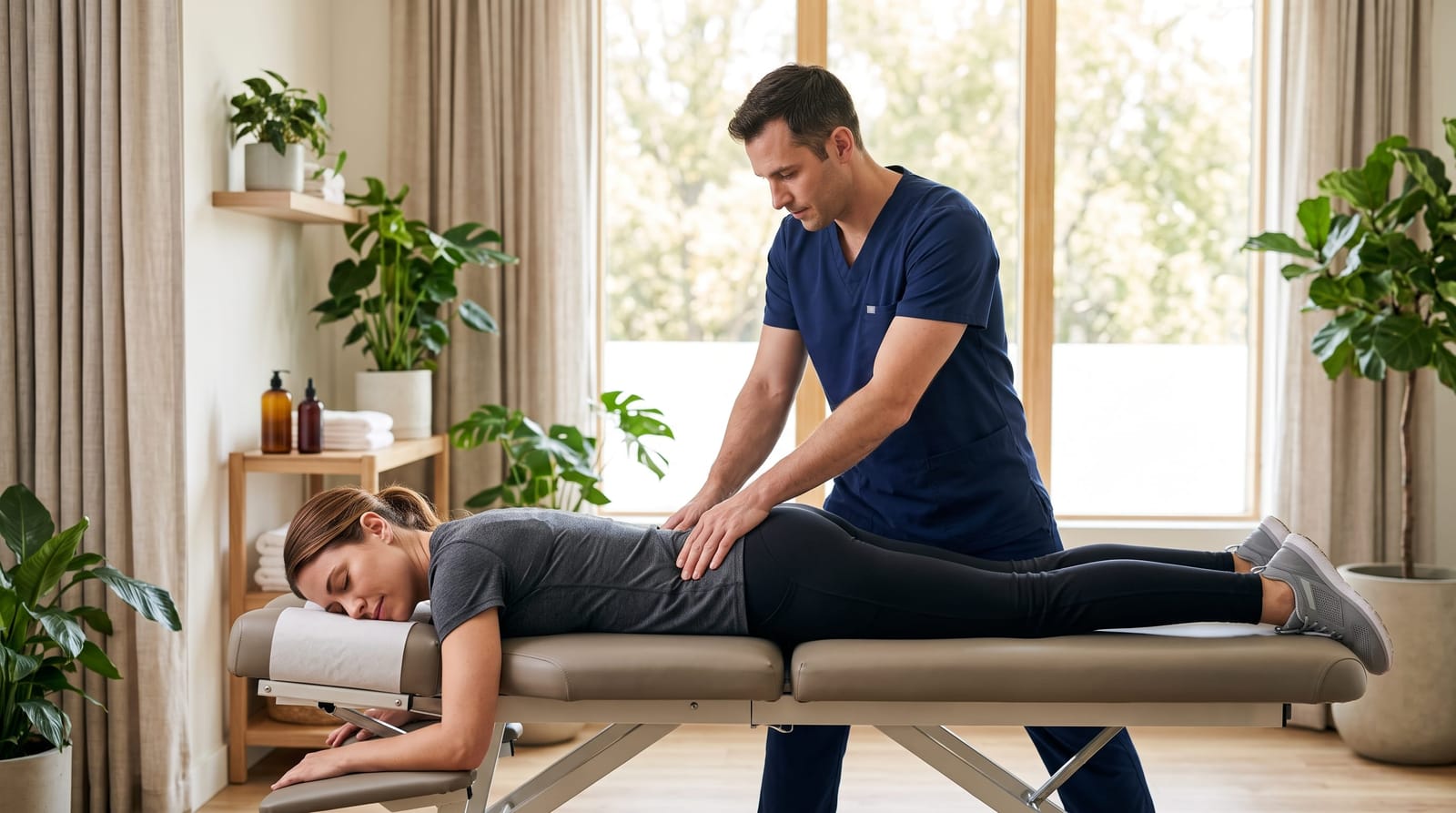
Cold laser therapy works best when it's part of a coordinated care approach rather than a standalone treatment. For auto accident patients, this typically means combining cold laser therapy with chiropractic adjustments, soft tissue mobilization, rehabilitative exercise, and, depending on the injuries, additional therapies like spinal decompression.
The reason integration matters is that different therapies address different aspects of recovery. Chiropractic adjustments restore alignment and joint mobility. Cold laser therapy accelerates cellular repair in the soft tissues surrounding those joints. Rehabilitative exercise rebuilds the strength and coordination that protect you from re-injury. Together, they create a recovery environment where healing is happening on multiple levels simultaneously.
For patients dealing with significant spinal involvement after an accident, it may be worth exploring whether you're a spinal decompression candidate in addition to cold laser therapy: the two approaches can complement each other well for the right injuries.
Cold laser therapy effectiveness is also well-documented in supporting documentation for insurance purposes. Consistent treatment records that show measurable progress in tissue healing and symptom reduction can strengthen your case when working with insurers or legal representatives following an accident.
Frequently Asked Questions
Is cold laser therapy safe for all auto accident patients?
Cold laser therapy is generally considered safe and well-tolerated for most patients. It's non-invasive, drug-free, and doesn't involve any incisions or injections. However, there are some contraindications, including use over certain areas during pregnancy or over known cancerous tissue, which is why a thorough intake evaluation is always conducted before beginning treatment. Your chiropractor will review your health history to confirm cold laser therapy is appropriate for your specific situation.
How soon after an auto accident can I start cold laser therapy?
In many cases, cold laser therapy can begin fairly early in the recovery process. Because it helps reduce acute inflammation, it can actually be beneficial in the early stages following an accident. That said, your chiropractor will assess your injuries first to determine the right timing and treatment approach for your individual case.
How many sessions will I need to see results?
Cold laser therapy effectiveness builds progressively, and most patients begin noticing meaningful improvement within the first several sessions. A full treatment course for soft tissue injuries related to auto accidents typically ranges from 8 to 15 sessions, though this varies based on injury severity and how your body responds. Your care plan will be personalized and updated as you progress.
Can cold laser therapy help with nerve pain from an auto accident?
Yes: cold laser therapy has shown positive outcomes for nerve-related symptoms, including tingling, numbness, and radiating discomfort that can follow auto accident trauma. By reducing the inflammation surrounding irritated nerves and supporting nerve tissue recovery, it can help ease these symptoms over the course of treatment. It's often combined with other chiropractic techniques for the most effective results.
Supporting Your Recovery at the Cellular Level
Auto accident recovery involves more than managing pain: it requires actual tissue repair at the cellular level, and that takes time, consistency, and the right support. Cold laser therapy effectiveness lies in its ability to work with your body's natural healing processes, accelerating what would otherwise be a slow and uncomfortable road back to feeling like yourself. When combined with chiropractic care and a personalized rehabilitation plan, it becomes a meaningful part of how patients move from injury to genuine recovery. If you're ready to explore whether cold laser therapy belongs in your recovery plan, we'd be glad to help you take that next step.