Can a Herniated Disc Heal Without Surgery? The Evidence-Based Answer
If you've recently been told you have a herniated disc, surgery is probably the last thing you want to think about, and the good news is, for most people, it doesn't need to be part of the conversation at all. One of the most common questions patients have when navigating disc problems is whether the body can actually recover on its own. As part of our broader exploration of herniated disc vs bulging disc conditions, this post digs into what the research actually shows about non-surgical recovery, what helps the healing process move forward, and what factors tend to determine whether surgical intervention becomes necessary. The answer, for the vast majority of people, is genuinely encouraging.
What the Research Says About Natural Disc Healing
The idea that a herniated disc requires surgery to get better is a common assumption, but it's one that clinical evidence consistently challenges. Multiple studies have shown that a significant portion of herniated disc cases improve meaningfully over time without any surgical intervention. In fact, research suggests that somewhere between 80% and 90% of people with herniated disc symptoms experience substantial improvement through conservative, non-surgical approaches within weeks to months of onset.
One of the most fascinating aspects of disc healing involves the body's own immune response. When disc material protrudes beyond its normal boundary, the immune system can actually recognize that displaced tissue and work to reabsorb it over time. This process: sometimes called spontaneous regression: has been documented in imaging studies that show herniated disc material visibly reducing in size without any surgical removal. The larger the herniation, interestingly, the more likely the body appears to mount this kind of reabsorption response, which is counterintuitive but well-supported in the literature.
This doesn't mean recovery is automatic or guaranteed for everyone, but it does mean that time, the right support, and appropriate conservative care create real conditions for meaningful healing. Understanding this gives patients a more accurate picture of what their recovery journey may look like.
Why Most People Don't Need Surgery
Surgery for a herniated disc is generally considered appropriate only when conservative treatments have not provided adequate relief after a sustained period, or when specific neurological concerns, such as significant muscle weakness or loss of bladder and bowel control, require more urgent attention. These are the exception, not the rule.
For the majority of patients, the symptoms that feel most alarming in the early weeks, radiating pain, numbness, tingling, often begin to settle as inflammation decreases and the disc material shifts or is reabsorbed. This is why most clinical guidelines recommend a trial of conservative care before surgery is ever considered.
Factors That Support Non-Surgical Recovery
Certain factors tend to make non-surgical recovery more likely and more effective:
- Early engagement with appropriate care: Starting physical therapy, movement-based rehabilitation, or chiropractic care soon after symptom onset can help manage discomfort and maintain mobility during the healing window.
- Staying active within tolerable limits: Bed rest was once a common recommendation, but current evidence generally supports gentle, appropriate movement over prolonged inactivity.
- Managing inflammation: Reducing activities and positions that irritate the disc allows the body's natural repair processes to work more effectively.
- Healthy lifestyle habits: Adequate hydration, quality sleep, a balanced diet, and avoiding smoking all support disc tissue health and overall recovery.
- Positive psychological outlook: Research in pain science consistently shows that how a patient thinks and feels about their recovery influences outcomes: patients who feel informed and hopeful tend to do better.
The Role of Physical Therapy and Rehabilitative Exercise
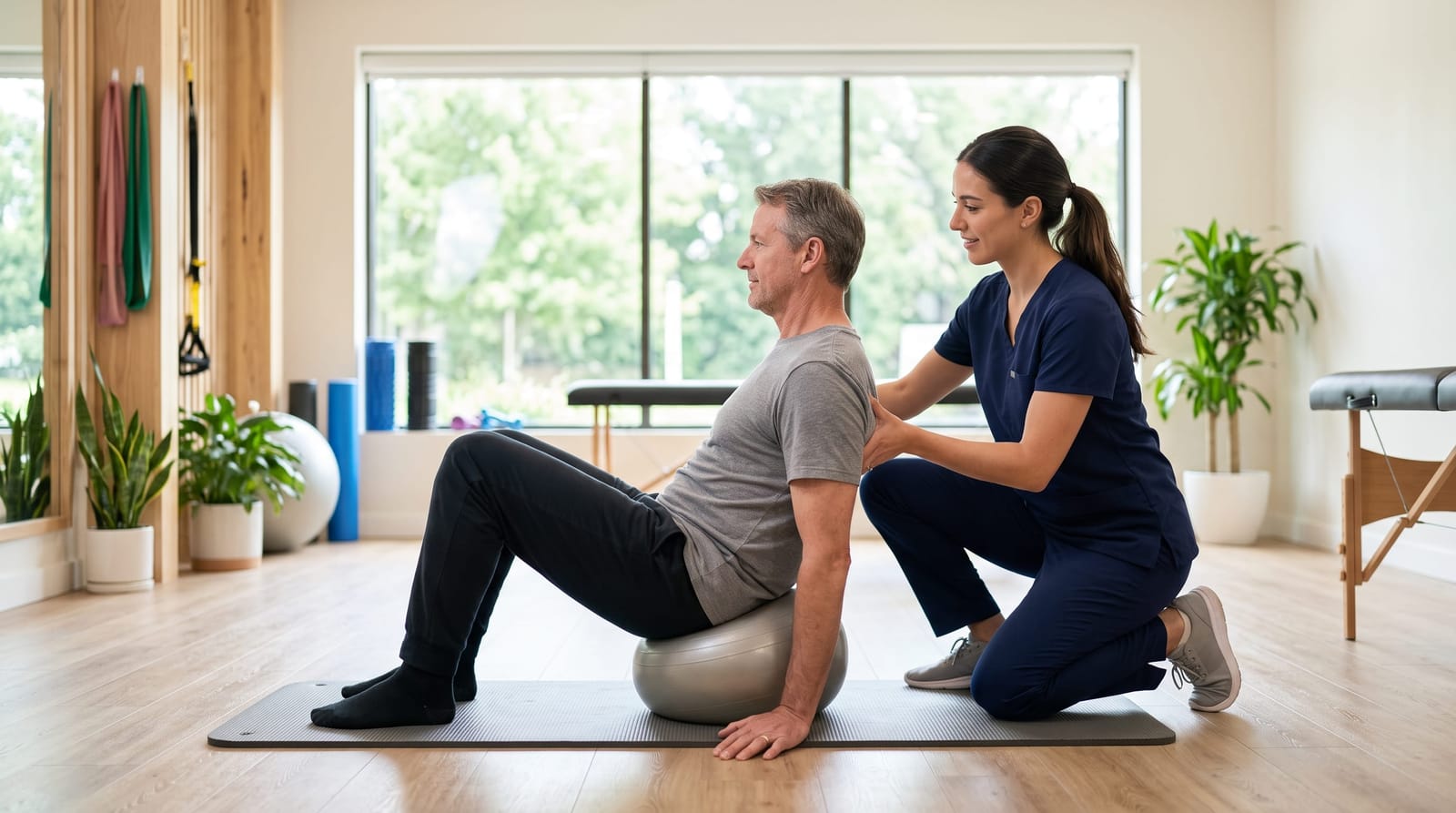
Among non-surgical approaches, physical therapy and targeted exercise are widely regarded as cornerstones of herniated disc recovery. The goal isn't just symptom relief: it's restoring function, building supporting strength, and reducing the likelihood of future episodes.
A well-designed rehabilitation program typically addresses several interconnected goals. Core strengthening helps stabilize the spine and reduce the mechanical load on affected discs. Flexibility work, particularly for the hips and hamstrings, can ease the tension that contributes to disc stress. Postural education helps patients understand how everyday habits like sitting, lifting, and sleeping affect their spine, empowering them to make adjustments that protect long-term recovery.
Exercise Approaches Commonly Used in Disc Recovery
While any specific exercise plan should be guided by a qualified provider, some general approaches that appear frequently in disc rehabilitation include:
- McKenzie method exercises: A specific system of movements designed to centralize disc-related pain and improve extension capacity in the spine.
- Gentle walking: Low-impact aerobic activity that supports circulation, reduces stiffness, and maintains mobility without placing significant stress on the disc.
- Core stability training: Movements that engage deep stabilizing muscles of the trunk, reducing reliance on the spine itself for support.
- Aquatic therapy: Exercise in water reduces body weight load on the spine, making movement more accessible during acute or sensitive phases of recovery.
The right combination depends on the individual, which is why working with a care provider who can assess your specific situation is so valuable.
How Spinal Decompression Fits Into Non-Surgical Recovery
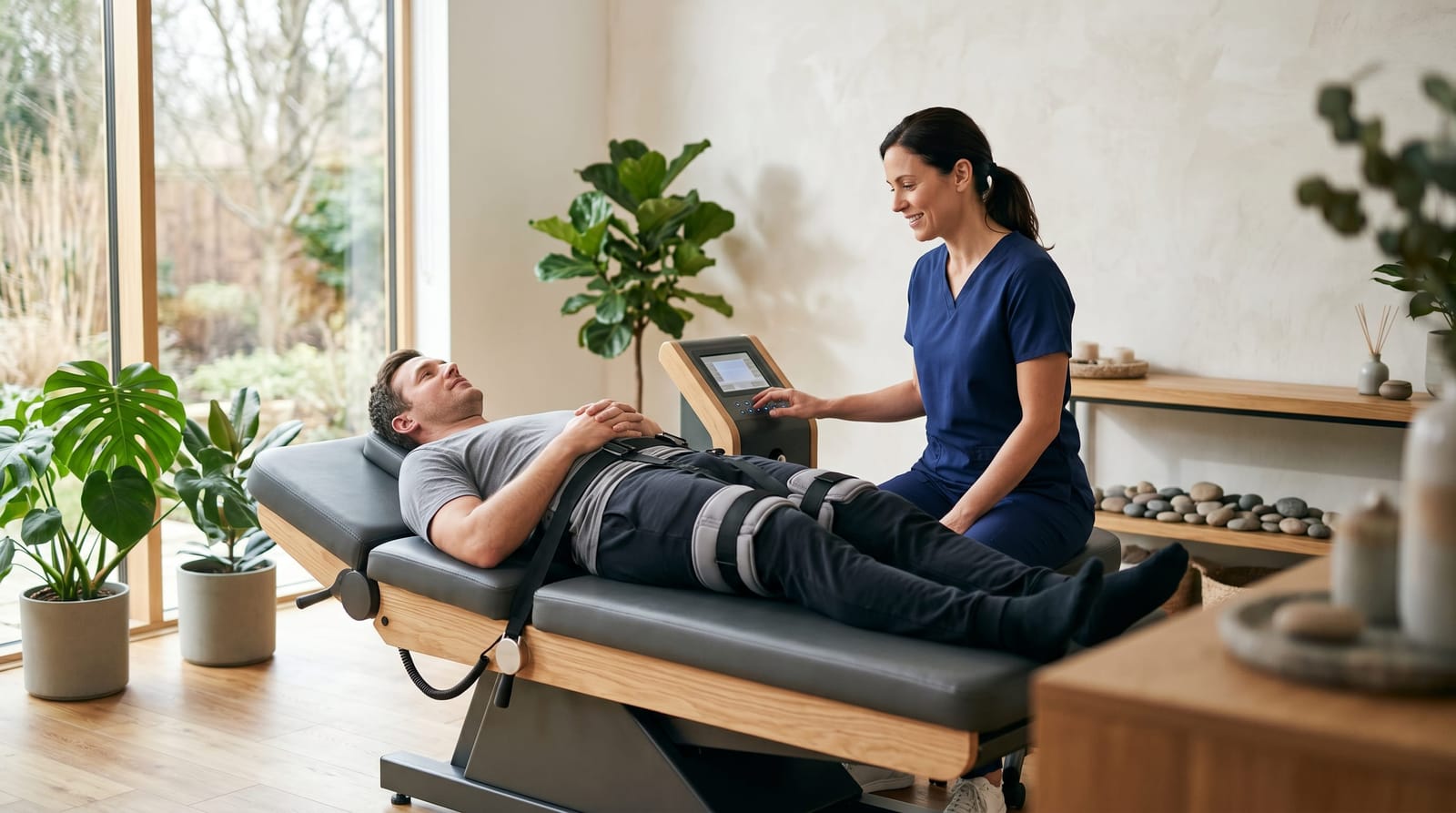
One non-surgical option that's grown in clinical use is spinal decompression therapy: a treatment that uses a specialized table to gently apply traction to the spine, creating negative pressure within the disc. This negative pressure is thought to encourage the retraction of disc material and promote the flow of nutrients and fluids into the disc, supporting the tissue repair process.
For patients dealing with herniated or bulging disc symptoms, spinal decompression may be explored as part of a broader, conservative care plan. If you're wondering about what this kind of care involves, our overview of spinal decompression bulging disc treatment explains the process in detail, including what a typical session looks like and what patients generally experience.
A common follow-up question is how many sessions are typically involved. Recovery varies from person to person, but our post on how many spinal decompression sessions are needed for a herniated disc walks through the factors that influence treatment duration and what to generally expect. Similarly, understanding the timeline for when relief may begin is a natural concern: you can explore that in more depth through our discussion of how long does spinal decompression take to work.
It's also worth noting that spinal decompression isn't a one-size-fits-all solution, and not every patient is an appropriate candidate. If you're curious whether it might be relevant to your situation, our guide on becoming a spinal decompression candidate covers the key considerations in an accessible, easy-to-understand way.
What Factors Can Make Recovery More Challenging
While the overall picture for non-surgical recovery is positive, it's honest and important to acknowledge that recovery isn't always straightforward. Certain factors can make the process longer or more complicated, and understanding them helps set realistic expectations.
Disc Location and Symptom Pattern
Herniations that compress nerve roots significantly, causing radiating pain into an arm or leg, numbness, or weakness, may take longer to fully resolve because nerve tissue heals more slowly than other structures. The lumbar (lower back) spine is the most common site of disc herniation, followed by the cervical (neck) region. Each location presents its own pattern of symptoms and recovery considerations.
Duration of Symptoms Before Seeking Care
Patients who seek appropriate support early after symptoms develop generally tend to do better than those who wait for extended periods. Prolonged discomfort can sometimes lead to muscle guarding, deconditioning, and movement avoidance, all of which can complicate recovery. This is one reason why early, active management is so commonly encouraged.
Lifestyle and Overall Health
Factors like smoking (which reduces disc nutrition by impairing circulation), excess body weight (which increases spinal load), sedentary habits, and poor sleep can all influence how efficiently the body heals. Addressing these factors isn't about blame: it's about identifying every available lever that supports recovery.
When Surgery Does Become the Right Conversation
For the sake of a balanced and honest discussion, surgery does remain a meaningful option in specific circumstances. These typically include situations where:
- Conservative treatment over an appropriate period has not produced meaningful improvement in function or discomfort
- Progressive neurological changes, such as increasing weakness in a limb, are occurring
- A condition called cauda equina syndrome, involving loss of bladder or bowel control, is present, which requires urgent medical evaluation
For patients in these situations, surgery can be genuinely life-improving. But these scenarios represent a minority of herniated disc cases. The important takeaway is that surgery is a conversation to have with a physician if and when conservative approaches have been meaningfully explored, not typically the first or automatic step.
Related Topics Worth Exploring
Understanding your recovery journey involves more than just the big-picture question of surgery versus non-surgery. For patients whose symptoms include radiating nerve-related discomfort, our detailed look at spinal decompression pinched nerve relief explores how decompression therapy may factor into that specific symptom pattern. These supporting resources are designed to help you build a well-rounded understanding of your options and what to realistically expect from each.
Moving Forward With Confidence
The evidence on herniated disc recovery without surgery is genuinely reassuring. For the large majority of people, a combination of time, appropriate movement, professional guidance, and healthy lifestyle habits creates real conditions for meaningful improvement. The body has a remarkable capacity to address disc problems, and non-surgical care exists specifically to support and accelerate that process.
If you're navigating disc-related discomfort and want to explore what a conservative, personalized care approach might look like for your situation, the team at Prodigy Chiro Care is here to help. We focus on patient education, individualized support, and compassionate care designed to help you move better and feel better, without rushing toward interventions you may not need. Reach out to schedule a conversation about where you are and where you'd like to be.