Advanced Spinal Decompression Equipment vs Standard Tables: Why Technology Matters
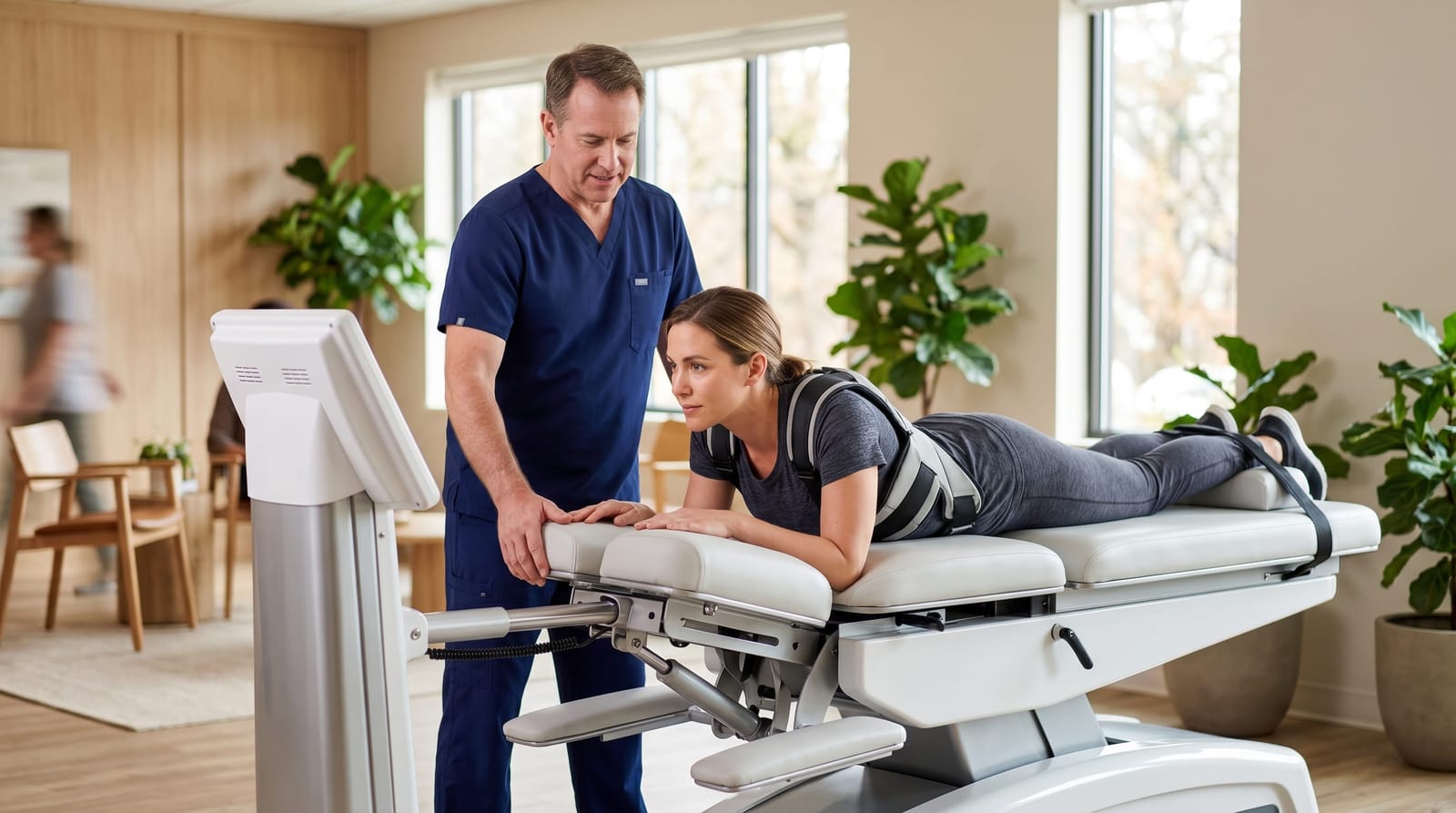
If you've been exploring options for back or neck discomfort, you may have come across the term "spinal decompression therapy", and noticed that not all providers seem to offer the same experience. That's because not all spinal decompression setups are alike. When it comes to advanced spinal decompression equipment, the technology behind the table plays a meaningful role in how sessions are delivered and how consistently a treatment plan can be carried out. This post breaks down what separates computerized, advanced decompression systems from standard traction tables, and why that distinction matters when choosing a provider.
What Is Spinal Decompression Therapy, and Why Does Equipment Matter?
Spinal decompression therapy is a non-surgical approach designed to gently relieve pressure on spinal discs and surrounding structures. The core concept involves carefully applying a stretching or unloading force to the spine, which may help create a more favorable environment for disc recovery and pain reduction.
The word "decompression" sometimes gets used loosely, and that's where equipment quality becomes important. A basic traction device pulls the spine in a linear direction with a fixed amount of force. Advanced spinal decompression equipment, by contrast, uses computerized control systems that modulate the force throughout each session: adjusting in real time to prevent the body's natural muscle guarding response, which can actually reduce treatment effectiveness.
Studies supporting modern decompression systems have included patient populations where participants reported meaningful reductions in reported discomfort levels, with some published research citing improvement rates in the range of 70% to 90% of participants after completing a full course of sessions. While individual results always vary, the precision made possible by advanced equipment is widely credited as a contributing factor to those kinds of outcomes.
At Prodigy Chiro Care, we use advanced computerized spinal decompression tables specifically because we believe precision matters when it comes to patient care and consistent session delivery.
Advanced Spinal Decompression Equipment: What the Technology Actually Does
Modern computerized decompression systems, including well-known platforms such as the DRX9000 and HillDT series, were designed with a specific engineering goal: to deliver controlled, oscillating distraction forces that the spine responds to differently than a simple static pull.
Here's what distinguishes advanced spinal decompression equipment from older or simpler alternatives:
- Computer-controlled tension cycles: The system alternates between tension and relaxation phases throughout the session, typically over a 30-minute period, rather than holding a constant pull. This cycling approach is designed to reduce muscle resistance and encourage disc hydration.
- Pelvic harness stabilization: Patients are secured using a properly fitted pelvic harness, allowing force to be directed specifically to the lumbar spine without relying on the patient to maintain position manually.
- Angle and force customization: Practitioners can input patient-specific variables, including body weight, target spinal levels, and session number in a treatment program, allowing the system to generate an appropriate treatment protocol rather than applying one-size-fits-all settings.
- Session-by-session data tracking: Computerized systems log treatment parameters for each visit, giving providers a documented record of every session and the ability to adjust future visits based on patient response.
This level of control simply isn't available on manual traction tables or older mechanical decompression setups. For patients who want a provider using precise, technology-supported care, advanced spinal decompression equipment represents a fundamentally different approach to spinal care delivery.
FDA Clearance and What It Means for Patients Considering Decompression Therapy
One of the most meaningful standards associated with advanced spinal decompression equipment is FDA clearance. The U.S. Food and Drug Administration reviews and clears medical devices, including spinal decompression tables, based on demonstrated safety and a reasonable basis for intended use.
FDA-cleared spinal decompression systems, such as those used at Prodigy Chiro Care, have gone through a formal regulatory review process. This isn't the same as a product being "approved" for treating a specific disease, but it does mean the device has met recognized standards for use in clinical settings. That distinction matters for patients who want to know that the equipment their provider is using has been subject to independent safety review, not simply marketed without regulatory oversight.
When evaluating a chiropractic or wellness provider for spinal decompression, asking about the specific equipment in use and whether it holds FDA clearance is a reasonable and worthwhile question. Providers who invest in advanced spinal decompression equipment that meets these standards are making a deliberate choice to prioritize both patient safety and clinical credibility.
It's also worth noting that FDA-cleared advanced decompression systems are distinct from "inversion tables" or basic home traction devices, which do not carry the same regulatory status and are not equivalent to clinical-grade decompression therapy.
How Equipment Quality Connects to Consistent, Personalized Care
One of the most practical benefits of advanced spinal decompression equipment is the ability to deliver a personalized, trackable treatment experience. A typical decompression program may span anywhere from 12 to 20 sessions over four to six weeks, depending on a patient's situation. Over that course of care, being able to fine-tune session parameters, and compare outcomes across visits, is something a basic traction table simply cannot support.
Consider what personalization looks like in practice with advanced equipment:
- Initial assessment parameters: Before the first session, practitioners gather baseline information, including body weight and specific vertebral levels of concern, to program appropriate starting settings.
- Progressive adjustments: As a patient progresses through their program, session intensity and duration can be adjusted based on feedback and comfort levels, keeping care aligned with how the individual is responding.
- Documented treatment history: Every session's settings are recorded, providing a transparent account of care that both patient and provider can reference.
This level of consistency is part of why Prodigy Chiro Care considers advanced spinal decompression equipment central to delivering quality care, not just a nice-to-have feature. Patients deserve to know that the equipment being used on their spine is doing precisely what it's intended to do, session after session.
What to Ask When Comparing Spinal Decompression Providers
If you're in the process of researching spinal decompression therapy, the equipment a provider uses is one of several important factors to consider. Here are a few practical questions worth asking:
- What specific decompression system does the practice use, and is it FDA-cleared?
- Does the table use computerized, oscillating tension, or is it a static traction setup?
- How are session parameters personalized to individual patients?
- How many sessions are typically included in a treatment program?
- Does the provider track and document each session's settings?
These questions aren't designed to create anxiety about the process: they're simply good ways to understand what you'd be experiencing and whether a provider is using equipment capable of delivering the level of care they're describing.
Frequently Asked Questions
What makes the DRX9000 or similar advanced spinal decompression equipment different from a regular traction table?
Advanced systems like the DRX9000 use computerized control to deliver oscillating tension-and-relaxation cycles throughout each session, typically lasting around 30 minutes. This is designed to reduce the body's natural muscle guarding response: something a standard static traction table cannot address. Advanced equipment also allows for session-specific customization and tracks treatment data across a patient's full program.
Is advanced spinal decompression equipment FDA-cleared?
Many leading computerized spinal decompression systems have received FDA clearance as medical devices, meaning they've been reviewed for safety and intended clinical use. This is different from basic home traction or inversion devices. Always ask your provider whether the specific system they use is FDA-cleared before beginning a decompression program.
How long does a spinal decompression session typically last on an advanced table?
A standard session on an advanced spinal decompression table is approximately 30 minutes. During this time, the patient is secured with a pelvic harness and the computerized system cycles through tension and relaxation phases. The number of sessions in a full program typically ranges from 12 to 20, depending on the individual's situation and their provider's recommendations.
Why does equipment quality matter for spinal decompression outcomes?
Equipment quality affects how precisely and consistently a session can be delivered. Advanced spinal decompression equipment uses computer-controlled systems that allow practitioners to customize treatment parameters, monitor patient response, and make session-by-session adjustments. This level of precision isn't available with manual or basic mechanical traction devices, which is why the technology behind the table is a meaningful factor when choosing a provider.
The Bottom Line on Advanced Spinal Decompression Equipment
When it comes to spinal decompression therapy, the technology behind the treatment table isn't just a background detail: it's a meaningful part of how care is planned, delivered, and tracked. Advanced spinal decompression equipment uses computerized precision to personalize each session, work with the body's natural responses, and meet recognized standards like FDA clearance. At Prodigy Chiro Care, investing in this level of technology reflects a commitment to providing care that is thoughtful, consistent, and patient-centered. If you're exploring whether spinal decompression might be a supportive option for your wellness goals, understanding what good equipment looks like is a strong first step.