Sciatica Symptoms: The Complete Guide to Understanding, Identifying & Managing Sciatic Nerve Pain
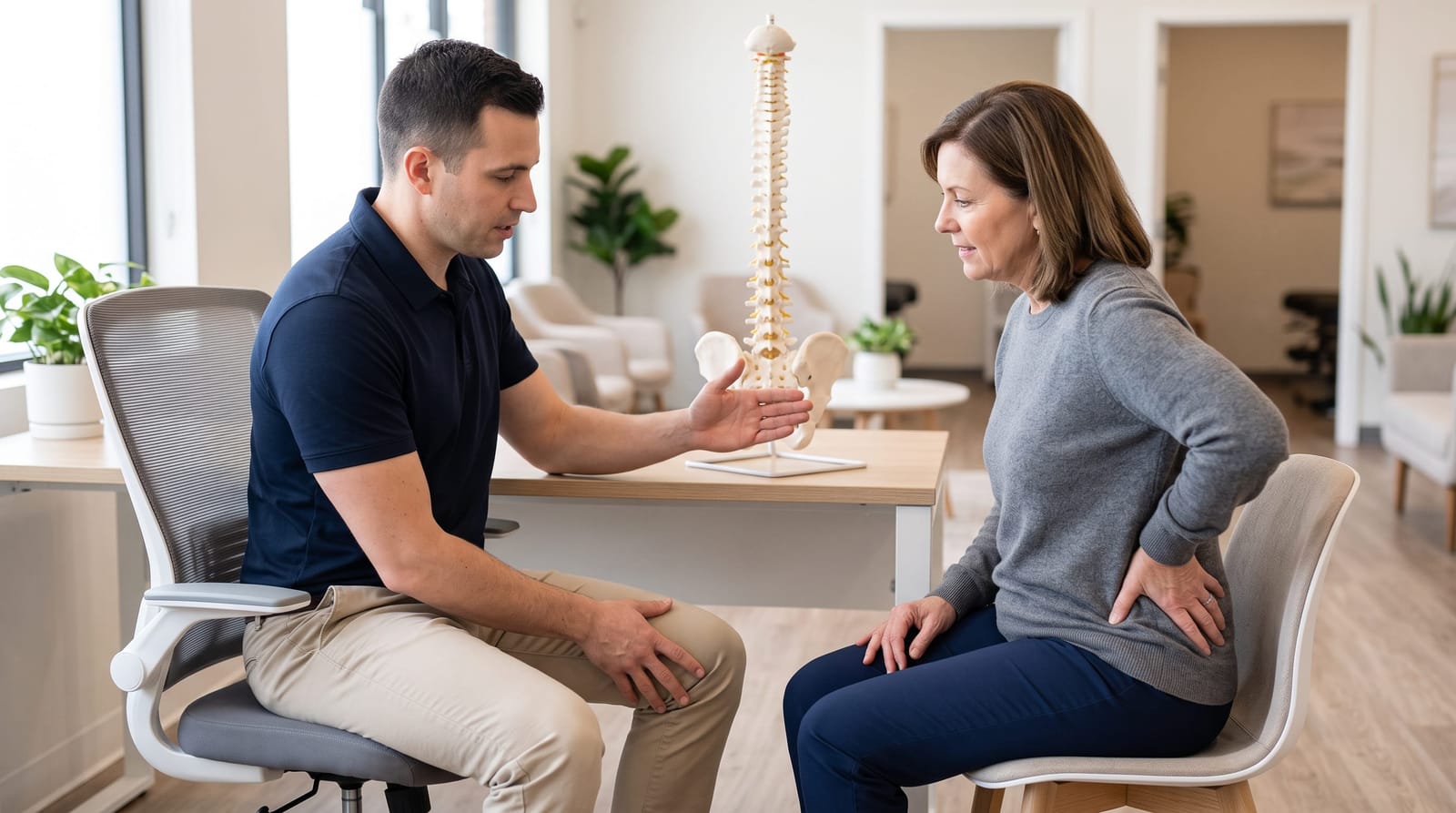
You're sitting at your desk, and suddenly a sharp, electric sensation shoots from your lower back down through your leg. Or maybe you've noticed a persistent ache in your buttock that won't go away, and sometimes your foot feels oddly numb. If any of this sounds familiar, you may be experiencing sciatica symptoms, one of the most common yet frequently misunderstood sources of lower body discomfort.
Sciatica affects an estimated 10-40% of people at some point in their lifetime, according to research published in peer-reviewed medical literature. Despite how common it is, many people spend weeks, or even months, unsure of what they're feeling, whether it's serious, or what they can do about it. That uncertainty can make the experience far more stressful than it needs to be.
This guide was created to change that. Whether you're noticing symptoms for the first time or trying to better understand a pattern of discomfort you've been living with, this comprehensive resource walks you through everything you need to know: what sciatica actually is, how its symptoms feel and behave, what distinguishes it from other types of back and leg pain, when to seek professional support, and how self-care practices can support your comfort and mobility. You'll also find links to deeper resources covering specific questions that patients commonly ask. Let's start with the fundamentals.
What Is Sciatica? Understanding the Sciatic Nerve and Why It Matters
Sciatica is not a condition in itself: it's a term used to describe a set of symptoms that arise when the sciatic nerve becomes irritated, compressed, or inflamed. The sciatic nerve is the longest and widest nerve in the human body, running from the lower spine through the buttocks and down each leg to the foot. Because of its length and the territory it covers, when something irritates this nerve, the effects can be felt across a wide area of the body.
Understanding the anatomy helps explain why sciatica symptoms can feel so varied. The sciatic nerve is formed by nerve roots that exit the lumbar (lower) spine, typically between vertebral levels L3 and S3. If any of those nerve roots experience pressure, from a herniated disc, a narrowed spinal canal, or even a tight muscle like the piriformis: the resulting irritation can travel along the entire nerve pathway.
This is why sciatica symptoms are rarely confined to just one spot. A person might feel discomfort in the lower back, the buttock, the back of the thigh, the calf, and even the foot: sometimes all at once, sometimes in different combinations depending on which nerve root is involved and how significantly it's being affected.
Most cases of sciatica involve one side of the body at a time, though bilateral sciatica (affecting both legs) does occur in some situations. The one-sided nature of most sciatica is one of its distinguishing features compared to generalized lower back pain.
Recognizing Sciatica Symptoms: What Does Sciatic Nerve Pain Actually Feel Like?
One of the most common questions people have is whether what they're experiencing is actually sciatica. The truth is that sciatica symptoms exist on a spectrum, they can range from mildly bothersome to significantly disruptive, and they vary considerably from person to person. However, there are recognizable patterns that distinguish sciatic nerve pain from other types of discomfort.
Common Sensations Associated with Sciatica
People describing their sciatica symptoms often use some of the following words:
- Sharp or shooting pain that travels from the lower back or buttock down one leg
- Burning or electric sensations along the nerve's path
- Numbness or a "dead" feeling in parts of the leg or foot
- Tingling or pins-and-needles, similar to a limb "falling asleep"
- Muscle weakness in the affected leg, making walking or standing difficult
- A dull, constant ache in the lower back, buttock, or back of the leg
- Worsening pain with sitting, especially for prolonged periods
- Relief when walking or lying down in certain positions
According to the NHS, sciatica symptoms can include lower back pain, leg pain (which often feels worse than the back pain), changes in sensation in the leg or foot, muscle spasms in the back, and a weakness of the muscles in the leg or foot. It's notable that many people report the leg pain as more intense than any back discomfort: this surprises some patients who expect "back pain" to feel primarily in the back.
How Symptoms Typically Behave
Sciatica symptoms are often position-dependent and activity-influenced. Common patterns include:
- Pain that worsens after long periods of sitting or standing
- Sudden sharp pain when sneezing, coughing, or straining
- Relief when walking gently or changing positions
- Symptoms that fluctuate: better some days, worse on others
- Pain that may feel more intense in the morning or after inactivity
Recognizing these patterns can help you communicate more effectively with a healthcare provider and track whether your symptoms are changing over time.
Sciatica vs. Other Types of Back and Leg Pain: Key Differences
Not all lower back pain is sciatica, and not all leg pain is related to the sciatic nerve. Knowing the differences matters because the approach to finding relief may vary depending on what's actually happening. Here are some of the most important distinctions:
Sciatica vs. General Lower Back Pain
General lower back pain typically stays localized: it may ache, throb, or feel tight in the lumbar region, but it doesn't travel down the leg with the characteristic shooting or electric quality of sciatica. With true sciatica, the radiating component (pain, numbness, or tingling extending below the knee) is usually a defining feature.
Sciatica vs. Piriformis Syndrome
Piriformis syndrome can mimic sciatica closely because the piriformis muscle sits near the sciatic nerve in the buttock. When the piriformis is tight or spasmed, it can compress the sciatic nerve and cause very similar sensations. However, piriformis syndrome typically produces more localized buttock pain and is often aggravated by hip movements rather than spinal movements. Distinguishing between the two usually requires a professional evaluation.
Sciatica vs. Referred Pain from Joints or Muscles
Referred pain from the hip joint, sacroiliac joint, or surrounding muscles can sometimes be felt down the leg, but it typically lacks the sharp, electric, or dermatomal (following a nerve map) quality of true sciatica. Referred pain tends to be more diffuse and harder to trace along a clear path.
These distinctions are one reason why an accurate professional assessment is so valuable: many people have been managing the wrong type of pain for months simply because the source was never properly identified.
What Causes Sciatica Symptoms? Common Underlying Factors
Sciatica symptoms don't appear randomly. They're almost always the result of something compressing or irritating one or more nerve roots along the sciatic nerve's path. Understanding the underlying causes helps explain why treatment approaches focus on addressing the root issue rather than just managing the sensation.
Most Common Causes
- Herniated or bulging disc: The most frequently identified cause. When a spinal disc bulges or herniates, it can press on nearby nerve roots. Studies suggest that disc herniation accounts for approximately 90% of sciatica cases.
- Lumbar spinal stenosis: A narrowing of the spinal canal that puts pressure on the nerves passing through it. More common in adults over 50.
- Degenerative disc disease: Age-related changes to spinal discs that can affect nerve space and contribute to irritation.
- Spondylolisthesis: A condition where one vertebra slips forward over the one below it, potentially narrowing the space where nerve roots exit.
- Piriformis syndrome: Compression of the sciatic nerve by the piriformis muscle in the buttock.
- Pregnancy: The changing posture and increased weight during pregnancy can place pressure on the sciatic nerve, causing temporary symptoms.
- Prolonged sitting on hard surfaces: Occupation-related or lifestyle-related nerve compression.
Risk Factors That May Increase Likelihood
- Age (spinal changes are more common from the 40s onward)
- Sedentary lifestyle or prolonged sitting
- Jobs involving heavy lifting, twisting, or driving for extended periods
- Obesity, which adds load to the spine
- Smoking, which may impair disc nutrition
- Diabetes, which can affect nerve health
It's worth noting that in many cases, sciatica symptoms develop gradually without a single dramatic injury. A disc that has been under stress for years may finally reach a point where it begins to affect a neighboring nerve root: making it feel like the problem "came out of nowhere" even though it's been building quietly.
When Sciatica Symptoms Require Prompt Professional Attention
While many episodes of sciatica improve with time and appropriate self-care, some symptoms serve as important signals that professional evaluation should happen sooner rather than later. Being aware of these warning signs is an important part of managing your health responsibly.
Symptoms That Warrant Prompt Evaluation
- Progressive muscle weakness in the leg or foot that is worsening over time
- Loss of bladder or bowel control: this requires immediate medical attention as it may indicate cauda equina syndrome, a serious but rare condition
- Numbness in the inner thighs, groin, or around the genitals (saddle anesthesia)
- Symptoms following a significant injury, such as a fall or accident
- Sciatica symptoms in someone with a history of cancer or immune system conditions
- Severe pain that is not responding to any position change and is disrupting sleep consistently
- Symptoms that are rapidly worsening rather than fluctuating or gradually improving
If any of these apply to you, please contact a healthcare provider promptly. Loss of bladder or bowel control in particular is a medical emergency requiring same-day evaluation.
For most people, sciatica symptoms fall outside of these urgent categories, but that doesn't mean they should be ignored or simply waited out indefinitely. Understanding when professional guidance adds value is just as important as knowing when to manage symptoms at home.
Self-Management Strategies That Can Support Comfort and Mobility
Between professional appointments, or while determining whether to seek care, many people find that thoughtful self-management practices help them feel more comfortable and maintain function. These are not treatments or cures, and they should not replace professional evaluation when symptoms are persistent or worsening. That said, for mild to moderate sciatica symptoms, the following approaches are commonly supported by health organizations as reasonable supportive measures.
Movement and Positioning
- Gentle walking is one of the most universally recommended activities for sciatica. Short, regular walks can help maintain circulation and reduce nerve irritation from prolonged sitting.
- Avoiding prolonged static positions. Both sitting and standing for extended periods can aggravate symptoms. Alternating between positions and taking regular movement breaks helps.
- Finding a comfortable rest position. Many people with sciatica find relief lying on their back with knees bent, or on their side with a pillow between the knees. Experiment to find what reduces your discomfort.
Supportive Daily Habits
- Mindful posture at your desk or in the car. Supportive seating, lumbar cushions, and regular position adjustments can reduce pressure on the lower spine.
- Staying gently active rather than completely resting in bed. Research consistently shows that prolonged bed rest is not helpful for most sciatica cases and may actually slow recovery.
- Using heat or cold thoughtfully. Cold packs can help with acute inflammation in the first 48-72 hours. Heat may be more soothing for muscle tension after that initial period.
- Sleeping in a supportive position. A medium-firm mattress and strategic pillow placement (between the knees when side-sleeping) can help reduce overnight discomfort.
Gentle Stretching
Certain gentle stretches, such as knee-to-chest stretches, figure-4 hip openers, and cat-cow movements, are often recommended for people experiencing sciatica symptoms. However, individual responses vary significantly, and what helps one person may aggravate another. It's worth discussing specific movement recommendations with a healthcare provider or physical therapist who can guide you based on your particular situation.
How Professional Chiropractic Care Fits Into Sciatica Management
For many people experiencing sciatica symptoms, chiropractic care is a logical next step: particularly when self-management strategies aren't providing enough relief, or when symptoms have been present for more than a few weeks. At Prodigy Chiro Care, our team has been supporting West Los Angeles patients with sciatica and related conditions for over 26 years, taking a patient-centered approach that prioritizes understanding each person's unique presentation rather than applying a one-size-fits-all protocol.
Chiropractic care for sciatica typically focuses on addressing spinal alignment, joint mobility, and the muscular and structural factors that may be contributing to nerve irritation. A thorough intake process, including a detailed review of symptoms, health history, and often orthopedic and neurological assessments, helps identify where the irritation is most likely originating and what the most supportive approach might look like.
What Chiropractic Support for Sciatica May Involve
- Spinal adjustments aimed at improving joint mobility and reducing mechanical stress on nerve roots
- Soft tissue therapies to address muscle tension contributing to nerve compression
- Rehabilitative exercises and movement guidance tailored to individual needs
- Postural and ergonomic coaching to support better spinal health in everyday life
- Co-management with other healthcare providers when a team approach is in the patient's best interest
It's important to have realistic expectations: chiropractic care is not a cure for sciatica, and outcomes vary depending on the underlying cause, severity, and individual health factors. What it can offer is a structured, non-surgical approach to supporting the body's natural capacity for recovery, improving mobility, and reducing discomfort over time. Our team takes pride in being honest with patients about what chiropractic care can and cannot do, and in referring out when another type of care is more appropriate.
If you're in the West Los Angeles area and wondering whether chiropractic evaluation might be helpful for what you're experiencing, we welcome the conversation. A consultation is a low-pressure opportunity to ask questions, share your symptoms, and get a clearer picture of your options.
Tracking Your Sciatica Symptoms: Why It Matters and How to Do It
One of the most practical things you can do when managing sciatica symptoms, whether you've just noticed them or have been dealing with them for months, is to keep track of them. Symptom tracking helps you communicate more effectively with healthcare providers, identify patterns that might be influencing your experience, and monitor whether things are improving, stable, or changing.
What to Track
- Location: Where exactly do you feel the symptoms? Lower back? Buttock? Back of the thigh? Calf? Foot?
- Type of sensation: Is it sharp, burning, dull, numb, tingling, or achy?
- Intensity: On a 0-10 scale, how intense is it at its worst? At its best?
- Timing: When does it tend to be worse? Morning, evening, after sitting, after activity?
- Triggers: What seems to make it worse: certain positions, activities, or times of day?
- Relievers: What seems to help: movement, rest, heat, cold, particular positions?
- Impact: How is it affecting your sleep, work, daily activities, or mood?
Even a simple daily note in a phone app or notebook can give a provider significantly more useful information than trying to recall your experience from memory weeks later. It also helps you notice gradual trends that are easy to miss day-to-day but meaningful over time.
Deep Dive Topics: Explore Every Aspect of Sciatica in Detail
This guide provides a broad foundation, but sciatica is a topic with many layers. Each of the following resources takes a deeper look at a specific question or aspect of sciatica that patients frequently ask about. Together, they cover the full landscape of understanding and navigating sciatic nerve pain.
Is It Really Sciatica? Use This Checklist to Find Out
If you're not sure whether your symptoms match the pattern of sciatic nerve irritation, our detailed sciatica symptoms checklist walks you through the key indicators in a structured, easy-to-follow format. It covers the classic signs, less obvious presentations, and the factors that help distinguish true sciatica from other sources of lower back and leg discomfort.
How Long Will Sciatica Last? Recovery Timelines Explained
One of the most anxious questions people ask after noticing sciatica symptoms is whether it will go away, and how long the process might take. Our guide on how long does sciatica last addresses the research-supported ranges for typical recovery, the factors that influence timelines, and why some cases resolve quickly while others require more sustained support.
Left Side or Right Side: What Pain Location Tells You
Many patients notice that their sciatica symptoms are clearly one-sided and wonder if the location says something about the cause or severity. Our post on left side right side sciatica explores what the location of your symptoms may suggest about which nerve roots are involved and how unilateral vs. bilateral presentations differ.
Can Sciatica Go Away for Good?
The question of whether sciatica can be resolved permanently is one that patients naturally want answered. Our honest, research-informed guide on can sciatica be cured permanently explores what the evidence actually says, what factors influence long-term outcomes, and why a thoughtful, individualized approach matters more than looking for a single answer.
When Sciatica Flares Up: What to Do in the Moment
Even people whose sciatica is generally well-managed can experience sudden spikes of intense symptoms. Knowing how to respond in those moments, what to do, what to avoid, and when to seek help, can make a meaningful difference. Our guide on sciatica flare up what to do provides practical, calming guidance for navigating those difficult hours or days.
Conclusion: You Don't Have to Navigate Sciatica Symptoms Alone
Sciatica symptoms, from the characteristic radiating leg pain and tingling to the unpredictable flare-ups and the daily discomfort of sitting at a desk, can be genuinely disruptive to your quality of life. But understanding what you're dealing with is a powerful first step. Recognizing sciatica symptoms for what they are, knowing which signs warrant prompt attention, and having a sense of what supportive strategies look like puts you in a much stronger position than simply waiting and wondering.
The resources in this guide give you a comprehensive foundation, and the linked deep-dive posts allow you to follow any thread that feels most relevant to your situation. Whether you're at the beginning of your sciatica journey or have been managing symptoms for a while, informed patients tend to navigate their care more effectively and with less unnecessary anxiety.
At Prodigy Chiro Care, we've had the privilege of supporting West Los Angeles patients with conditions like sciatica for over 26 years. If you'd like to talk through what you're experiencing with a compassionate, experienced team, we're here. Reach out to schedule a consultation: no pressure, just a conversation about your health and your options.