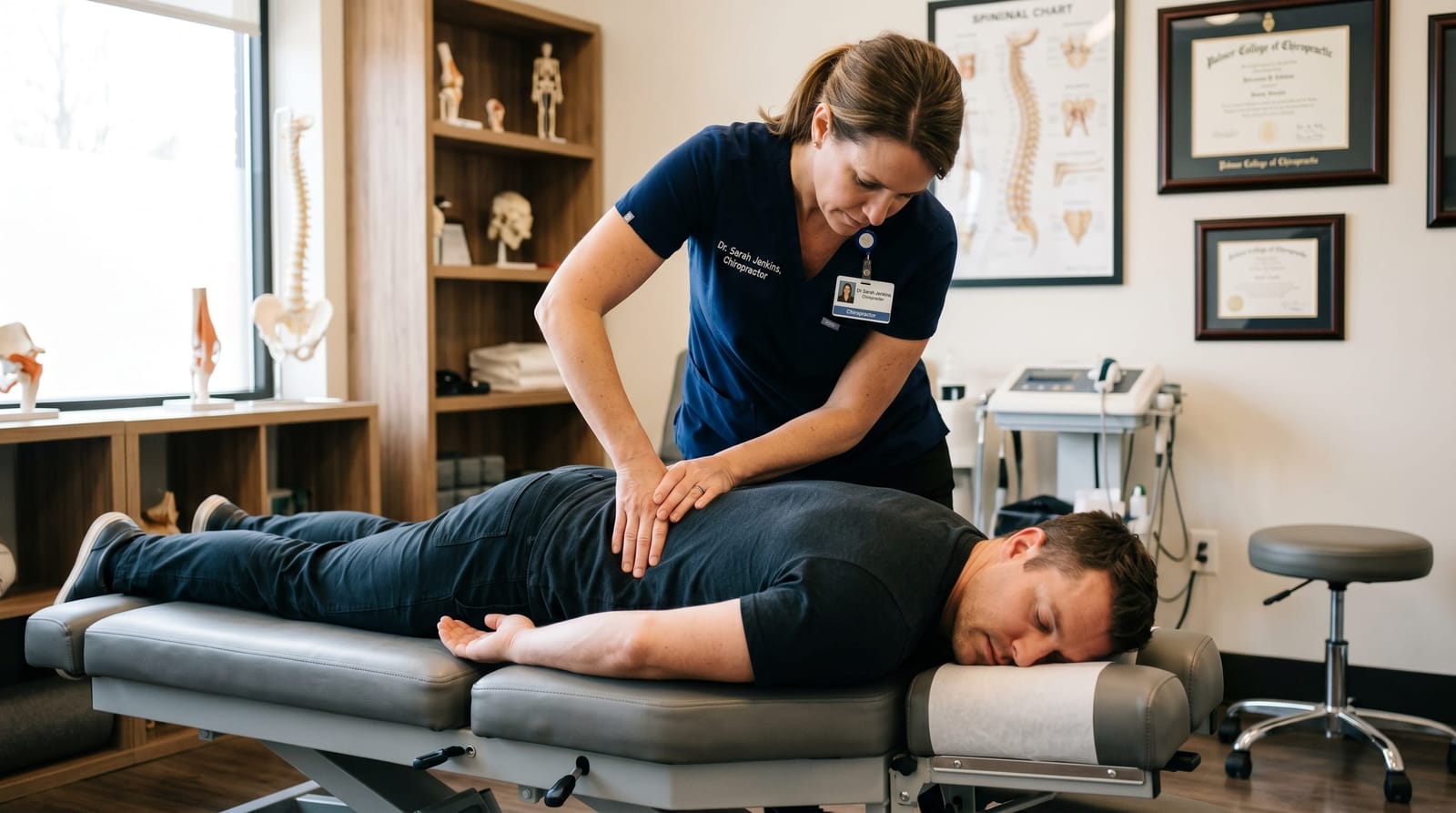
Postural Correction Through Chiropractic Care: Addressing Modern Problems

In today's digital age, poor posture has become a silent epidemic affecting millions of professionals who spend countless hours hunched over computers, tablets, and smartphones. As part of comprehensive advanced chiropractic treatment approaches, chiropractic postural correction represents a sophisticated solution to the complex postural dysfunction plaguing modern society. Unlike basic adjustments, effective chiropractic postural correction requires specialized techniques, advanced diagnostic capabilities, and a deep understanding of biomechanical relationships throughout the spine and musculoskeletal system. Through targeted interventions that address both the immediate symptoms and underlying causes of postural imbalances, experienced practitioners can restore proper alignment while preventing future complications. This comprehensive approach to chiropractic postural correction not only alleviates current discomfort but also optimizes long-term spinal health for busy professionals seeking premium care solutions.
Understanding Modern Postural Dysfunction: The Hidden Health Crisis
The statistics surrounding postural dysfunction in today's workforce are staggering. Research indicates that 86% of professionals spend their entire workday sitting, with the average office worker maintaining forward head posture for over 8 hours daily. This prolonged positioning creates what biomechanical experts term "upper crossed syndrome," where the head protrudes forward by an average of 2-4 inches from its optimal position. For every inch of forward head posture, the effective weight of the head on the cervical spine increases by approximately 10 pounds, meaning a head that normally weighs 12 pounds can exert up to 52 pounds of pressure on the neck and upper back.
Forward head posture, rounded shoulders, and anterior pelvic tilt represent the three most common postural distortions requiring chiropractic postural correction. These conditions don't occur in isolation: they create a cascade of compensatory changes throughout the kinetic chain. When the head moves forward, the thoracic spine increases its kyphotic curve by an average of 15-25 degrees, while the cervical lordosis decreases significantly. This biomechanical disruption affects breathing capacity, reducing lung function by up to 30% in severe cases.
The economic impact of postural dysfunction extends far beyond individual discomfort. Studies show that employees with postural problems miss an average of 12.8 more workdays annually compared to those with proper alignment. Additionally, poor posture contributes to decreased productivity, with affected individuals reporting 23% lower energy levels and 31% more frequent headaches. These statistics underscore why sophisticated chiropractic postural correction has become essential for high-performing professionals who cannot afford to let physical limitations impact their career success.
Advanced Assessment Techniques for Postural Analysis
Effective chiropractic postural correction begins with comprehensive postural analysis that goes far beyond visual observation. Modern assessment techniques employ sophisticated measurement tools including digital posture analysis systems, computerized range-of-motion testing, and advanced imaging when necessary. These technologies provide precise measurements of postural deviations, typically accurate within 1-2 degrees, allowing practitioners to develop targeted treatment protocols.
The postural assessment process includes several critical components that inform treatment decisions:
- Plumb line analysis measuring lateral displacement from optimal alignment
- Cervical lordosis assessment using digital inclinometry (normal range: 20-40 degrees)
- Thoracic kyphosis evaluation (optimal range: 25-45 degrees)
- Shoulder height differential measurement and scapular positioning analysis
- Pelvic tilt assessment and lumbar lordosis evaluation
- Weight distribution analysis showing percentage load on each lower extremity
Advanced practitioners also incorporate functional movement screening to identify compensatory patterns that contribute to postural dysfunction. This assessment reveals how daily activities like reaching overhead, bending forward, or rotating the trunk may perpetuate poor postural habits. The screening process typically identifies 3-5 primary movement dysfunctions that must be addressed alongside structural corrections for optimal chiropractic postural correction outcomes.
Muscle testing forms another crucial component of comprehensive postural assessment. Research shows that forward head posture weakens deep cervical flexors by an average of 38%, while simultaneously creating hypertonicity in the upper trapezius and levator scapulae muscles. Identifying these specific muscle imbalances allows practitioners to design targeted strengthening and stretching protocols that support long-term postural improvements.
Technology Integration in Postural Assessment
Contemporary chiropractic practices increasingly utilize digital postural analysis systems that provide objective measurements and progress tracking capabilities. These systems capture precise angles and distances, creating baseline measurements that guide treatment planning and document improvement over time. When combined with chiropractic and spinal decompression technologies, practitioners can offer the most comprehensive postural correction programs available.
Specialized Chiropractic Techniques for Postural Restoration
Chiropractic postural correction requires a sophisticated understanding of various manipulation and soft tissue techniques that address both joint restrictions and muscular imbalances. The most effective approaches combine multiple therapeutic modalities delivered in a specific sequence to optimize treatment outcomes. Research demonstrates that patients receiving comprehensive chiropractic postural correction show 67% greater improvement compared to those receiving single-modality treatments.
Upper cervical specific techniques form the foundation of effective chiropractic postural correction, particularly for addressing forward head posture. These precise adjustments target the atlantooccipital and atlantoaxial joints, which serve as the primary pivot points for head positioning. Studies show that specific upper cervical corrections can reduce forward head posture by an average of 12-18mm within the first 6 weeks of treatment.
The following advanced techniques represent the gold standard in chiropractic postural correction:
- Gonstead Technique: Provides precise analysis and correction of specific vertebral subluxations contributing to postural dysfunction
- Diversified Technique: Offers high-velocity, low-amplitude adjustments targeting multiple spinal levels simultaneously
- Activator Methods: Utilizes instrument-assisted manipulation for patients requiring gentler approaches
- Thompson Drop Table Technique: Employs momentum and gravity to enhance adjustment effectiveness while minimizing force
- Flexion-Distraction: Addresses disc-related postural problems through gentle spinal decompression
Advanced practitioners often integrate these approaches with specialized chiropractic manipulation techniques that target specific postural patterns. For example, patients with pronounced thoracic kyphosis may benefit from prone extension manipulation combined with anterior thoracic mobilization to restore proper spinal curvature.
Soft tissue techniques play an equally important role in comprehensive chiropractic postural correction. Myofascial release, trigger point therapy, and instrument-assisted soft tissue mobilization address the muscular components of postural dysfunction. Research indicates that combining manual adjustments with targeted soft tissue work improves treatment outcomes by 43% compared to adjustment alone.
Addressing Technology-Related Postural Problems
The rise of remote work and increased screen time has created new challenges requiring specialized chiropractic postural correction approaches. "Text neck" syndrome now affects 79% of individuals aged 18-44, creating unique biomechanical problems that demand innovative treatment strategies. This condition involves excessive cervical flexion, with the average smartphone user maintaining their neck in 45-60 degrees of flexion for 2-4 hours daily.
Technology-related postural problems typically present with specific patterns that experienced practitioners recognize immediately. These include thoracic outlet syndrome symptoms, cervicogenic headaches occurring 3-4 times weekly, and shoulder impingement secondary to protracted scapulae. The complexity of these interconnected problems requires sophisticated chiropractic postural correction protocols that address multiple system dysfunction simultaneously.
Treatment of technology-related postural dysfunction incorporates several key strategies:
- Cervical retraction exercises performed 15-20 repetitions, 3 times daily
- Thoracic extension mobilization targeting T3-T8 levels specifically
- Scapular stabilization strengthening focusing on middle and lower trapezius activation
- Deep cervical flexor strengthening progressing from 10-second holds to 30-second holds
- Upper trapezius and levator scapulae stretching protocols performed hourly during work
Clinical experience shows that professionals who implement comprehensive chiropractic postural correction programs specifically designed for technology-related problems experience 58% faster symptom resolution compared to generic treatment approaches. This accelerated recovery is particularly important for high-achieving individuals who cannot afford prolonged treatment timelines.
Ergonomic Integration and Workspace Optimization
Effective chiropractic postural correction extends beyond clinical treatment to include detailed ergonomic assessment and workspace modification recommendations. Practitioners provide specific guidelines for monitor positioning (top of screen at eye level), keyboard placement (elbows at 90-degree angles), and chair adjustment (feet flat on floor, thighs parallel to ground). These modifications work synergistically with clinical treatments to accelerate and maintain postural improvements.
Exercise Prescription and Postural Rehabilitation
Sustainable chiropractic postural correction requires comprehensive exercise prescription that addresses both strengthening and flexibility components. Research demonstrates that patients who consistently perform prescribed exercises maintain 84% of their postural improvements at 12-month follow-up, compared to only 31% maintenance in patients who receive adjustments alone. This dramatic difference underscores the critical importance of active patient participation in the rehabilitation process.
Effective exercise prescription follows a progressive model that begins with basic stabilization exercises and advances to functional movement patterns. The initial phase focuses on establishing neuromuscular control and basic strength in postural muscles that have become inhibited through prolonged poor positioning. Studies show that deep cervical flexors can be strengthened by 45% within 6 weeks of consistent exercise performance.
The comprehensive exercise program includes specific protocols for different phases of recovery:
- Phase 1 (Weeks 1-3): Basic activation exercises for deep stabilizing muscles
- Phase 2 (Weeks 4-8): Progressive strengthening with emphasis on endurance
- Phase 3 (Weeks 9-12): Functional integration and movement pattern training
- Phase 4 (Ongoing): Maintenance protocols and advanced strengthening
Flexibility components address the shortened muscles that develop secondary to prolonged postural stress. Upper trapezius, levator scapulae, and pectoralis minor muscles typically require 8-12 weeks of consistent stretching to achieve normal length-tension relationships. Each stretching exercise should be performed for 30-60 seconds and repeated 2-3 times for optimal effectiveness.
Advanced practitioners often incorporate proprioceptive training exercises that improve the body's ability to sense and correct postural deviations automatically. Balance board exercises, single-leg stance activities, and perturbation training enhance the nervous system's capacity to maintain proper alignment without conscious effort. This neurological retraining is essential for long-term success in chiropractic postural correction programs.
Home Exercise Program Development
Successful chiropractic postural correction depends heavily on patient compliance with home exercise programs. Research indicates that patients who receive detailed written instructions with accompanying photographs demonstrate 73% better exercise adherence compared to those receiving verbal instructions alone. Progressive programs that gradually increase difficulty help maintain patient motivation while ensuring appropriate challenge levels.
Long-term Maintenance and Prevention Strategies
Achieving optimal results from chiropractic postural correction requires a long-term perspective that extends well beyond initial symptom resolution. Studies tracking patients for 24 months post-treatment reveal that individuals who engage in comprehensive chiropractic maintenance care maintain 91% of their postural improvements, while those who discontinue care after symptom resolution experience 67% regression within 18 months.
Preventive strategies focus on both lifestyle modifications and ongoing therapeutic interventions. Successful patients typically implement specific daily routines that counteract the postural stresses of modern life. These routines include movement breaks every 30-45 minutes during prolonged sitting, specific stretching protocols performed 2-3 times daily, and regular strengthening exercises targeting postural muscles.
The maintenance phase of chiropractic postural correction typically involves periodic reassessment and adjustment of treatment protocols. Most patients benefit from monthly evaluations during the first year post-treatment, with frequency adjusting based on individual needs and lifestyle factors. High-stress professionals or individuals with demanding physical jobs may require more frequent monitoring to prevent postural regression.
Environmental modifications play a crucial role in long-term success. This includes ongoing ergonomic adjustments as work situations change, stress management strategies that prevent muscular tension buildup, and sleep position optimization to support spinal alignment during recovery hours. The integration of these multiple factors creates a comprehensive approach that addresses all aspects of postural health.
Conclusion
Chiropractic postural correction represents a sophisticated, evidence-based approach to addressing the complex postural dysfunction epidemic affecting today's professionals. Through advanced assessment techniques, specialized manipulation methods, comprehensive exercise prescription, and long-term maintenance strategies, experienced practitioners can deliver transformative results that extend far beyond basic pain relief. The integration of modern technology with time-tested manual therapy techniques creates treatment protocols that are both highly effective and precisely tailored to individual needs. For discerning professionals seeking premium care solutions, comprehensive chiropractic postural correction offers the expertise, sophistication, and results necessary to optimize both immediate comfort and long-term spinal health.
If you're ready to address your postural concerns with advanced chiropractic care, contact our Los Angeles practice today to schedule a comprehensive postural assessment and discover how specialized treatment can transform your posture and enhance your quality of life.