Does Cold Laser Therapy Help Sciatica Pain?
Cold laser therapy is sometimes used as a supportive treatment for sciatica, but relief is not assured. It applies light without surgery or medication; it does not mechanically relieve pressure on a nerve. The important question is what role it would serve in care for the cause of your symptoms.
For people exploring natural sciatica relief, understanding the difference between a treatment’s intended effects and changes in everyday comfort can make the options easier to compare.
This article provides general education, not a treatment recommendation. Our chiropractic team can evaluate your symptoms and discuss options in the context of your health history.
What Is Cold Laser Therapy?
Cold laser therapy generally refers to low-level laser therapy, also called photobiomodulation. It uses light applied to an area of the body without the cutting or tissue-destroying effects associated with surgical lasers. “Cold” distinguishes it from heat-based laser procedures; it does not mean the device cools the sciatic nerve.
The proposed mechanism involves light interacting with light-sensitive components inside cells to influence cellular activity and pain-related processes. That intended effect is different from physically changing pressure on a nerve.
Cold laser therapy is also different from laser spine surgery. It does not involve a surgical incision or removal of disc material. Similar names do not mean the procedures have the same purpose or risks.
Does It Reduce Sciatic Nerve Inflammation?
Describing cold laser therapy as an inflammation-focused treatment is not the same as demonstrating that it reduces inflammation around a particular spinal nerve. A change in discomfort alone cannot show whether nerve inflammation or pressure has changed.
Sciatica involves symptoms associated with irritation or compression of nerve structures, and several underlying conditions can be responsible. The EBSCO overview of natural treatments for sciatica explains these different possible causes.
Three distinctions help put treatment explanations in perspective:
- Cellular effects versus everyday improvement: An effect on cells is different from a noticeable change in comfort while sitting, walking, or sleeping.
- General back pain versus sciatica: An explanation about back discomfort does not automatically apply to pain associated with nerve irritation.
- Symptom improvement versus structural change: Feeling better does not, by itself, show that pressure on a nerve has changed.
A clear discussion of cold laser therapy separates its intended role from promises to “heal the nerve” or correct the underlying cause of sciatica.
What Would a Cold Laser Appointment Involve?
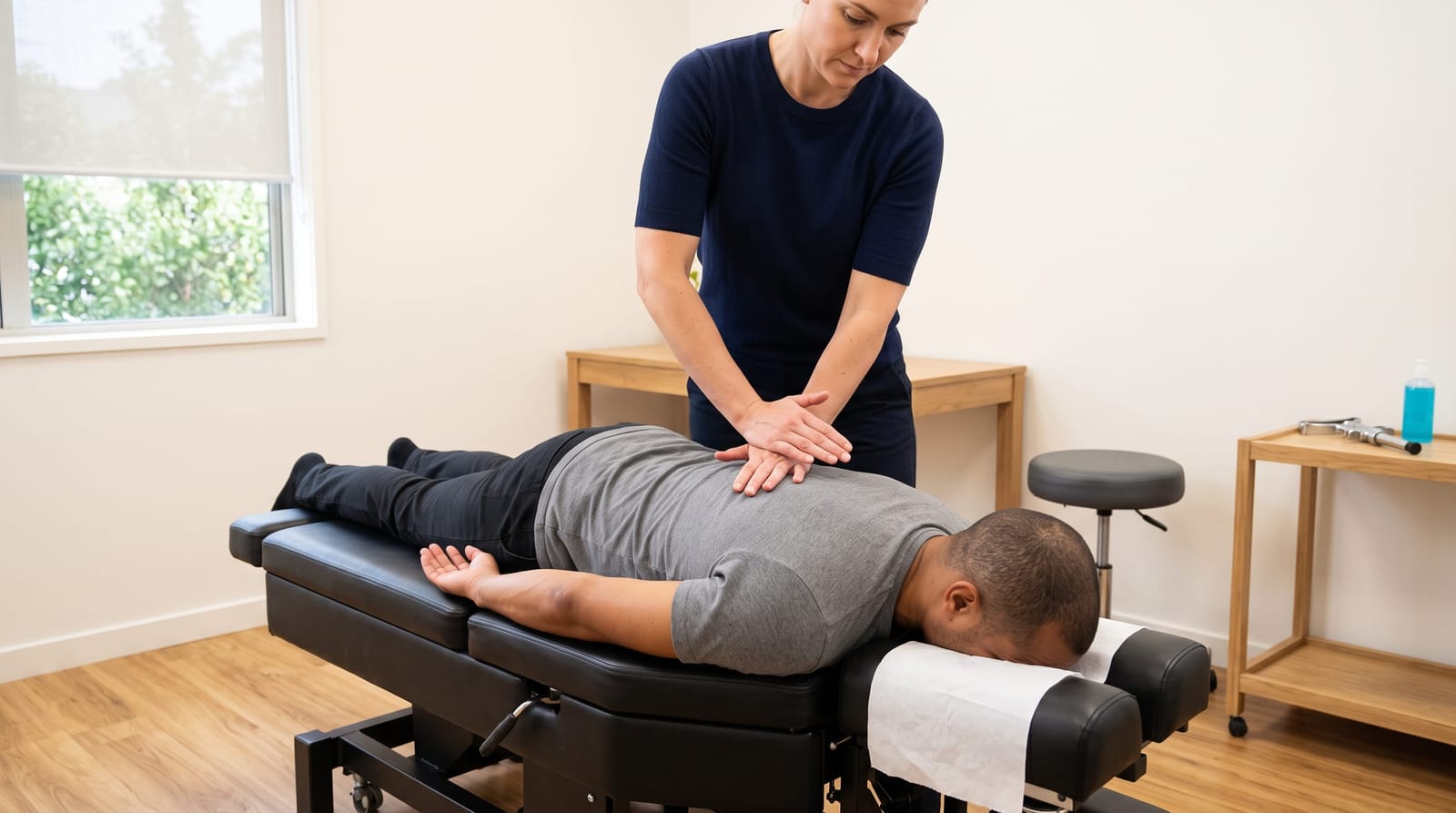
A cold laser visit may include a discussion of symptoms and medical history, an assessment, and application of a light-delivering device over the selected area. The application method and protective measures depend on the equipment and the clinician’s assessment.
Useful questions about the appointment include:
- Purpose: What symptom or limitation is the treatment intended to address?
- Rationale: Why is cold laser being considered for this particular pattern of symptoms?
- Comfort and safety: What sensations are expected, what protective measures are used, and which health-history details affect suitability?
- Schedule: What determines the number and spacing of visits?
- Review points: When will the response be reviewed, and what would prompt a change in the plan?
Session length and visit frequency are separate questions. One describes the time involved in an appointment; the other describes the proposed course of care. A clear explanation covers both, along with the purpose of reassessment.
How Does Cold Laser Compare With Spinal Decompression?
At Prodigy Chiro Care & Spinal Decompression in Santa Monica, we offer both cold laser therapy and nonsurgical spinal decompression. They are different procedures: cold laser applies light, while spinal decompression uses a computerized table to apply a controlled pulling force between the vertebrae, the bones of the spine.
These different mechanisms explain why the procedures may be discussed separately or within the same care plan. They do not, by themselves, show that combining the treatments produces better results or faster recovery.
Combining procedures also creates a practical tradeoff. It can add time to care and make it harder to identify which part is associated with a change in symptoms. A specific purpose for each procedure and a clear reassessment point make the plan easier to understand.
What Does “Natural Sciatica Relief” Really Mean?
“Natural” is a broad term, not a measure of effectiveness or a safety guarantee. For cold laser therapy, the more precise description is a non-drug, device-based procedure.
People looking for natural relief may have different priorities: understanding nonsurgical options, discussing alternatives to medication, or finding care that fits their daily responsibilities. Naming that priority gives the clinical conversation a clearer focus than choosing a procedure because it is described as natural.
For example, difficulty sitting through a meal is a specific concern to discuss during an assessment. It provides a concrete point for follow-up without assuming that cold laser, or any other single procedure, is the answer.
What Makes a Treatment Plan Clear?
A useful explanation connects three things: why a procedure is being considered, what change it is intended to address, and when the response will be reviewed. For cold laser therapy, that means distinguishing its supportive role from treatment of the underlying cause of nerve symptoms.
A proposed session count is only one part of that explanation. The goal and review process give the schedule meaning and help keep decisions focused on everyday function rather than the number of treatments included.