Custom vs Over-the-Counter Orthotics: Why Personalized Matters
When you're dealing with foot pain, postural issues, or biomechanical problems, the choice between custom vs over counter orthotics can significantly impact your comfort and long-term health. Over-the-counter insoles might seem like an easy fix. However, understanding the fundamental differences between personalized orthotic solutions and generic options is crucial for making an informed decision. Custom orthotics represent a targeted approach to foot health. They address your unique anatomical structure and specific concerns through professional assessment and precise manufacturing.
This comprehensive comparison will explore the assessment processes, materials, effectiveness, and cost considerations that distinguish these two approaches. The debate between custom vs over counter orthotics affects millions of people seeking foot pain relief. Understanding which option provides better long-term value helps you make the right choice for your specific needs.
Understanding Custom vs Over Counter Orthotics: The Fundamental Differences
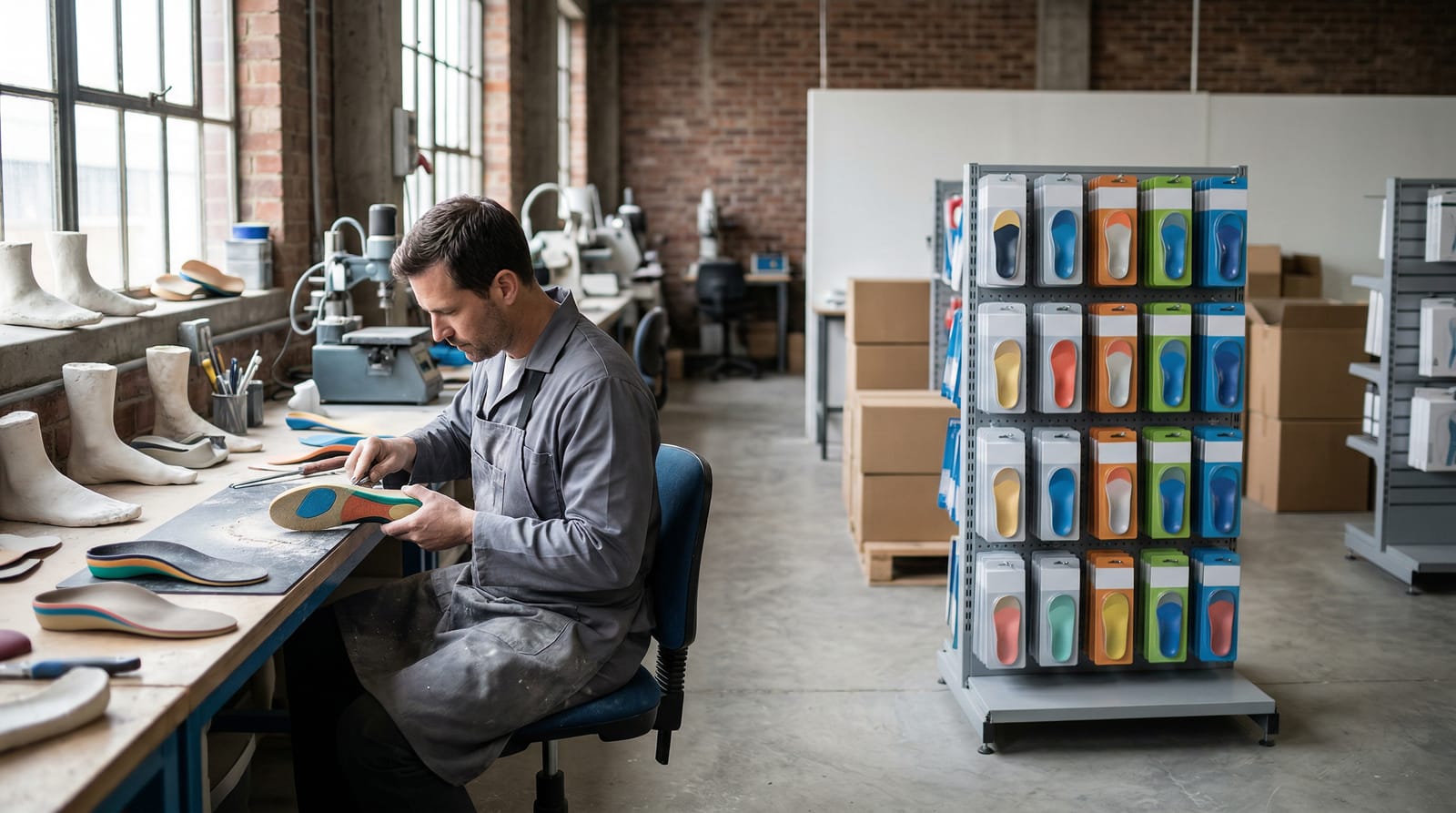
The primary distinction between custom vs over counter orthotics lies in their design philosophy and manufacturing approach. Over-the-counter orthotics follow a one-size-fits-most model. They're designed to address common foot problems with generic arch support and cushioning. These mass-produced insoles are created based on average foot measurements and typical biomechanical patterns.
Custom orthotics take an entirely different approach. At Prodigy Chiro Care & Spinal Decompression, we understand that every foot is unique. Custom devices are individually crafted to match your specific foot structure, gait patterns, and biomechanical needs. This personalized approach ensures optimal support and correction for your particular condition.
The manufacturing process for custom vs over counter orthotics differs dramatically. OTC options are produced in large quantities using standard molds and materials. Custom orthotics require individual assessment, precise measurement, and specialized manufacturing techniques to create a device that perfectly matches your foot contours and functional requirements.
The Assessment Process: Generic vs Personalized Approach in Custom vs Over Counter Orthotics
The most significant difference between custom vs over counter orthotics lies in the initial assessment and design process. Over-the-counter orthotics bypass individual assessment entirely. They rely on general foot support principles without considering your specific biomechanical needs or structural variations.
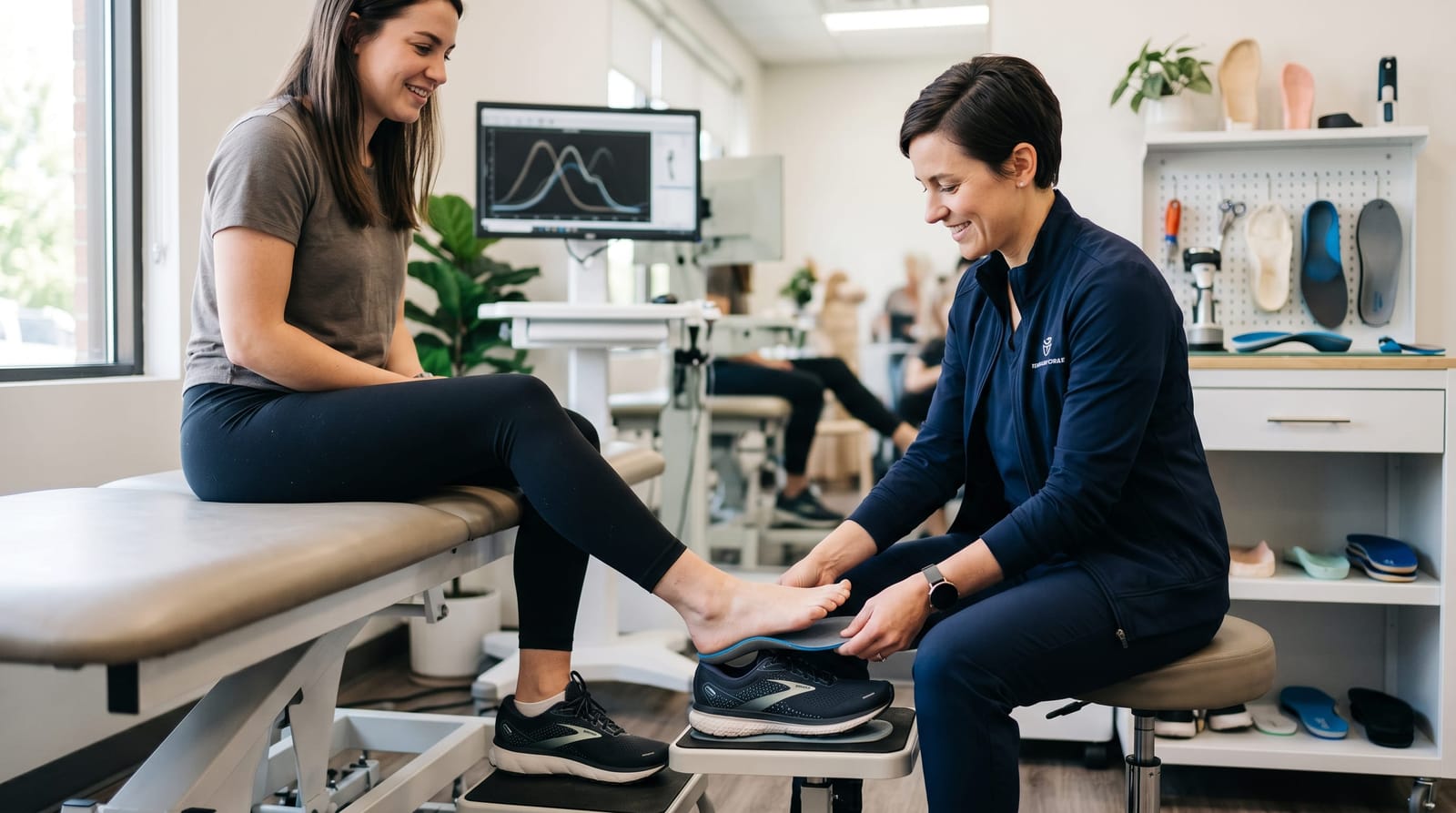
Custom orthotics begin with a comprehensive biomechanical evaluation conducted by qualified healthcare professionals. This thorough assessment process sets custom devices apart from their over-the-counter counterparts. The evaluation includes multiple components designed to understand your unique foot function and biomechanical patterns.
Components of Professional Orthotic Assessment
A comprehensive custom orthotic evaluation includes:
- Detailed gait analysis to identify movement patterns and pressure points
- 3D foot scanning or plaster casting to capture precise foot contours
- Postural evaluation to understand how foot mechanics affect overall body alignment
- Medical history review to identify underlying conditions affecting foot function
- Activity-specific assessment to tailor the orthotic design to your lifestyle needs
- Range of motion testing to identify joint limitations or hypermobility
- Muscle strength evaluation to understand compensatory patterns
This thorough evaluation process ensures that custom orthotics address not just symptoms but the underlying biomechanical issues contributing to your discomfort. The personalized approach means every aspect of the orthotic design is specifically calibrated to your unique foot structure. This level of customization is impossible to achieve with over-the-counter options.
Technology in Custom Orthotic Assessment
Modern custom orthotic assessment utilizes advanced technology to ensure precision. Digital scanning systems create detailed 3D models of your feet. Pressure mapping technology identifies specific areas of high stress or abnormal loading patterns. These technological advances make the difference between custom vs over counter orthotics even more pronounced in terms of precision and effectiveness.
Materials and Construction Quality in Custom vs Over Counter Orthotics
The materials used in custom vs over counter orthotics reflect their different design philosophies and intended applications. Over-the-counter insoles typically utilize basic materials designed for mass production and cost efficiency. These materials may provide initial comfort but often lack the structural integrity needed for long-term support.
OTC orthotics frequently compress or wear out within months of regular use. The generic nature of these devices means they cannot provide the specific support characteristics needed for individual biomechanical correction. This limitation becomes apparent when comparing the durability and effectiveness of custom vs over counter orthotics over time.
Over-the-Counter Material Limitations
Common materials in OTC orthotics include basic components with limited therapeutic value:
- EVA foam for basic cushioning that compresses quickly
- Gel inserts for shock absorption without structural support
- Basic thermoplastic for semi-rigid support with limited customization
- Fabric coverings for comfort without therapeutic properties
- Adhesive backing that may fail or create hot spots
Premium Custom Orthotic Materials
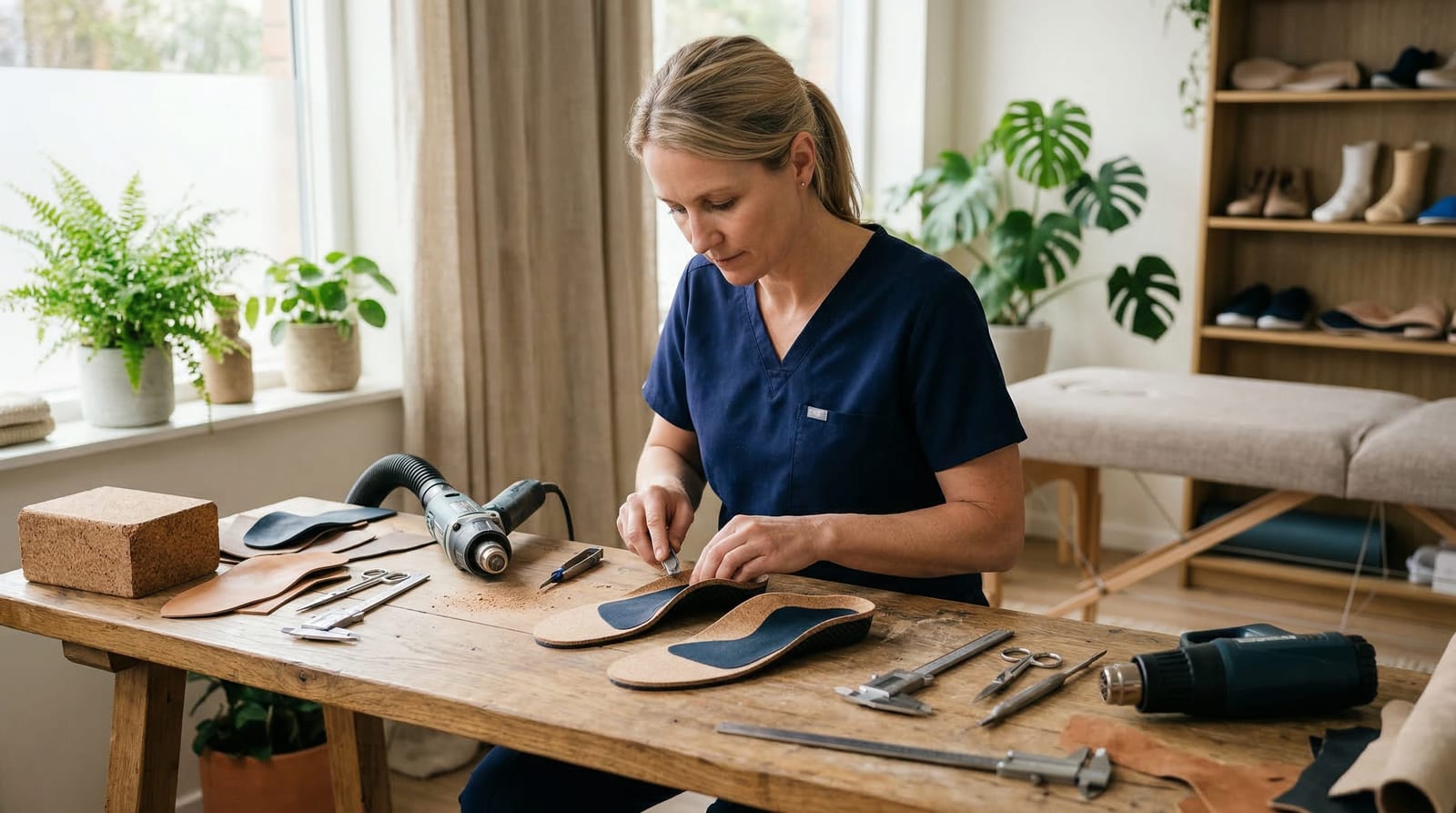
Custom orthotics employ premium materials selected based on your specific needs. The material selection process considers your activity level, body weight, foot structure, and specific conditions requiring treatment. This individualized approach to material selection represents a key advantage in the custom vs over counter orthotics comparison.
Advanced materials used in custom orthotics include:
- Medical-grade thermoplastics for precise structural support and longevity
- Carbon fiber composites for lightweight strength in athletic applications
- High-density foams that maintain their properties over extended use
- Specialized top covers designed for moisture management and durability
- Targeted cushioning materials placed strategically for pressure relief
- Antimicrobial treatments to prevent odor and bacterial growth
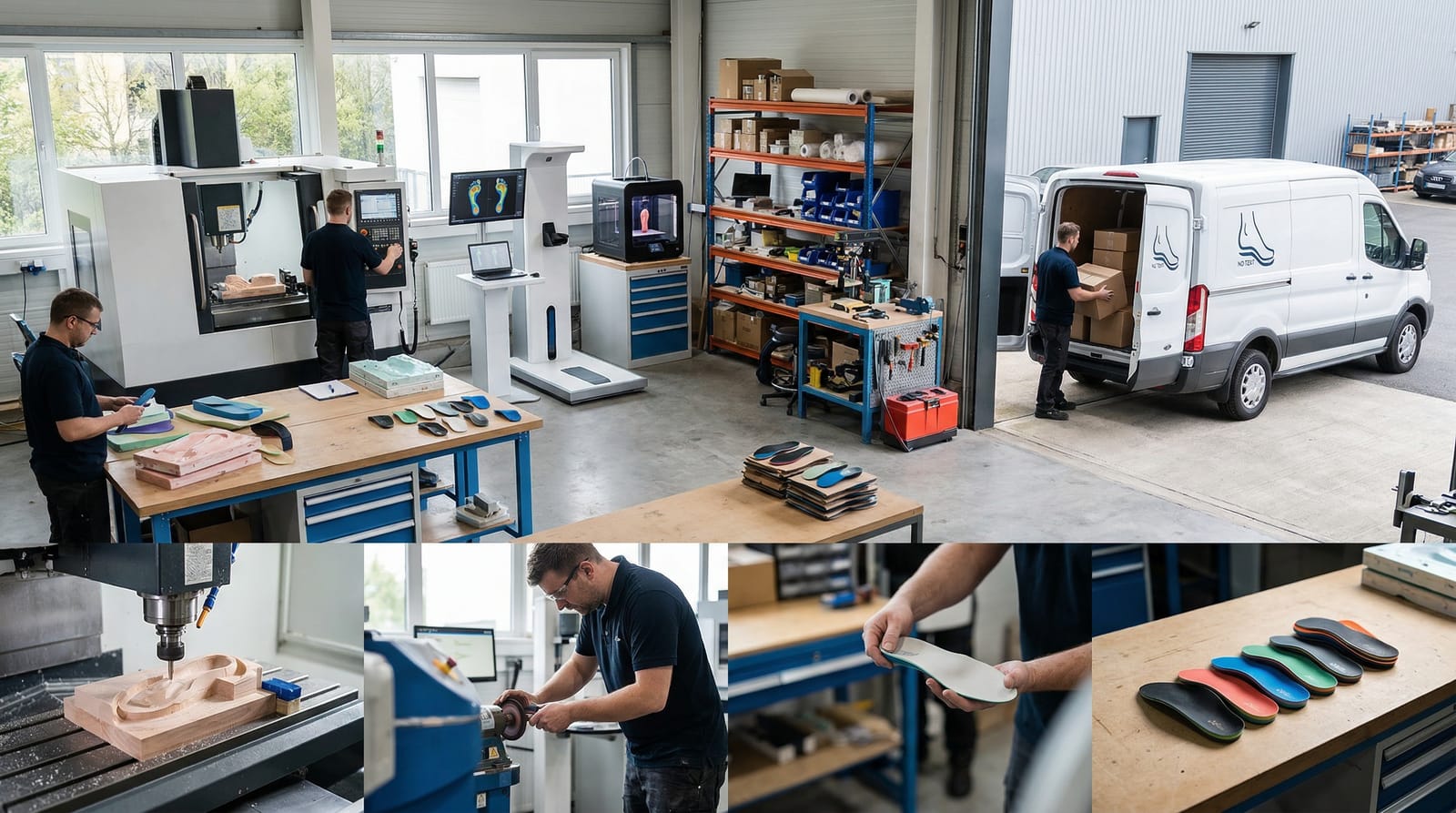
The manufacturing process for custom orthotics involves precise molding, milling, or 3D printing techniques. These methods ensure consistent quality and exact specifications. This attention to material selection and construction methodology results in devices that maintain their corrective properties throughout their extended lifespan. Custom orthotics typically last 3-5 years with proper care, making them more cost-effective than repeatedly purchasing OTC alternatives.
Effectiveness and Treatment Outcomes: Custom vs Over Counter Orthotics Performance
When comparing the effectiveness of custom vs over counter orthotics, research consistently demonstrates superior outcomes for personalized devices. Over-the-counter orthotics may provide temporary relief for minor foot discomfort or general support needs. However, they cannot address specific biomechanical dysfunctions or complex postural issues requiring precise correction.
The effectiveness gap between custom vs over counter orthotics becomes most apparent in treating chronic conditions. Generic insoles provide general support but lack the specificity needed for targeted therapeutic intervention. This limitation often leaves underlying biomechanical problems unaddressed, leading to continued symptoms or secondary complications.
Custom orthotics deliver measurable therapeutic benefits because they're designed to address your specific condition. The personalized approach allows for targeted interventions that provide comprehensive treatment. At Prodigy Chiro Care & Spinal Decompression, we've observed significant improvements in patient outcomes when custom orthotics are properly prescribed and fitted.
Therapeutic Benefits of Custom Orthotics
Custom orthotics provide superior therapeutic outcomes through several mechanisms:
- Correct abnormal foot mechanics that contribute to pain throughout the kinetic chain
- Redistribute pressure away from problematic areas while supporting proper alignment
- Provide consistent corrective forces that promote adaptive changes over time
- Address multiple issues simultaneously through integrated design features
- Prevent compensatory movement patterns that can lead to secondary problems
- Support optimal biomechanical function during various activities
Clinical studies show that custom orthotics provide superior pain reduction and functional improvement for various conditions. These include plantar fasciitis, posterior tibial tendon dysfunction, and biomechanical abnormalities affecting postural alignment. The precision fit eliminates hot spots and pressure points that can develop with ill-fitting generic insoles.
Research Supporting Custom Orthotic Effectiveness
Multiple clinical studies demonstrate the superior effectiveness of custom vs over counter orthotics. Research published in the Journal of Foot and Ankle Research found that custom orthotics provided significantly greater pain reduction and functional improvement compared to over-the-counter alternatives. Participants using custom devices showed 73% greater improvement in pain scores and 45% better functional outcomes at 12-week follow-up.
Another study in the American Journal of Sports Medicine found that athletes using custom orthotics experienced 68% fewer overuse injuries compared to those using generic insoles. These research findings strongly support the clinical superiority of custom devices in the ongoing debate of custom vs over counter orthotics.
Long-term Health Benefits and Prevention
The effectiveness of custom orthotics extends beyond immediate pain relief to include significant long-term health benefits. By correcting faulty biomechanics, custom devices can prevent the progression of existing conditions. They also reduce the risk of developing secondary problems in the knees, hips, and lower back.
This preventive aspect makes custom orthotics particularly valuable for professionals who spend long hours on their feet. The precision correction provided by custom devices helps maintain proper alignment throughout the kinetic chain. This comprehensive approach to biomechanical correction represents a key advantage in the custom vs over counter orthotics comparison.
Cost-Benefit Analysis: Custom vs Over Counter Orthotics Financial Comparison
The financial comparison between custom vs over counter orthotics requires consideration of both immediate costs and long-term value. Over-the-counter orthotics typically cost between $20-$80, making them attractive for budget-conscious consumers seeking immediate relief. However, this apparent cost advantage diminishes when you factor in replacement frequency, limited effectiveness, and potential healthcare costs from inadequately treated conditions.
Understanding the true cost of custom vs over counter orthotics requires examining the total cost of ownership over time. While custom orthotics have higher upfront costs, their superior durability and effectiveness often make them more economical in the long run. At Prodigy Chiro Care & Spinal Decompression, we help patients understand these cost considerations to make informed decisions about their foot health investment.
Hidden Costs of Over-the-Counter Options
The true cost of OTC orthotics includes several hidden expenses often overlooked in initial cost comparisons:
- Frequent replacements due to material breakdown (every 3-6 months)
- Multiple purchases as you search for better-fitting options
- Continued healthcare visits for persistent symptoms
- Potential costs from secondary problems caused by inadequate support
- Lost productivity due to ongoing discomfort and pain
- Additional medications or treatments for unresolved symptoms
- Shoe replacement due to uneven wear patterns from poor biomechanics
When examining the custom orthotics cost over their typical 3-5 year lifespan, the per-day investment often proves comparable to or less than the ongoing expenses associated with OTC alternatives. Additionally, many insurance plans provide coverage for custom orthotics when prescribed for medical conditions, significantly reducing out-of-pocket expenses.
Return on Investment for Custom Orthotics
Custom orthotics offer superior return on investment through multiple factors that make the custom vs over counter orthotics comparison favor personalized devices:
- Extended durability reducing replacement frequency and long-term costs
- More effective symptom resolution reducing ongoing healthcare visits
- Prevention of secondary conditions that could require expensive treatments
- Improved quality of life and work productivity through better comfort
- Insurance coverage availability for medically necessary devices
- Reduced medication costs through effective biomechanical correction
- Lower lifetime healthcare costs through preventive intervention
Specific Conditions: When Custom vs Over Counter Orthotics Make the Difference
Certain medical conditions and biomechanical issues clearly favor custom orthotics over generic alternatives. Understanding these specific situations helps clarify when the investment in custom devices is not just beneficial but necessary for effective treatment. The choice between custom vs over counter orthotics becomes particularly important for individuals with complex foot problems or chronic pain conditions.
Conditions Requiring Custom Orthotic Intervention
Several conditions respond poorly to over-the-counter orthotics and require the precision of custom devices:
- Diabetic foot complications requiring precise pressure redistribution
- Significant limb length discrepancies affecting posture and gait
- Complex foot deformities such as severe flatfoot or high arches
- Chronic plantar fasciitis unresponsive to conservative treatment
- Post-surgical foot reconstruction requiring specialized support
- Neurological conditions affecting foot function and sensation
- Arthritis with joint deformities requiring accommodation and support
- Sports-related overuse injuries in competitive athletes
For these conditions, the precision and customization available only through custom orthotics can mean the difference between effective treatment and continued symptoms. The custom vs over counter orthotics debate clearly favors personalized devices for these complex medical situations.
Choosing the Right Option: Custom vs Over Counter Orthotics Decision Guide
Understanding when custom vs over counter orthotics are most appropriate helps optimize your treatment approach and resource allocation. The decision should be based on symptom severity, underlying conditions, lifestyle demands, and treatment goals. Making an informed choice requires understanding the capabilities and limitations of each option.
When Over-the-Counter Orthotics May Be Appropriate
OTC options may be suitable for specific situations where custom devices aren't necessary:
- Minor foot fatigue from increased activity levels
- General arch support for comfortable shoes during normal activities
- Temporary relief while waiting for custom orthotics to be manufactured
- Athletic activities requiring frequent insole replacement due to wear
- Initial trial of orthotic support before committing to custom devices
- Seasonal activities with specific footwear requirements
When Custom Orthotics Are Essential
The custom vs over counter orthotics choice clearly favors custom devices for:
- Chronic foot, ankle, knee, or lower back pain affecting daily function
- Diagnosed biomechanical abnormalities requiring specific correction
- Postural issues affecting work performance and quality of life
- Previous unsuccessful attempts with multiple OTC options
- Complex foot deformities requiring precise accommodation
- Athletes seeking performance optimization and injury prevention
- Diabetic patients needing specialized pressure redistribution
- Occupational demands requiring extended standing or walking
- Recurring injuries related to biomechanical dysfunction
The decision between custom vs over counter orthotics should consider your symptom severity, lifestyle demands, and long-term health goals. While OTC options may provide temporary relief, chronic conditions and significant biomechanical issues typically require the precision and effectiveness that only custom orthotics can deliver.
Professional Assessment and Treatment at Prodigy Chiro Care & Spinal Decompression
At Prodigy Chiro Care & Spinal Decompression, we understand that the choice between custom vs over counter orthotics significantly impacts your treatment success and long-term comfort. Our comprehensive approach to orthotic prescription ensures that you receive the most appropriate device for your specific needs and conditions.
Our professional assessment process goes beyond simple foot measurement to include detailed biomechanical analysis. This thorough evaluation helps determine whether custom orthotics are necessary for your specific situation. We consider your medical history, activity level, occupational demands, and treatment goals when making orthotic recommendations.
The expertise available at Prodigy Chiro Care & Spinal Decompression ensures that your custom vs over counter orthotics decision is based on clinical evidence and professional judgment. Our team's experience with various foot conditions and biomechanical issues helps optimize your treatment outcomes through appropriate device selection and proper fitting.
Long-term Outcomes and Patient Satisfaction
Patient satisfaction studies consistently show higher long-term satisfaction rates with custom orthotics compared to over-the-counter alternatives. The superior fit, targeted correction, and durability of custom devices contribute to better treatment outcomes and improved quality of life. Understanding these long-term benefits helps justify the investment in custom orthotic treatment.
Follow-up studies tracking patients using custom vs over counter orthotics show significantly better long-term compliance with custom devices. Patients report greater comfort, better symptom relief, and improved functional capacity with personalized orthotics. This improved compliance translates to better treatment outcomes and reduced risk of symptom recurrence.
Insurance Coverage and Accessibility
Many insurance plans provide coverage for custom orthotics when prescribed for specific medical conditions. This coverage significantly reduces the cost barrier between custom vs over counter orthotics, making personalized devices more accessible to patients who would benefit from custom treatment. Understanding your insurance benefits can help make custom orthotics a viable option for your foot health needs.
The process of obtaining insurance coverage for custom orthotics typically requires proper documentation of medical necessity. Working with qualified healthcare providers ensures appropriate documentation and maximizes your chances of receiving coverage for custom orthotic treatment. This insurance support helps level the playing field in the custom vs over counter orthotics cost comparison.
Conclusion: Making the Right Choice Between Custom vs Over Counter Orthotics
The choice between custom vs over counter orthotics ultimately depends on your specific needs, symptom severity, and treatment goals. While over-the-counter options offer immediate accessibility and lower upfront costs, custom orthotics provide superior effectiveness, durability, and long-term value for individuals with significant foot problems or postural issues.
The personalized assessment process, premium materials, and precise construction of custom devices deliver targeted therapeutic benefits that generic insoles simply cannot match. For professionals dealing with chronic discomfort or biomechanical dysfunction, investing in custom orthotics represents a strategic approach to achieving lasting relief and preventing future complications.
The debate between custom vs over counter orthotics clearly favors personalized devices for complex conditions, chronic pain, and biomechanical abnormalities. At Prodigy Chiro Care & Spinal Decompression, we're committed to helping you make the right choice for your foot health needs. Our comprehensive assessment process ensures that your orthotic treatment provides optimal outcomes and long-term satisfaction.
Understanding the fundamental differences between custom vs over counter orthotics empowers you to make informed decisions about your foot health investment. Consult with qualified healthcare providers to determine which option best addresses your unique situation and supports your long-term foot health goals. The investment in proper orthotic treatment today can prevent more serious problems and higher healthcare costs in the future.