Common Workplace Injuries: From Desk Jobs to Physical Labor
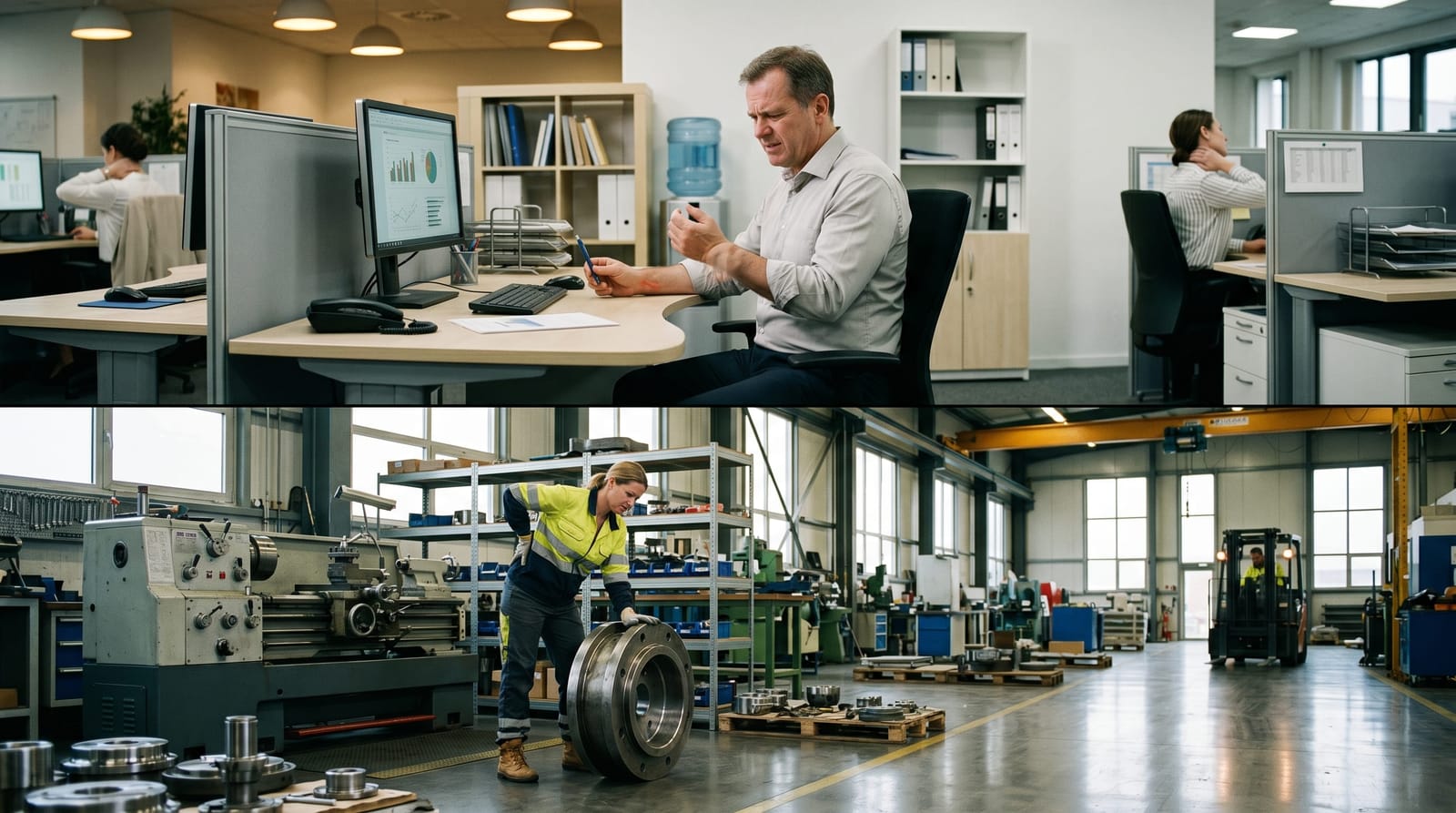
Common workplace injuries affect millions of workers annually, creating significant challenges for both employees and employers across all industries. According to the Bureau of Labor Statistics, approximately 2.8 million workplace injuries occur each year in the United States alone. Understanding these common workplace injuries is essential for creating safer work environments and maintaining peak performance in today's competitive business landscape.
At Prodigy Chiro Care & Spinal Decompression, we've treated countless professionals suffering from work-related injuries throughout Los Angeles. Our experience has shown that prevention and early intervention are key to maintaining workforce productivity and employee well-being. This comprehensive guide explores the most frequent workplace injuries, their causes, prevention strategies, and effective treatment options.
The Most Common Workplace Injuries by Industry
Workplace injuries vary significantly across different industries and job types. Research from the Occupational Safety and Health Administration (OSHA) reveals distinct patterns of common workplace injuries based on work environments and job demands.
Office and Desk Job Injuries
Modern office environments present unique challenges that contribute to various common workplace injuries. Despite appearing safe, desk jobs account for numerous injury claims annually.
- Repetitive strain injuries from constant computer use
- Back and neck pain from prolonged sitting
- Eye strain and headaches from screen exposure
- Carpal tunnel syndrome from repetitive typing motions
- Shoulder impingement from poor workstation ergonomics
Physical Labor and Industrial Injuries
Workers in construction, manufacturing, and warehouse environments face different types of common workplace injuries due to the physical demands of their roles.
- Back injuries from heavy lifting and repetitive bending
- Shoulder strains from overhead work and lifting
- Knee injuries from prolonged standing and kneeling
- Hand and wrist injuries from tool use and gripping
- Slip and fall injuries from wet or uneven surfaces
Understanding Repetitive Strain Injuries in Detail
Repetitive Strain Injuries (RSIs) represent one of the most prevalent categories of common workplace injuries. These conditions develop gradually through repeated stress on muscles, tendons, and nerves. The National Institute for Occupational Safety and Health reports that RSIs account for nearly 34% of all workplace injury cases.
Types and Symptoms of RSIs
The spectrum of repetitive strain injuries encompasses various conditions affecting different body parts. Early recognition of symptoms can prevent long-term complications and reduce recovery time.
Carpal tunnel syndrome affects the median nerve in the wrist, causing numbness, tingling, and weakness in the hand. This condition commonly develops in workers who perform repetitive hand motions for extended periods. Symptoms typically worsen at night and may progress to severe pain if left untreated.
Tendonitis involves inflammation of tendons due to overuse and repetitive motions. Common locations include the elbow (tennis elbow), shoulder, and wrist. Workers may experience pain, swelling, and reduced range of motion in affected areas.
Trigger finger occurs when tendons in the fingers become inflamed and catch on the tendon sheath. This condition causes fingers to lock in a bent position and affects workers who perform gripping motions repeatedly.
Prevention Strategies for RSIs
Preventing repetitive strain injuries requires a comprehensive approach combining proper ergonomics, regular breaks, and employee education. Prodigy Chiro Care & Spinal Decompression recommends implementing these evidence-based prevention strategies:
- Ergonomic workstation assessments and adjustments
- Regular micro-breaks every 30 minutes during repetitive tasks
- Stretching exercises targeting at-risk muscle groups
- Job rotation to vary physical demands throughout the day
- Proper training on safe work techniques and postures
Back Injuries: The Leading Cause of Workplace Disability
Back injuries consistently rank among the most common workplace injuries across all industries. The American Chiropractic Association reports that back pain affects 31 million Americans at any given time, with workplace factors contributing significantly to this epidemic.
Causes of Workplace Back Injuries
Understanding the root causes of back injuries helps employers and employees develop targeted prevention strategies. Poor lifting techniques contribute to approximately 60% of workplace back injuries, while prolonged sitting and poor posture account for an additional 25%.
Heavy lifting without proper technique places excessive stress on the lumbar spine and surrounding muscles. Workers who lift objects weighing more than 23 kilograms regularly face significantly higher injury risks. Awkward lifting positions, such as twisting while lifting, compound these risks substantially.
Prolonged sitting creates sustained pressure on spinal discs, leading to degeneration and pain over time. Office workers who sit for more than six hours daily show increased rates of lower back pain and disc-related injuries.
Vibration exposure from machinery and vehicles can contribute to back problems through continuous stress on the spine. Studies show that workers exposed to whole-body vibration for extended periods experience higher rates of disc degeneration.
Prevention and Treatment Approaches
Effective prevention of back injuries requires addressing both individual behaviors and workplace conditions. Training programs focusing on proper lifting techniques have shown remarkable success in reducing injury rates by up to 45%.
Prodigy Chiro Care & Spinal Decompression utilizes advanced spinal decompression therapy for treating workplace back injuries. This non-invasive treatment approach has demonstrated significant success in helping professionals return to peak performance quickly and safely.
Ergonomic Solutions for Common Workplace Injuries
Proper ergonomics play a crucial role in preventing common workplace injuries across all work environments. Research demonstrates that comprehensive ergonomic programs can reduce injury rates by 40-60% while improving productivity and job satisfaction.
Office Ergonomics Best Practices
Creating an ergonomically sound office environment requires attention to multiple factors affecting employee comfort and safety. Monitor positioning significantly impacts neck and eye strain, with optimal placement at arm's length and top of screen at or below eye level.
Chair selection and adjustment directly influence posture and back health. Proper lumbar support maintains the natural curve of the spine, while adjustable armrests reduce shoulder and neck tension. Feet should rest flat on the floor or footrest to maintain proper leg positioning.
Keyboard and mouse positioning affects wrist and shoulder alignment. Maintaining neutral wrist positions prevents carpal tunnel syndrome and other repetitive strain injuries. Wrists should remain straight and relaxed during typing, with shoulders in a natural, relaxed position.
Industrial Ergonomics Applications
Manufacturing and warehouse environments present unique ergonomic challenges requiring specialized solutions. Workstation height adjustability accommodates workers of different statures and reduces awkward postures. Anti-fatigue mats provide cushioning for workers who stand for extended periods.
Mechanical lifting aids, such as hoists and conveyors, reduce the physical demands of material handling. These tools significantly decrease the risk of back injuries and other musculoskeletal disorders among industrial workers.
Technology-Related Injuries in the Digital Age
The rapid adoption of technology in workplaces has introduced new categories of common workplace injuries. Digital eye strain affects approximately 58% of adults who use computers regularly, according to the Vision Council's Digital Eye Strain Report.
Digital Eye Strain and Computer Vision Syndrome
Extended screen use creates multiple stressors for the visual system. Blue light exposure from digital devices can disrupt sleep patterns and contribute to eye fatigue. Reduced blink rates while focusing on screens lead to dry eyes and irritation.
Screen glare from poor lighting conditions forces eyes to work harder, increasing fatigue and discomfort. Improper viewing distances and angles compound these effects, leading to neck strain and headaches in addition to visual symptoms.
Prevention Strategies for Tech-Related Injuries
The 20-20-20 rule provides an effective framework for reducing digital eye strain. Every 20 minutes, workers should look at an object 20 feet away for at least 20 seconds. This simple practice relaxes focusing muscles and reduces accommodation fatigue.
Proper lighting design minimizes screen glare and reduces eye strain. Ambient lighting should be approximately half as bright as typical office lighting, with task lighting providing additional illumination when needed.
Slip, Trip, and Fall Injuries
Slip, trip, and fall incidents represent another significant category of common workplace injuries. The National Safety Council reports that falls account for approximately 25% of all workplace injury claims, resulting in substantial medical costs and lost productivity.
Common Causes and Risk Factors
Wet or slippery surfaces create the highest risk for slip injuries. Spilled liquids, freshly mopped floors, and weather-related moisture contribute to dangerous conditions. Inadequate drainage in work areas compounds these risks significantly.
Uneven surfaces and obstacles in walkways increase trip hazards substantially. Poor housekeeping practices, temporary obstructions, and worn flooring materials create dangerous conditions for workers. Inadequate lighting makes these hazards more difficult to detect and avoid.
Prevention Through Environmental Controls
Implementing comprehensive housekeeping procedures reduces slip, trip, and fall risks dramatically. Regular inspection schedules identify potential hazards before they cause injuries. Prompt cleanup of spills and proper storage of materials maintain safe walkways.
Proper footwear selection plays a crucial role in preventing slips and falls. Slip-resistant soles provide better traction on various surfaces, while appropriate tread patterns improve grip on wet or uneven surfaces.
The Role of Prodigy Chiro Care & Spinal Decompression in Workplace Injury Recovery
When common workplace injuries occur despite prevention efforts, prompt and effective treatment becomes essential for optimal recovery outcomes. Prodigy Chiro Care & Spinal Decompression specializes in treating work-related injuries using evidence-based approaches tailored to each patient's specific needs.
Comprehensive Assessment and Treatment Planning
Our experienced team conducts thorough evaluations to identify the root causes of workplace injuries. Advanced diagnostic techniques help develop targeted treatment plans that address both symptoms and underlying issues. This comprehensive approach ensures faster recovery times and reduces the likelihood of re-injury.
Spinal decompression therapy offers a non-invasive solution for disc-related back injuries common in workplace settings. This advanced treatment method gently stretches the spine, creating negative pressure that promotes healing and pain relief. Many patients experience significant improvement within weeks of beginning treatment.
Return-to-Work Protocols
Successful return-to-work programs require coordination between healthcare providers, employers, and employees. Prodigy Chiro Care & Spinal Decompression works closely with patients to develop gradual return-to-work plans that prevent re-injury while maintaining productivity.
Functional capacity evaluations assess workers' ability to perform specific job tasks safely. These assessments guide return-to-work decisions and identify any necessary workplace modifications or restrictions.
Creating a Culture of Safety and Prevention
Reducing common workplace injuries requires commitment from all organizational levels. Leadership support for safety initiatives demonstrates the importance of employee well-being and encourages participation in prevention programs.
Employee Training and Education
Comprehensive safety training programs educate workers about common workplace injuries and prevention strategies. Regular refresher training ensures that safety knowledge remains current and top-of-mind for all employees.
Peer safety programs encourage workers to look out for one another and identify potential hazards. These programs create accountability and foster a collaborative approach to workplace safety.
Measuring and Monitoring Progress
Regular analysis of injury data helps identify trends and areas for improvement. Tracking metrics such as injury rates, severity, and costs provides valuable insights for program refinement.
Employee feedback surveys gather input on safety conditions and program effectiveness. This information helps organizations address concerns proactively and improve their safety culture continuously.
Economic Impact of Common Workplace Injuries
The financial consequences of common workplace injuries extend far beyond immediate medical costs. According to the National Safety Council, the total cost of workplace injuries exceeds $170 billion annually in the United States alone.
Direct and Indirect Costs
Direct costs include medical expenses, workers' compensation claims, and legal fees associated with workplace injuries. These expenses can quickly accumulate, particularly for severe injuries requiring extensive treatment and rehabilitation.
Indirect costs often exceed direct expenses by a factor of four to one. Lost productivity, temporary worker costs, training replacements, and decreased morale contribute to substantial hidden expenses that impact organizational profitability.
Return on Investment for Prevention Programs
Investing in comprehensive injury prevention programs typically yields returns of $3-6 for every dollar spent. Organizations that prioritize workplace safety experience lower insurance premiums, reduced absenteeism, and improved employee retention rates.
Proactive safety measures also enhance company reputation and may provide competitive advantages in recruiting top talent. Workers increasingly consider workplace safety when evaluating employment opportunities.
Future Trends in Workplace Injury Prevention
Technology continues to revolutionize approaches to preventing common workplace injuries. Wearable devices can monitor worker movements and alert supervisors to potentially dangerous activities or positions.
Artificial intelligence and machine learning algorithms analyze injury data to predict high-risk situations and recommend preventive interventions. These technologies enable more targeted and effective safety programs.
Virtual reality training programs provide immersive safety education experiences without exposing workers to actual hazards. This technology allows for realistic scenario practice and skill development in controlled environments.
Conclusion
Common workplace injuries pose significant challenges for organizations and workers across all industries. Understanding the causes, prevention strategies, and treatment options for these injuries is essential for maintaining a healthy and productive workforce. From repetitive strain injuries in office environments to back injuries in industrial settings, each type of workplace injury requires specific attention and targeted interventions.
Prodigy Chiro Care & Spinal Decompression remains committed to helping Los Angeles professionals recover from common workplace injuries and return to peak performance. Our comprehensive approach combines advanced treatment techniques with prevention education to reduce injury risks and improve overall workplace health.
Successful injury prevention requires ongoing commitment from employers, employees, and healthcare providers working together. By implementing evidence-based prevention strategies, creating supportive safety cultures, and providing prompt, effective treatment when injuries occur, organizations can significantly reduce the impact of common workplace injuries on their workforce and bottom line.
Take action today to assess your workplace for potential injury risks and implement appropriate prevention measures. Whether through ergonomic improvements, employee training, or partnership with qualified healthcare providers like Prodigy Chiro Care & Spinal Decompression, investing in workplace safety pays dividends in employee well-being and organizational success.